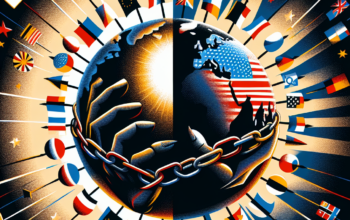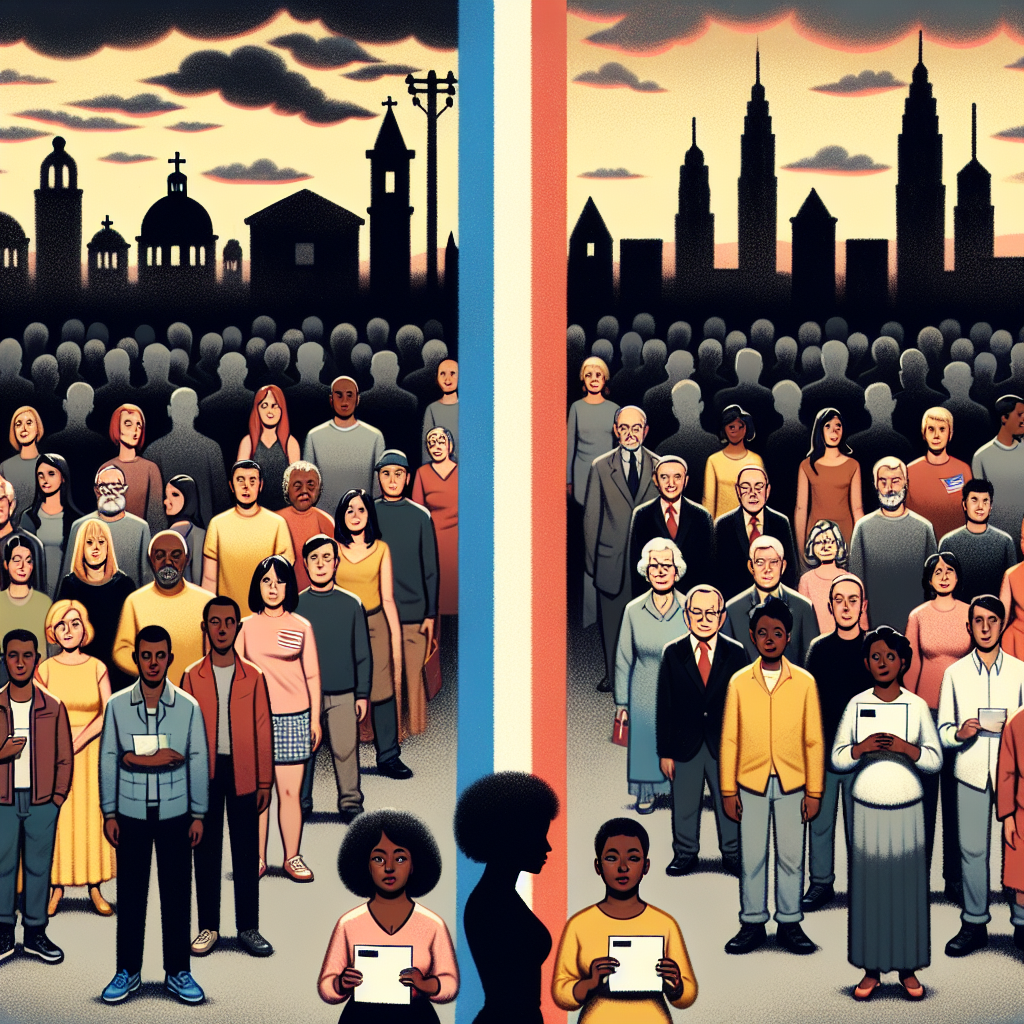
Understanding Voter Behavior in a Polarized Society has become a critical area of study as political divisions grow deeper, especially in recent years. The dynamics of how voters make decisions are shaped by a myriad of factors including ideology, media influence, and social identity. As election seasons approach, comprehending these influences takes on new significance. For political analysts, campaign strategists, and voters alike, understanding these trends can aid in navigating the complexities of modern politics, fostering engagement and improving the electoral process.
The Role of Ideology in Voter Behavior
Ideology plays a fundamental role in shaping voter behavior, especially in a polarized society. In 2025, the landscape of political ideology has shifted with the rise of identity-driven politics. Voters increasingly identify not just with political parties but with broader ideological movements, such as environmentalism, social justice, and nationalism. This shift has amplified the polarization across the electorate, making it essential for candidates to align closely with specific ideological stances to mobilize support. For instance, candidates championing Green New Deal policies have found substantial backing from younger, progressive voters who prioritize climate action above all.
However, ideological alignment comes with consequences. As voters become more entrenched in their beliefs, they are increasingly less likely to engage with opposing viewpoints. This has created an echo chamber effect where individuals only consume information that conforms to their existing beliefs. In 2025, the segmentation of media, including social media platforms where personalized content reigns, has only intensified this fragmentation. Thus, understanding voter behavior requires not just analyzing political ideology, but also recognizing the limitations that come with strong ideological commitment.
Media Influence on Voter Decision-Making
The media landscape in 2025 is vastly different from previous years, with a proliferation of digital channels influencing voter behavior significantly. Social media platforms have created a double-edged sword: while they empower grassroots movements and provide platforms for marginalized voices, they also facilitate the spread of misinformation and extreme partisanship. In the heat of an election cycle, candidates have recognized the potential of these platforms to sway public opinion, often tailoring messages to resonate within specific ideological groups. This focus on targeted messaging highlights the power of narrative in shaping perceptions and mobilizing voter turnout.
Moreover, media consumption habits have evolved dramatically. Voters today tend to favor sources that confirm their biases, which significantly influences their perceptions of candidates. In 2025, trust in traditional media outlets has waned, with many choosing alternative news sources that align with their worldviews. This trend complicates the landscape for electoral campaigns, as candidates must navigate not only a fragmented media environment but also the ethical challenges posed by the spread of misinformation. Understanding the role of media in voter behavior thus requires an analysis of both the consumption patterns of voters and the strategic responses of candidates.
The Impact of Social Identity on Voting Patterns
The interplay between social identity and voter behavior has emerged as a crucial aspect of understanding electoral dynamics in a polarized society. Factors such as race, gender, sexual orientation, and socio-economic status increasingly inform how individuals perceive political issues and candidates. For instance, in 2025, we’ve seen demographic shifts that strongly influence voting patterns—minority voters are mobilizing in unprecedented ways, advocating for policies that reflect their unique experiences and challenges. This growing awareness among marginalized communities has shifted the conversation around key issues, making it imperative for politicians to be attuned to these perspectives.
Additionally, social identity politics have led to the formation of coalitions that transcend traditional party lines. Cross-ethnic alliances focused on intersectional issues like economic equity and climate justice are pioneering new paths for political engagement. As a result, understanding voter behavior requires a nuanced assessment of how collective identities influence not only individual perspectives but also the broader political climate. This complexity is underscored by the need for candidates to address the concerns of diverse constituencies actively, fostering an inclusive narrative that resonates across various social identities.
Polarization and its Effects on Electoral Engagement
Polarization significantly affects patterns of electoral engagement, with both positive and negative implications. On one hand, heightened division tends to increase political participation, as individuals feel a heightened sense of urgency to advocate for their beliefs. In 2025, voter turnout among younger generations has surged, driven by grassroots movements emphasizing the importance of voting rights and climate action. This surge can be attributed, in part, to an electorate that views the stakes as increasingly high in polarized climates, pushing them to engage more deeply in the political process.
On the other hand, the same polarization creates a scenario where disengagement can also flourish. For some voters, the toxic nature of contemporary politics has fostered apathy or disillusionment, leading them to abstain from voting altogether. Discussions around electoral reform, such as ranked-choice voting or automatic voter registration, have gained traction in response to these concerns. Addressing the barriers to participation and making the voting process more accessible will be critical in countering the negative effects of polarization. Hence, understanding voter behavior must take into account both the causes of engagement and the factors that contribute to political disengagement.
Strategies for Candidates in a Polarized Landscape
In 2025, candidates face the daunting challenge of appealing to an increasingly polarized electorate while also striving to find common ground. One effective strategy has been the emphasis on local issues, leveraging the power of community engagement to counter broader ideological divisions. By addressing constituents’ unique challenges—from healthcare to infrastructure—candidates can foster a connection that transcends polarized national narratives. This localized approach allows voters to form relationships with candidates based on shared experiences, rather than solely on party affiliation.
Moreover, transparency and authenticity are becoming paramount in the approach of modern candidates. In an era where misinformation reigns, voters are more discerning than ever, often seeking candidates who are forthright about their policies and willing to engage in dialogue. Building trust through open communication and accountability becomes crucial in a landscape riddled with skepticism. By presenting a clear vision and maintaining consistent messaging, candidates can cut through the noise and captivate an electorate eager for genuine representation.
Finally, deploying coalition-building as a tactical maneuver can prove to be an effective strategy for candidates navigating polarization. By forming alliances with various groups—based on shared interests and values—candidates can broaden their appeal and harness diverse support. This collaborative approach mirrors societal movements that have successfully united disparate groups to advocate for common goals. Ultimately, understanding voter behavior within this fragmented environment highlights the importance of adaptive strategies that resonate with constituents on both ideological and emotional levels.
Conclusion
In summary, understanding voter behavior in a polarized society is crucial for navigating the complexities of modern elections. The interplay of ideology, media influence, social identity, and engagement strategies illuminates the multiple dimensions of voter decision-making. Candidates who recognize and adapt to these dynamics stand a better chance of mobilizing support and fostering informed electoral participation. As we move forward in a deeply divided political landscape, the insights gleaned from analyzing voter behavior will be essential, not only for winning elections but also for strengthening democratic processes.
FAQs
What are the main factors influencing voter behavior in a polarized society?
The main factors include ideology, social identity, media influence, and individual experiences that shape perceptions of candidates and political issues.
How does social media affect voter engagement?
Social media creates both opportunities and challenges for voter engagement by facilitating communication while also contributing to the spread of misinformation and echo chambers.
Are younger voters more engaged in polarized elections?
Yes, younger voters tend to display heightened engagement in polarized elections, often motivated by issues such as climate change and social justice, leading to increased turnout and activism.
What strategies can candidates use to appeal to polarized electorates?
Candidates can focus on local issues, maintain transparency and authenticity, and build coalitions to reach diverse segments of the electorate effectively.
How can political campaigns combat misinformation?
Political campaigns can combat misinformation by providing clear, factual communication, encouraging media literacy, and actively engaging with voters through transparent dialogue.