Youth Engagement in UK Politics: Bridging the Generational Divide
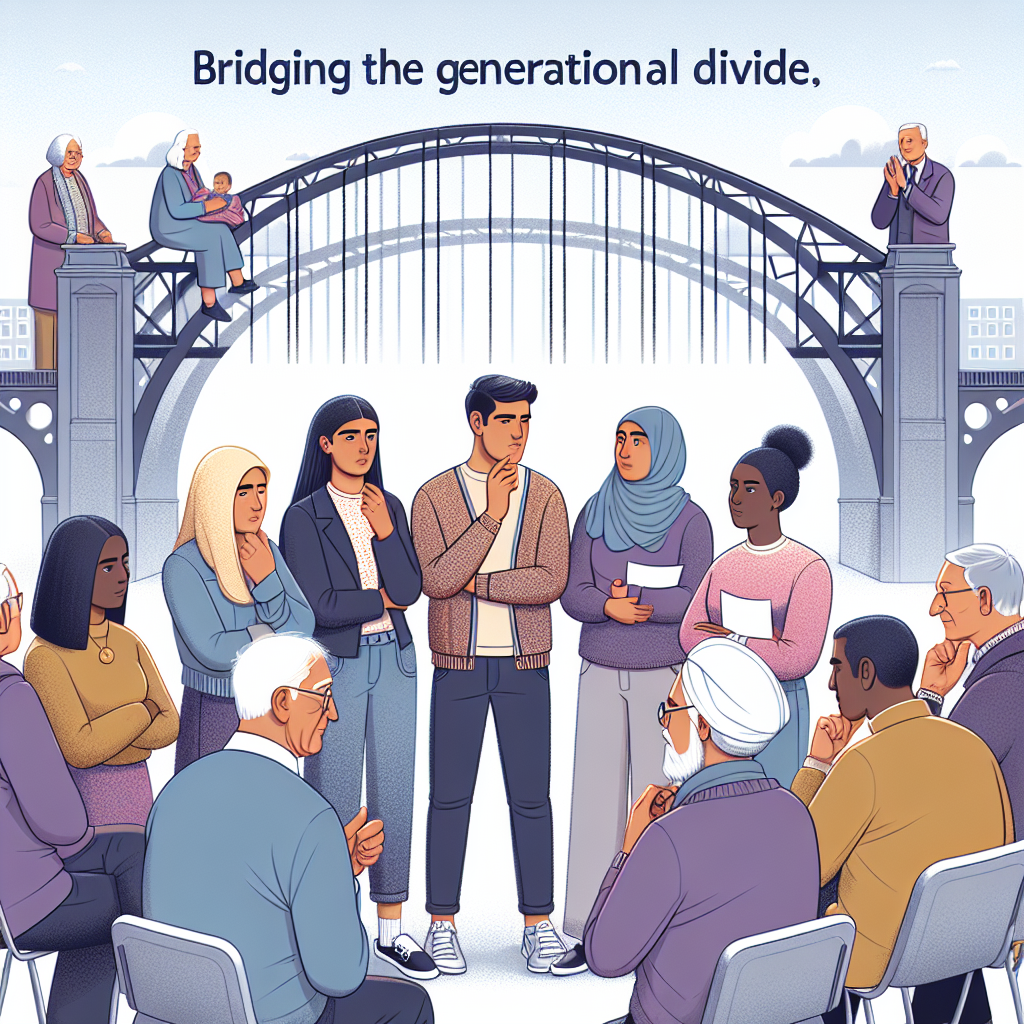
Youth Engagement in UK Politics: Bridging the Generational Divide
In 2025, the political landscape in the UK has seen transformative changes that have prompted increased interest and involvement from the younger population. The role of youth engagement in UK politics has never been more significant, serving as a bridge between generations and paving the way for a more inclusive democratic process. As young people increasingly recognize their potential to influence political discourse and decision-making, understanding how to effectively engage them becomes crucial. This article delves into the dynamics of youth engagement, exploring strategies, challenges, and the critical role the younger generation plays in shaping UK politics for the future.
The Importance of Youth Engagement in UK Politics
Youth engagement acts as a catalyst for change within the political sphere in the UK. In recent years, young people have demonstrated their capacity to mobilize and advocate for political issues that resonate with their values, such as climate change, social justice, and equality. Organizations like UK Youth Parliament and various grassroots movements have laid the groundwork for an engaged youth demographic that refuses to be sidelined. The 2024 General Election saw a record turnout among voters aged 18 to 24, illustrating a growing awareness among the youth of political power’s potential.
Furthermore, as the UK continues to face multifaceted challenges—ranging from economic recovery post-Brexit to addressing climate change—the importance of youth perspectives becomes increasingly pertinent. Engaging young voices in policy discussions ensures that the decisions made today account for their future. This integration fosters not only a sense of responsibility among young people but also encourages politicians to consider diverse viewpoints, ultimately enriching the democratic process.
Challenges to Youth Engagement in Politics
While the surge in youth engagement is encouraging, several challenges hinder consistent participation. One significant barrier is the perception that politics is unresponsive or disconnected from young individuals’ concerns. Many young people feel that traditional political institutions do not represent their interests, leading to skepticism about the efficacy of their involvement. This disconnect is compounded by an overwhelming amount of information and an often frenetic news cycle that can create confusion or apathy, making it difficult for young people to navigate political issues.
Moreover, socioeconomic factors play a crucial role in shaping the political engagement of young people. Access to education and resources significantly influences one’s ability to participate fully in politics. For individuals from disadvantaged backgrounds, the barriers increase, further exacerbating the existing generational divide. Addressing these challenges necessitates targeted efforts from political institutions, media, and civil society groups to foster a more inclusive environment where all voices can be heard.
Innovative Approaches to Engage Young Voters
As the nature of communication continues to evolve, so too do the methods of engaging young voters. Leveraging technology and social media platforms has proven especially effective in reaching the youth demographic. Political campaigns and advocacy groups actively use platforms such as TikTok, Instagram, and YouTube to disseminate information, counter misinformation, and mobilize support for various causes. This digital engagement approach allows young people to connect with political content in a format they are comfortable with, breaking down traditional barriers to entry in political discourse.
Additionally, initiatives that promote civic education and critical thinking skills have gained traction. Schools and universities across the UK are beginning to incorporate political literacy programs into their curriculum, fostering a sense of political agency from an early age. For instance, programs that encourage debate, critical analysis of policies, and engagement with local representatives empower students to take collective action both within and outside the classroom. This direct involvement nurtures a more informed citizenry that is better equipped to engage meaningfully in political discussions and advocate for the issues they care about.
Youth-led organizations and movements play a pivotal role in this landscape as well. Groups such as the Student Climate Network and Black Lives Matter UK have helped mobilize youth participation around critical issues, demonstrating that collective action can lead to tangible changes within society. These grassroots initiatives effectively bridge the generational divide by bringing together diverse groups with a shared purpose, thus providing a platform for young voices to be heard.
The Role of Social Media in Political Mobilization
Social media has revolutionized the way political mobilization occurs in the UK. For young people, platforms like Twitter and Instagram are not just sources of entertainment but vital tools for advocacy and activism. In the wake of key political events and crises, young people have turned to these platforms to organize protests, share information, and promote social change, often with remarkable speed and effectiveness. Campaigns that go viral have the power to sway public opinion and influence political agendas, showcasing the unique dynamism of youth-led initiatives in the digital age.
Moreover, social media facilitates a participatory dialogue between politicians and constituents. Politicians and political parties have recognized the need to engage with younger constituents through these channels. In 2025, politicians often use social media to communicate directly with young voters, responding to their concerns in real-time and dispelling myths or misconceptions about policies. This increased transparency can help rebuild trust and engagement, essential for overcoming the generational divide.
Nevertheless, the digital landscape is not without its challenges. The prevalence of misinformation on social media can skew perceptions of political issues, leading to misunderstandings and cynicism among young people. It is imperative that political parties and organizations identify strategies to combat false information and provide accurate, clear communication to foster a well-informed electorate. By empowering young people to critically assess the information they consume, we can cultivate a more politically savvy generation.
Engaging Young People Beyond the Ballot Box
Political engagement extends beyond voting; it includes advocacy, community organizing, and participation in local governance. In 2025, many young people are stepping outside traditional political avenues to express their views and influence policy through alternative means. For instance, youth are increasingly participating in local councils, town hall meetings, and community activism, showcasing their commitment to local issues that impact their lives directly.
Engagement in these alternative formats provides an opportunity for young individuals to articulate their needs and aspirations while also developing essential leadership skills. Initiatives such as youth advisory councils allow young people to work closely with local government and organizations, ensuring that their voices influence decisions impacting their communities. This kind of participatory model not only empowers youth but also fosters intergenerational collaboration, as older generations provide mentorship and support in navigating the political landscape.
Furthermore, the rise of youth organizations focusing on specific issues—like the environment, mental health, and education reform—has sparked dialogues that transcend party lines. Through coalitions and alliances, young activists are bringing attention to pressing societal challenges, making it clear that their engagement is not merely about politics for politics’ sake but a genuine desire to create a better, more equitable society. As these movements continue to grow, they promise to reshape the future of politics in the UK, highlighting the reality that the voices of the youth cannot and should not be ignored.
Conclusion
Youth engagement in UK politics in 2025 signifies a pivotal shift towards inclusivity and diversity in the democratic process. As young people embrace their influence, they actively seek to bridge the generational divide, ensuring their voices and concerns are integral to national discourse. While challenges remain—such as perceptions of political unresponsiveness and access disparities—the potential of innovative approaches and grassroots movements to mobilize young voters is palpable. By leveraging technology, promoting civic education, and encouraging participation beyond the ballot box, the UK can foster a politically active youth known for driving meaningful change. As we look toward the future, it is clear that understanding and supporting youth engagement is essential for a resilient and thriving democracy.
FAQs
What is the significance of youth engagement in UK politics?
Youth engagement is vital as it introduces new perspectives, fosters inclusivity, and ensures that policies reflect the interests of all generations, particularly in addressing contemporary issues.
How can young people participate in politics beyond voting?
Young people can engage in politics through advocacy, community organization, participation in local governance, and involvement in youth-led initiatives that promote specific causes.
What role does social media play in engaging young voters?
Social media serves as a powerful platform for political mobilization, allowing direct communication between politicians and constituents, and facilitating grassroots organizing and the dissemination of information among young voters.
What challenges do young people face in political engagement?
Young people face several challenges, including perceptions of political disconnect, socioeconomic barriers, and the prevalence of misinformation on social media, which can hinder meaningful participation.
How are educational initiatives improving youth political engagement?
Educational initiatives that focus on civic education and critical thinking skills equip young individuals with the knowledge and confidence needed to engage in political discussions and advocacy efforts effectively.