The Role of Social Media in Shaping Political Discourse in the UK
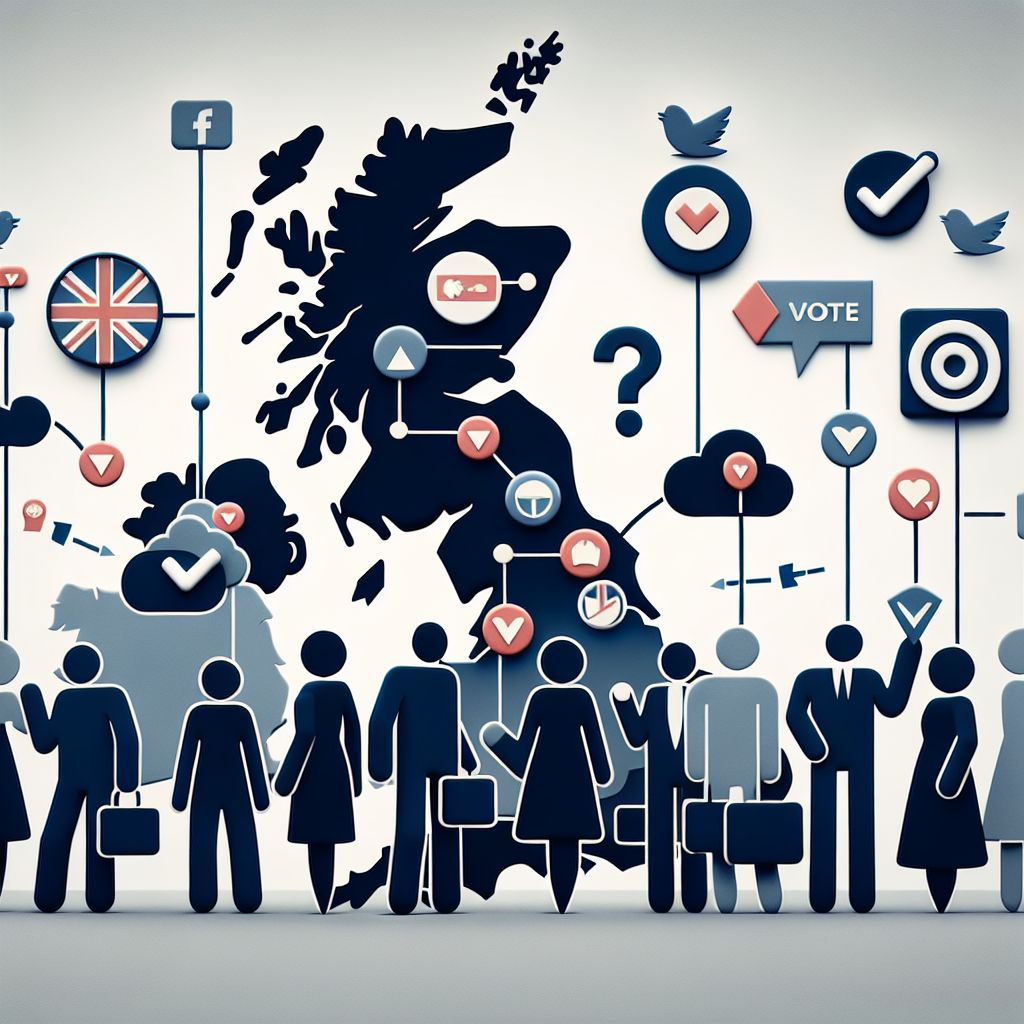
The evolution of social media has significantly altered how political discourse unfolds in the United Kingdom. In an era where instantaneous communication can shape public opinion, the role of digital platforms has become paramount in shaping political narratives, influencing voter behavior, and promoting civic engagement. As we navigate 2025, understanding this evolution is critical for both politicians and citizens alike, as it highlights the intricate relationship between technology and democratic processes.
The Evolution of Political Discourse in the UK
In recent years, the political landscape of the United Kingdom has been dramatically influenced by technological advancements. Political communication has transitioned from traditional platforms such as print media and televised broadcasts to digital ecosystems dominated by social media. This shift has transformed how politicians engage with the electorate. Platforms like Twitter, Facebook, and Instagram have become formidable tools for reaching audiences instantaneously, allowing politicians to craft personalized messages that resonate with their constituents. The accessibility and user-generated nature of these platforms mean that traditional gatekeepers of information—journalists and political commentators—are no longer the only voices in the public discourse.
The rise of social media has democratized political engagement, enabling individuals from various backgrounds to voice their opinions and mobilize support for causes. This trend was prominently visible during the recent political events leading up to the 2025 General Election, where social media played a critical role in organizing grassroots movements and shaping voter sentiment. The ability of ordinary citizens to participate in political discussions has created a more vibrant and sometimes contentious public sphere, making it necessary for political parties to adapt their strategies in engaging with voters.
Impact of Social Media on Voter Behavior
In 2025, research indicates that social media has become a linchpin in influencing voter behavior across demographics. A significant portion of the electorate now relies on digital platforms for political information, campaign updates, and candidate interactions. This reliance has resulted in a shift in how parties structure their campaign strategies, often prioritizing digital outreach over traditional canvassing methods. Data analytics and targeted advertising on social media enable campaigns to reach specific voter segments with tailored messages, thus enhancing engagement opportunities.
The impact of social media on voter behavior extends beyond mere information dissemination. Online platforms foster an environment where opinion leaders can emerge, influencing the views of their followers. This is particularly evident among younger voters who prefer engaging with social media influencers rather than traditional political figures. As a result, campaigns increasingly collaborate with influencers to amplify their message and reach a broader audience, thereby redefining what constitutes political authority and credibility in the modern UK context.
The Role of Misinformation and Disinformation
In the digital age of 2025, misinformation and disinformation pose significant challenges to political discourse in the UK. The rapid spread of inaccurate information on social media can distort public perception, create polarization, and lead to misguided beliefs about political issues and candidates. During critical moments, such as elections or referenda, false narratives can gain traction, undermining democratic processes. For instance, the proliferation of deepfake technology and manipulated content has escalated the ease with which misleading information can be produced and shared.
To combat misinformation, the UK government and various organizations have initiated measures aimed at promoting digital literacy and enhancing the ability of citizens to discern credible sources. Fact-checking initiatives have gained momentum, aiming to curb the spread of false information and restore public trust. Additionally, social media platforms have implemented policies to label or remove misleading content, although the effectiveness and consistency of these measures continue to be debated. As voters navigate this complex landscape, the responsibility lies with both individuals and platforms to foster a more informed electorate.
Civic Engagement and Political Polarization
While social media has enhanced civic engagement by providing a platform for political discussions and community mobilization, it has also contributed to increased political polarization in the UK. The algorithms used by social media platforms often prioritize content that aligns with users’ existing beliefs, creating echo chambers that reinforce partisan divisions. As a result, political discourse can become less about mutual understanding and more about confrontation, leading to a fragmented public sphere that impedes constructive dialogue.
Nonetheless, some organizations and initiatives are working to bridge these divides. Campaigns aimed at fostering respectful discourse and promoting understanding across political lines have emerged, leveraging social media to facilitate conversations that challenge entrenched views. In 2025, efforts to create spaces for dialogue—such as online forums and participatory platforms—demonstrate the potential of social media not just as a battleground for political conflict but as a tool for consensus-building and community engagement.
The Future of Political Discourse in the UK
As we look towards the future, the role of social media in shaping political discourse in the UK is poised to evolve further. Emerging technologies such as augmented reality (AR) and virtual reality (VR) promise to redefine how political entities interact with voters. These tools have the potential to create immersive campaign experiences that engage constituents in ways previously unimagined. By creating scenarios that challenge voters to consider different perspectives on issues, campaigns can drive deeper engagement and understanding.
Moreover, emerging trends suggest that the future of political discourse on social media will involve a greater emphasis on accountability and transparency. As users become more aware of the mechanisms behind algorithmic content curation and targeted advertising, there will likely be a push for more ethical practices within the digital marketing realm. Political entities that prioritize authentic engagement over superficial tactics may find a more appreciative audience among the electorate.
Meanwhile, discussions surrounding data privacy and the ethical use of personal information for political campaigning will remain paramount. Citizens in the UK expect transparency in how their data is used, and firms that fail to address these concerns may face backlash, influencing the effectiveness of their outreach efforts. As a result, political discourse in the UK will increasingly be shaped not only by what is said but also by how it is said and the methods employed to reach audiences.
### Conclusion
In summary, social media has transformed the political discourse landscape in the UK, influencing voter behavior, fostering civic engagement, and presenting both challenges and opportunities. The era of instant information has allowed for the rapid dissemination of messages, but it has also led to the complexities of misinformation and polarization. As we look ahead to the future, the integration of advanced technologies and a focus on ethical practices will play crucial roles in shaping the trajectory of political communication in the UK. Navigating this evolving landscape will require vigilance, innovation, and a commitment to fostering a well-informed electorate.
### FAQs
How has social media influenced political communication in the UK?
Social media has transformed political communication by enabling instant interaction between politicians and voters, allowing for targeted messaging and fostering public engagement.
What role does misinformation play in political discourse?
Misinformation can distort public perception and undermine trust in electoral processes, making it a significant concern for political discourse, particularly during elections.
How can civic engagement be enhanced through social media?
Social media can enhance civic engagement by providing platforms for discussions, mobilizing grassroots movements, and facilitating interactions that promote a deeper understanding of political issues.
What are the ethical considerations in political campaigning on social media?
Ethical considerations include transparency in data usage, combating misinformation, and ensuring that targeted messaging does not exploit vulnerable populations.
What is the future of political discourse on social media in the UK?
The future may involve greater emphasis on accountability, advanced technologies like AR and VR for engagement, and a commitment to ethical practices in political communication.
By understanding the complexities and offerings of social media in shaping political discourse, citizens and policymakers can navigate this realm with both caution and optimism, contributing to the development of a more informed and engaged electorate.