Introduction
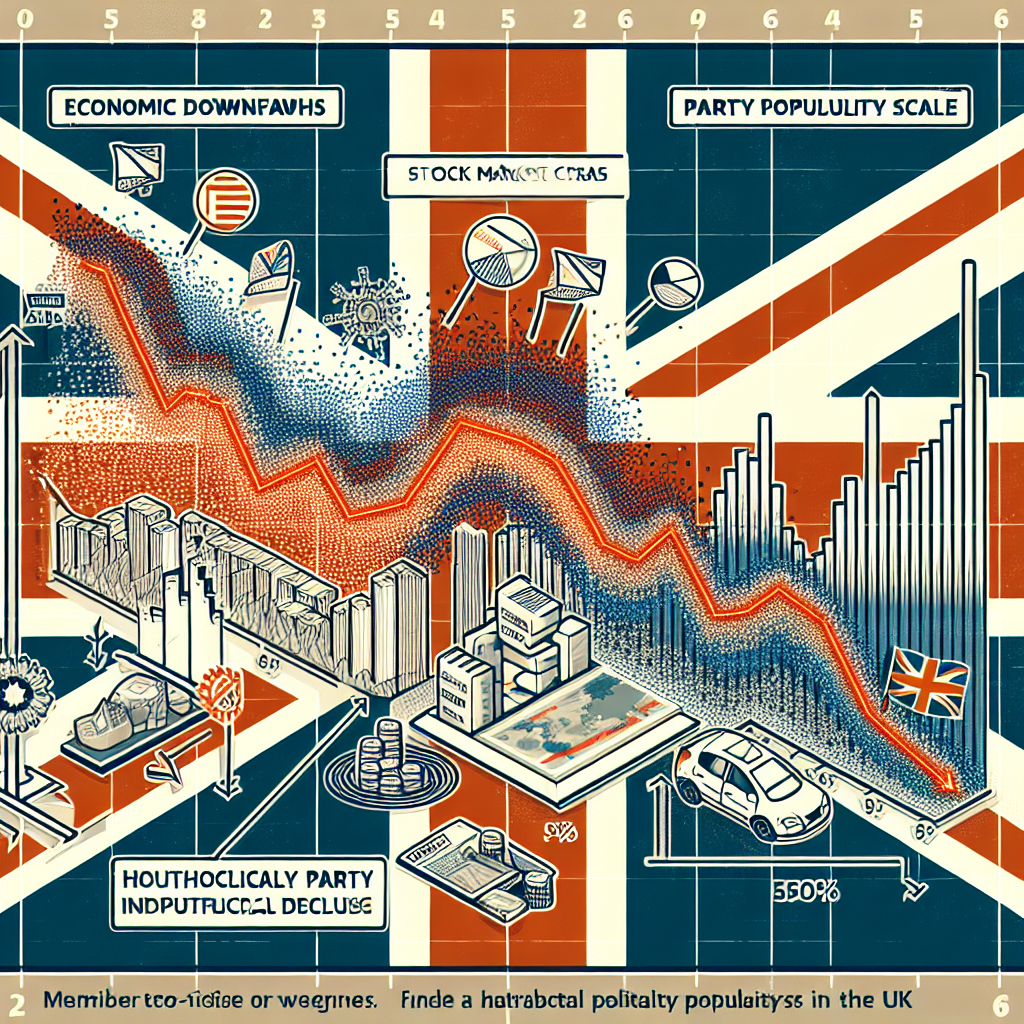
Economic crises have a profound impact on political landscapes, influencing voter behavior, party popularity, and overall governance. In the UK, the effects of economic downturns on party popularity can be significant, reshaping public opinion and altering the dynamics of elections. As we enter 2025, understanding how economic crises affect political parties has never been more crucial. From the financial troubles during the late 2000s to the challenges posed by the COVID-19 pandemic, examining these historical trends can provide invaluable insights into how economic crises shape party popularity in the UK.
The Historical Context of Economic Crises and Political Change
Understanding the effect of economic crises on party popularity in the UK necessitates an exploration of historical precedents. Over the decades, Britain has faced several economic downturns, and the responses from political parties have been pivotal in shaping voter sentiment. For instance, during the late 1970s, the Labour government struggled with rampant inflation, high unemployment, and economic stagnation. These factors led to disillusionment with the Labour Party, which ultimately facilitated the rise of Margaret Thatcher and the Conservative Party in 1979. The historical interplay between economic performance and party popularity highlights how voters often turn to alternative parties when current leadership fails to manage crises effectively.
Fast forward to the global financial crisis of 2007-2008, another momentous period that saw significant shifts in party allegiance. The economic fallout led to a loss of faith in the Labour government, which was perceived as complicit in the financial mismanagement that precipitated the crisis. The Conservatives capitalized on this, portraying themselves as the responsible stewards who could stabilize the economy. This illustrates a recurring theme in UK politics: economic crises frequently serve as catalysts for political change, compelling voters to seek alternatives when their needs are not met.
Recent Economic Challenges and Political Reactions
As we assess the climate of 2025, the lingering effects of the COVID-19 pandemic, along with the economic challenges that followed, are noteworthy. The pandemic caused widespread economic disruption, resulting in elevated levels of unemployment, decreasing GDP, and notorious inflation spikes. The Labour Party, under new leadership, struggled to present a coherent narrative that resonated with voters concerned about economic recovery. Instead, the Conservative government held on to a degree of popularity, aided by a robust vaccination rollout and various support measures that aimed to mitigate the pandemic’s financial damage.
However, the effectiveness of government responses to economic crises is complex. The fiscal policies implemented during the pandemic, such as furlough schemes and economic stimulus packages, temporarily bolstered the Conservative Party’s standing. Yet, as economic recovery became uneven, public sentiment began to shift again, leading to frustrated calls for more accountability. The tide of public opinion often turns quickly, relying on grassroots economic realities rather than political rhetoric. Therefore, the political landscape remains volatile, particularly in regions that have been hit hardest by job losses or business closures.
The Role of Social Media in Shaping Political Sentiment
In the evolving political landscape of 2025, social media plays an ever-increasing role in shaping public perception. Platforms like Twitter, Facebook, and TikTok have become essential tools for both parties to communicate their messages and engage directly with constituents. During recent economic crises, social media has enabled rapid dissemination of information, providing parties with the ability to respond instantaneously to public sentiment. Consequently, party popularity can fluctuate swiftly based on online narratives, which are frequently influenced by economic data and personal experiences shared across platforms.
Furthermore, social media offers a space for grassroots movements to gain traction, especially during economic turmoil. As traditional media outlets often struggle to keep up with the fast-paced news cycle, smaller parties or independent candidates can utilize social media to reach voters disillusioned by the mainstream parties. For instance, in local elections following the pandemic, candidates focused on community-driven solutions gained popularity via grassroots campaigns on social media, accentuating the disconnect that may arise within established party structures.
However, the downside to this rapid communication is the risk of misinformation, which can exacerbate economic fears or misrepresent party policies. The challenge for political parties in times of crisis becomes not just to promote their initiatives but also to combat misinformation that threatens to undermine public trust. As a result, understanding the dual-edged role of social media is crucial for evaluating its overall impact on party popularity in dynamic economic conditions.
Voter Sentiment and Economic Indicators
The nexus between economic crises and party popularity can also be evaluated through the lens of public sentiment in relation to key economic indicators. Voter confidence often oscillates in accordance with economic data, including inflation rates, unemployment figures, and GDP growth. For instance, in the latter half of 2023, as inflation soared and real wages stagnated, many voters began expressing concern about the financial leadership of the Conservative government. Poor economic indicators not only updated the electorate’s priorities but also transformed party messaging, prompting a re-evaluation of strategies from both major parties.
Moreover, localized economic conditions can influence national trends in party loyalty. Regions disproportionately affected by manufacturing decline or service sector disruptions often exhibit a different pattern of voting compared to urban areas that may be more insulated from the worst effects of economic crises. The 2025 elections illustrated this phenomenon, revealing how Labour capitalized on dissatisfaction in economically distressed areas, while the Conservatives maintained stronger support in economically prosperous metropolitan regions. This complex geographic divide underscores how economic circumstances can evoke varied responses from diverse voter demographics, complicating the overall picture of party popularity.
In addition, the way political parties address these economic challenges matters significantly. Proactive communication and a transparent approach to discussing economic recovery can enhance a party’s popularity, even in challenging times. The public tends to reward governments that offer clear plans and evoke a sense of optimism. Therefore, the effectiveness of a party’s economic messaging can significantly influence its electoral strength amidst crises.
The Future of Party Popularity in the UK Amidst Economic Challenges
Looking ahead into a post-crisis landscape, political analysts predict a continually evolving relationship between economic health and party popularity in the UK. The lessons drawn from the effects of previous crises suggest that political parties must remain flexible in their strategies and forecasts. With the national discourse increasingly focusing on economic resilience, parties that can successfully adapt their platforms to meet evolving public concerns will have a significant edge.
In the case of the Conservatives, retaining public confidence will largely depend on their ability to navigate ongoing economic challenges and maintain a strong recovery narrative. As inflation concerns linger and global uncertainties affect domestic markets, the party’s handling of these issues will be crucial in maintaining its popularity. On the other hand, Labour has the opportunity to harness grassroots support and articulate a compelling vision centered around equitable economic recovery, potentially reviving their position as a viable alternative to the current government.
Moreover, emerging issues — such as climate change, social justice, and technological transformation — risk further complicating the economic narrative. Political parties will need to broaden their agendas to reflect these interlinked concerns, lest they become disconnected from their constituents. The interplay between economic crises and party popularity will remain a multifaceted and ever-changing aspect of the UK political landscape.
Conclusion
In conclusion, the effect of economic crises on party popularity in the UK is a complex interplay of historical trends, recent challenges, social media influence, and the responses of political parties to economic indicators. As history has shown, economic downturns can catalyze significant shifts in political allegiance, often favoring opposition parties when current governments fail to address the needs of their constituents. The current climate of 2025 represents a unique chapter in this ongoing narrative, with the lessons learned from prior crises serving as critical indicators for future electoral success. Political parties that can effectively engage with the economic realities faced by the electorate while maintaining transparency and adaptability will likely thrive even amidst adversity.
FAQs
How do economic crises historically affect party popularity in the UK?
Economic crises often lead to a reevaluation of trust in governing parties, prompting voters to seek alternatives when dissatisfaction with current leadership emerges. Historical shifts, such as the rise of Cherishing Conservative power during the late 1970s and post-2008 financial crisis, illustrate this trend.
What role does social media play in shaping political sentiment during economic crises?
Social media significantly impacts political sentiment by acting as a platform for rapid communication and grassroots campaigning. It allows parties to engage directly with voters and shapes narratives around economic conditions.
How do economic indicators influence voter behavior?
Economic indicators like inflation and unemployment directly affect public sentiment, guiding voter priorities and preferences. Positive indicators may boost confidence in governing parties, while negative indicators often lead to calls for change.
What challenges do political parties face in communicating their economic strategies?
Political parties face the challenge of combating misinformation while crafting clear, relatable communication around economic strategies. Ensuring that their economic messaging aligns with real-world concerns is critical to winning public trust.
What are the prospects for party popularity in the future amid ongoing economic challenges?
Political parties that adapt to evolving economic realities, engage with public concern, and present transparent strategies for recovery are likely to build stronger bases of support in the face of ongoing economic challenges.