Introduction
Election results serve as a mirror reflecting the political dynamics of a nation, revealing historical trends and patterns that often influence future electoral outcomes. In 2025, as nations around the world conduct crucial elections, the analysis of historical voting behavior, shifts in voter demographics, and the impact of social and economic factors remains vital. Understanding these trends is not just relevant for political analysts but also for everyday citizens who want to grasp the underpinnings of their democratic systems. In this article, we delve into the intricacies of election results, exploring the significant historical trends and patterns that shape them.
Understanding Historical Election Results
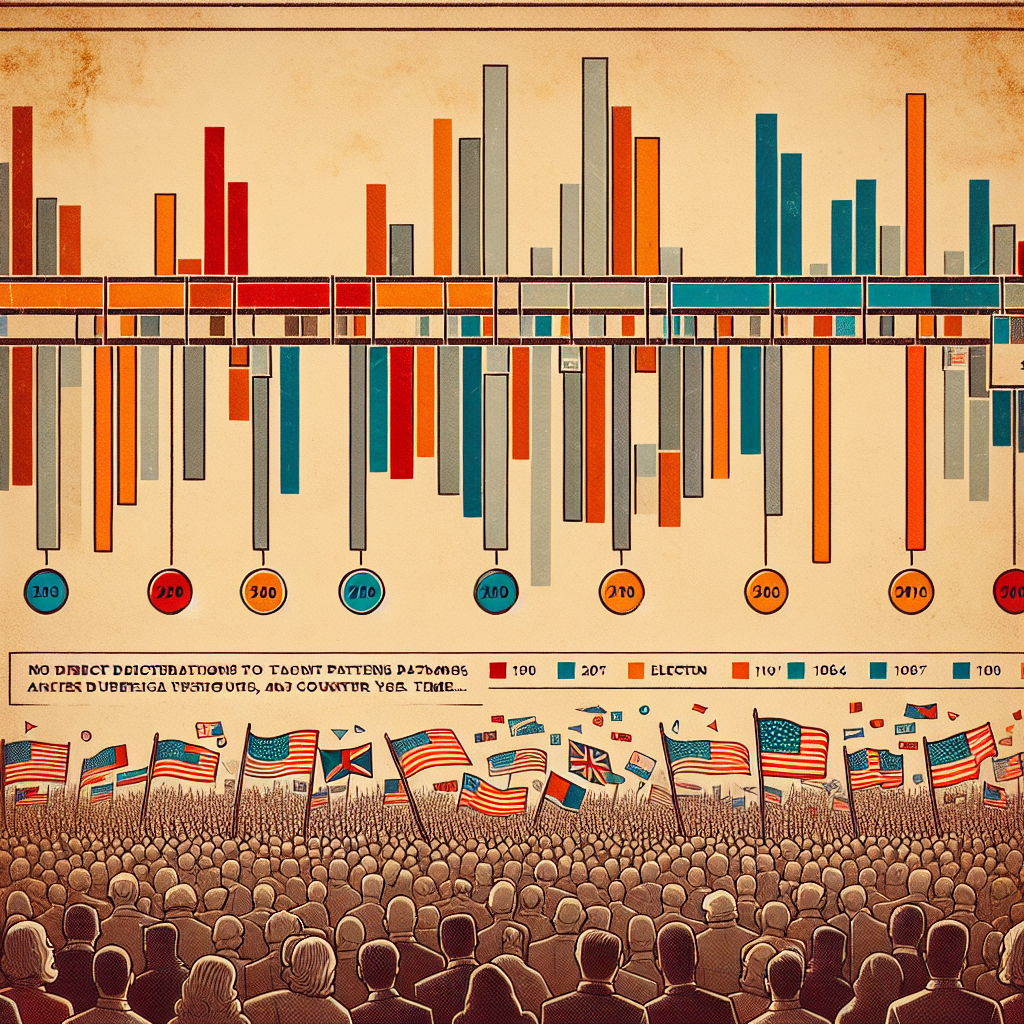
The analysis of historical election results provides invaluable insights into how political landscapes change over time. Historical data allows political scientists and analysts to identify long-term trends in voter behavior and party affiliations. For example, the ability to dissect results from past elections reveals how demographic shifts, such as aging populations or increasing diversity, swayed electoral outcomes. The 2024 elections offered a stark reminder of this, where suburban areas that were once solidly Republican showed stronger support for Democratic candidates, signifying a substantial shift prompted by changing demographics and urban migration patterns.
Furthermore, historical election results enable researchers to draw parallels between past and current elections. For instance, many analysts noted similarities between the 2024 elections and those of 2000 and 2016, where highly polarized political environments resulted in unexpected outcomes. Trends such as voter apathy, increased polarization, and the influence of social media campaigns have become crucial factors influencing the electoral landscape. Each election serves as a data point that connects to a larger narrative, allowing observers to predict potential future patterns based on previous voting behaviors.
Key Demographic Changes Over Time
Demographics play a pivotal role in understanding election results. Over the past few decades, shifts in age, race, and gender representation among voters have significantly influenced election outcomes. As of 2025, younger voters, particularly those aged 18-29, are increasingly participating in elections, motivated by issues such as climate change, social justice, and economic equality. This generational shift has implications for political parties, compelling them to adapt their platforms to resonate with these emerging voters who prioritize progressive policies.
Moreover, racial and ethnic diversification is reshaping the political landscape. In the 2024 elections, surprisingly high turnout rates among minority groups highlighted their growing influence on electoral results, demonstrating that campaigns targeting these demographics can yield increased voter participation. The rise of Latinx and Asian American voters, who tend to lean Democratic, is indicative of how changing population dynamics can lead to shifts in traditional party strongholds. These changes have not only affected voter turnout but have also prompted political strategists to rethink their outreach efforts and messaging strategies, making an understanding of demographic trends crucial for future electoral successes.
The Influence of Social Media on Election Trends
The rise of social media has transformed the way campaigns are run and how voters process information. In the lead-up to the 2024 elections, platforms like Twitter, Facebook, and Instagram were instrumental in shaping public opinion and facilitating grassroots movements. The immediacy of social media allows candidates to communicate directly with the electorate, bypassing traditional media filters and creating more personalized narratives. This shift has also resulted in the phenomenon of “echo chambers,” where individuals engage with content that reinforces their beliefs, leading to further polarization.
Additionally, social media has played a crucial role in mobilizing voters, especially younger demographics who may not engage with conventional forms of political outreach. Turnout campaigns leveraging social media proved to be highly effective in 2024, demonstrating how digital strategies can drive electoral participation. For instance, organizations employing targeted ads and influencer partnerships saw significant increases in voter registrations and turnout among young voters. This trend underscores the importance of understanding digital communication and its impact on election results as we move into 2025 and beyond.
Impact of Economic Factors on Election Outcomes
The economy is one of the most significant indicators of electoral success. Economic performance, including unemployment rates, inflation, and overall growth, directly influences voters’ choices. As of 2025, economies around the world are still rebounding from the challenges posed by the COVID-19 pandemic, and economic concerns remain a top priority for many voters. In the 2024 elections, candidates who were able to address economic recovery tactics and demonstrate a clear plan for growth gained favorability among segments of the electorate experiencing financial uncertainty.
Moreover, issues such as income inequality and housing affordability have emerged as critical voting issues. Candidates who address these economic disparities are more likely to resonate with voters who feel left behind in a recovering economy. For instance, proposals advocating for increased minimum wages or affordable housing solutions can significantly impact a candidate’s appeal among working-class voters. Thus, recognizing the intricate connection between economic conditions and election results is essential as politicians strategize for upcoming elections in a recovering global economy.
Trends in Voter Engagement and Turnout
Voter engagement is another critical factor determining the outcomes of elections. Recent trends indicate that efforts to increase voter participation, such as early voting initiatives and mail-in ballots, have become increasingly popular. In the 2024 elections, many states extended voting accessibility to encourage greater turnout, particularly among marginalized communities. These measures reflect a broader push towards making voting more accessible, recognizing that systemic barriers can disenfranchise certain voter demographics.
Additionally, civic movements advocating for voting rights have gained momentum, mobilizing citizens to participate actively in the democratic process. As 2025 unfolds, this trend of heightened engagement is likely to continue, with grassroots organizations leading the charge to ensure that every eligible voter is heard. The importance of voter mobilization cannot be overstated, as higher turnout rates often favor candidates who are attuned to the issues faced by everyday citizens. Understanding how engagement trends play out in election results will remain a vital area of focus for those analyzing future electoral landscapes.
Conclusion
In summary, election results offer more than just numbers; they provide a comprehensive view of a nation’s evolving political, economic, and social fabric. By examining historical trends and patterns, we gain insight into how changing demographics, the influence of social media, economic factors, and voter engagement efforts shape electoral outcomes. As we move into 2025 and beyond, understanding these dynamics will be essential for political analysts, campaign strategists, and voters alike, as the landscape continues to shift in response to emerging issues.
FAQs
What are the historical trends in voter turnout over the decades?
Voter turnout has generally seen fluctuations, often influenced by major societal events, economic conditions, and legislative changes regarding voting rights. Historically, turnout can spike during pivotal elections or drop when voters feel disenfranchised or disillusioned.
How has technology affected election results?
Technology, especially social media, has dramatically changed electoral communication, allowing for targeted advertising and grassroots mobilization efforts. This has led to increased voter engagement, especially among younger demographics, reshaping election outcomes.
What role do economic conditions play in influencing voters?
Economic conditions, including unemployment rates and inflation, greatly influence voter decisions. When voters experience economic hardship, they tend to support candidates who address those issues and propose viable solutions for recovery and growth.