Democracy in the Digital Age: Opportunities and Risks

Introduction
In the ever-evolving landscape of the 21st century, democracy has taken on new dimensions, influenced significantly by the digital age. As we progress through 2025, the integration of technology in political processes presents both remarkable opportunities and daunting risks. Democracies worldwide are grappling with how to harness the potential of digital tools to empower citizens while mitigating threats such as misinformation, digital surveillance, and cyber interference. This article delves into the multifaceted relationship between democracy and technology, exploring the opportunities and risks that come with this intersection.
Technological Advancements and Democratic Engagement
Technological advancements have transformed the way citizens engage in democratic processes. In early 2025, social media platforms, mobile applications, and online forums have become vital tools for political campaigns and civic engagement. They have democratized information distribution, allowing citizens to access a wealth of data about candidates, policies, and electoral processes. This technological accessibility ensures that individuals from diverse backgrounds can voice their opinions and mobilize around shared causes, enhancing participatory democracy.
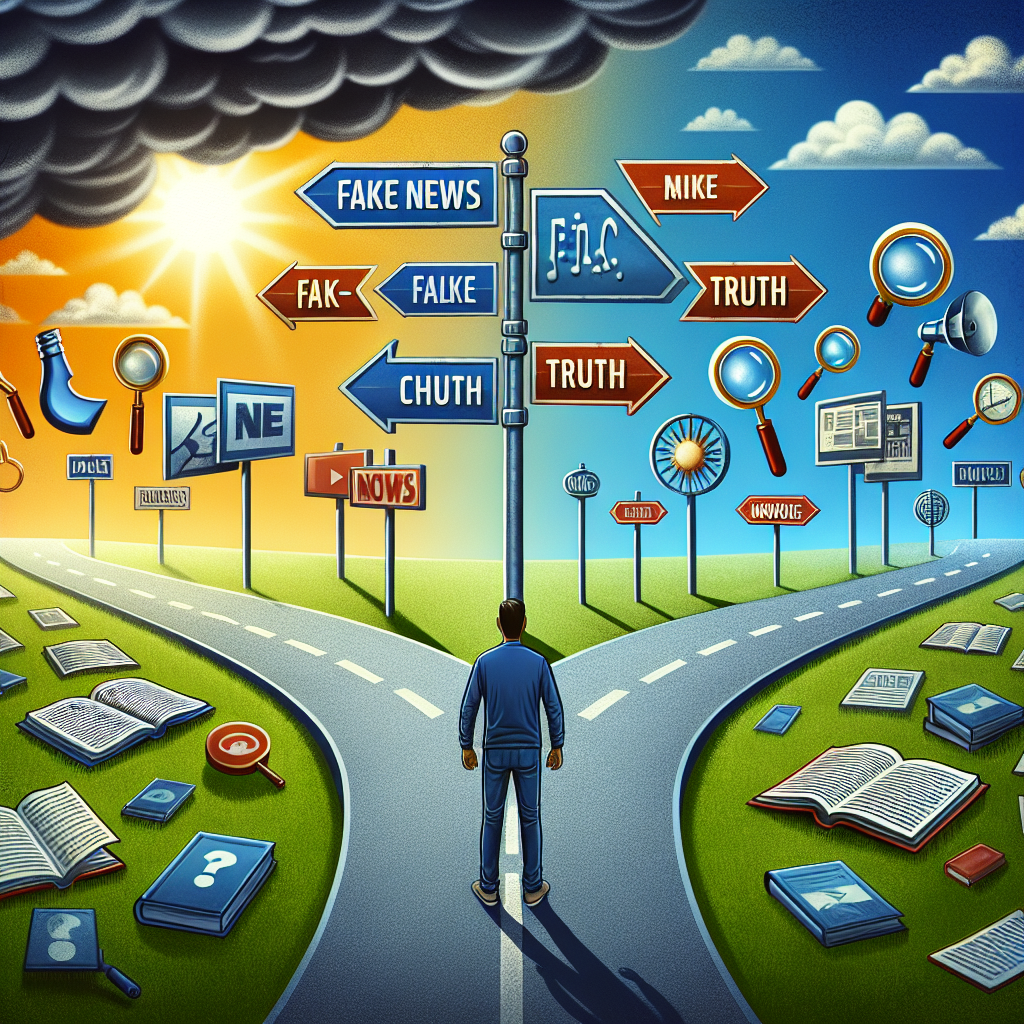
However, the same technology that promotes engagement also encounters challenges. The rise of algorithm-driven content curation can lead to echo chambers, where individuals are exposed primarily to information that aligns with their pre-existing beliefs. Misinformation can spread rapidly, undermining confidence in democratic institutions and practices. For democracies to thrive in the digital age, it is essential to ensure that citizens possess not only access to information but also the critical skills necessary to evaluate its credibility.
Digital Campaigning and Voter Mobilization
Digital campaigning has revolutionized how political candidates reach and persuade voters. By 2025, data analytics and sophisticated targeting techniques enable campaigns to tailor messages to specific demographics, increasing voter mobilization efforts. Political advertising on social media, paired with grassroots initiatives through digital platforms, often engages younger voters who are more active online. This shift towards digital engagement can lead to higher voter turnout and a more engaged electorate, contributing to healthier democratic practices.
Nevertheless, targeted advertising also raises ethical concerns about privacy and consent. The collection of vast amounts of personal data allows campaigns to micro-target voters, potentially exploiting their fears and anxieties for political gain. This targeting relies on opaque algorithms, which begs the question: how do we ensure transparency and accountability in political advertising without infringing on individual privacy? Establishing regulatory frameworks that safeguard personal data while fostering innovation in political communication is paramount for the integrity of democracies in the digital age.
The Role of Social Media in Shaping Public Opinion
Social media plays a pivotal role in shaping public opinion and political discourse in 2025. Platforms like Facebook, Twitter, and emerging networks have become stages for political debates, activism, and grassroots movements. They provide a space for individuals to discuss issues, organize protests, and mobilize communities around social and political changes. The immediacy of social media allows for rapid response to political events, enabling citizens to hold their leaders accountable in real-time.
However, the influence of social media also presents significant risks. The virality of misinformation can overshadow factual reporting, leading to public confusion and polarization. Moreover, the spread of hate speech and extremist ideologies can incite violence and undermine the democratic fabric of societies. As governments and platforms wrestle with the balance between free speech and harmful content, it becomes increasingly important to develop and implement guidelines that protect democratic values while maintaining open dialogue.
In addition, the use of bots and fake accounts creates a distorted sense of public sentiment. These automated tools can amplify divisive messages and create an illusion of consensus that may not exist in the real world. To counter this, democracies must invest in media literacy programs that educate citizens about the nuances of online information. Taking proactive steps to combat misinformation and enhance critical thinking will be essential for fostering a healthy democratic environment.
Cybersecurity Challenges in Modern Democracies
In 2025, cybersecurity threats pose a significant challenge to the integrity of democratic institutions. The vulnerability of electoral systems to cyberattacks has become a focal point for governments worldwide. High-profile incidents, such as the hacking of electoral databases or foreign interference in national elections, have raised alarms regarding the security of democratic processes. Ensuring robust cybersecurity measures is critical for maintaining public trust in the electoral process.
Moreover, the specter of surveillance looms large in the digital age. Government agencies and private corporations often monitor online activities, raising concerns about privacy rights and civil liberties. In some instances, oppressive regimes may exploit digital surveillance to stifle dissent and maintain control. It is imperative for democracies to establish legal frameworks that protect citizens’ rights while effectively combating threats to national security. Balancing security and civil liberties is a delicate act that, if done correctly, can lead to a more resilient democracy.
As political landscapes shift and adapt to the digital age, international cooperation in cybersecurity will be vital. Countries must work together to share best practices, intelligence, and resources to combat cyber threats and safeguard democratic values collectively. Strengthening global alliances and agreements focused on cybersecurity can help create more secure environments for political discourse and decision-making.
The Future of Democracy in an Increasingly Digital World
As we look to the future of democracy in 2025 and beyond, the challenge lies in harnessing technological advancements while remaining vigilant against their potential risks. The evolution of artificial intelligence, blockchain technology, and decentralized networks holds promise for creating more transparent, efficient democratic processes. For instance, blockchain technology can provide secure and tamper-proof voting systems, enhancing voter trust and engagement.
However, to fully realize these opportunities, a concerted effort is needed from governments, civic organizations, and technology creators. Collaborative dialogues among stakeholders are essential to develop ethical guidelines for technology use in democracy. It is also crucial to involve underrepresented communities in shaping these conversations to ensure that digital democracy is inclusive and equitable.
Ultimately, the future of democracy in the digital age hinges on empowering citizens to actively participate in decision-making. Unfortunately, barriers still exist that inhibit many individuals’ engagement, such as digital literacy gaps and socioeconomic disparities. Bridging these gaps through education and community outreach will be essential for fostering a vibrant democratic culture that thrives in the age of technology.
Conclusion
Democracy in the digital age presents a complex array of opportunities and risks. From enhancing civic engagement through technological tools to navigating the challenges of misinformation and cybersecurity, the landscape of democracy is rapidly evolving. As we look ahead to 2025 and beyond, it remains crucial for societies to harness the power of technology responsibly while prioritizing the principles of transparency, accountability, and inclusivity. To build resilient democracies, stakeholders must work collaboratively to address the inherent challenges posed by the digital realm, ensuring that democracy thrives amid the changes and innovations of our time.
FAQs
How has technology improved democratic engagement?
Technology has improved democratic engagement by providing citizens with access to a wealth of information and platforms that facilitate political discourse. Social media, mobile applications, and online forums allow individuals to connect, mobilize, and participate in democratic processes effectively.
What are the risks associated with social media in a democratic context?
The risks associated with social media include the spread of misinformation, the creation of echo chambers, and the potential for hate speech and extremist ideologies. These factors can polarize public opinion and undermine trust in democratic institutions.
How can governments protect democracy from cybersecurity threats?
Governments can protect democracy from cybersecurity threats by implementing robust cybersecurity measures, investing in secure electoral systems, and fostering international collaborations to combat cyberattacks. Establishing legal frameworks that safeguard citizen privacy while addressing security concerns is also crucial.