The Intersection of Economic Inequality and Democratic Participation
Introduction
As we navigate through 2025, the complex relationship between economic inequality and democratic participation remains a pivotal issue in global politics. The intersection of economic inequality and democratic participation poses significant challenges to the integrity of democratic systems, impacting voter turnout, civic engagement, and the effective representation of diverse communities. Understanding this intersection is essential for fostering a more inclusive democracy where every voice is heard, irrespective of economic status. This article seeks to delve into this intricate relationship, exploring how economic disparity affects democratic engagement and what can be done to address these concerning trends.
Understanding Economic Inequality in the 21st Century
Economic inequality has reached unprecedented levels in recent years, exacerbated by events such as the COVID-19 pandemic and the ongoing repercussions of climate change. The wealth gap has widened not only within countries but also between them, as the richest individuals and corporations consolidate power and resources. According to recent studies, the top 1% of earners now hold more wealth than the bottom 50% combined. This staggering statistic underscores how economic disparities hinder equitable access to essential services such as education, healthcare, and housing, thereby limiting opportunities for broader civic participation.
Moreover, economic inequality is not merely a numerical disparity but manifests as systemic barriers that disenfranchise marginalized communities. These barriers include limited access to quality education and high-paying jobs, which prevent individuals from engaging fully in democratic processes. In 2025, communities grappling with unemployment and poverty find it increasingly difficult to participate in elections, local governance, and civic activities. This disenfranchisement has serious implications for the health of democracies, as it leads to voter apathy and a lack of trust in public institutions.
The Impact of Economic Disparities on Voter Participation
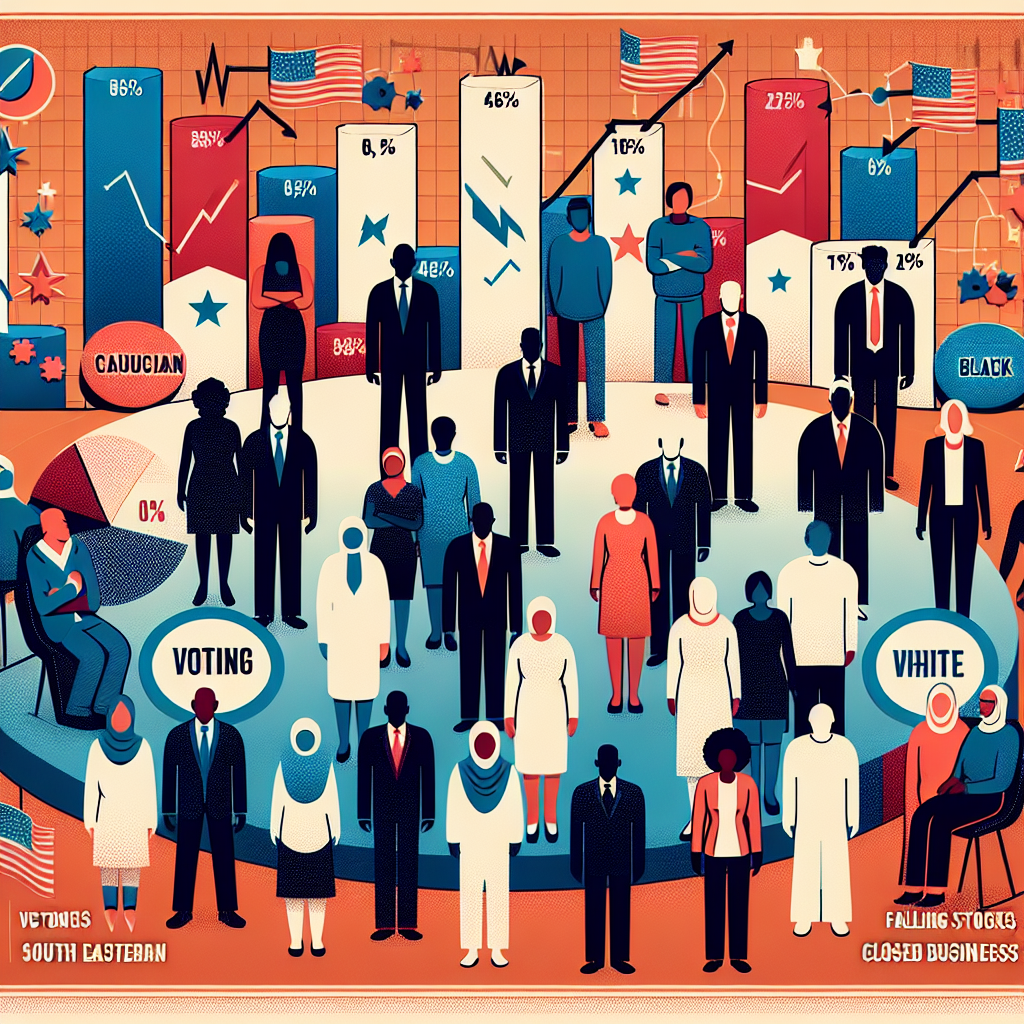
The correlation between economic inequality and voter participation is well-documented. Research indicates that individuals from lower economic backgrounds are less likely to vote compared to their wealthier counterparts. In 2025, this trend remains stark, with lower-income citizens struggling to navigate the complexities of the electoral process due to factors such as transportation barriers, insufficient time off work, and a lack of information about candidates and issues. These obstacles contribute significantly to the disenfranchisement of lower-income voters, further entrenching cycles of poverty and inequality.
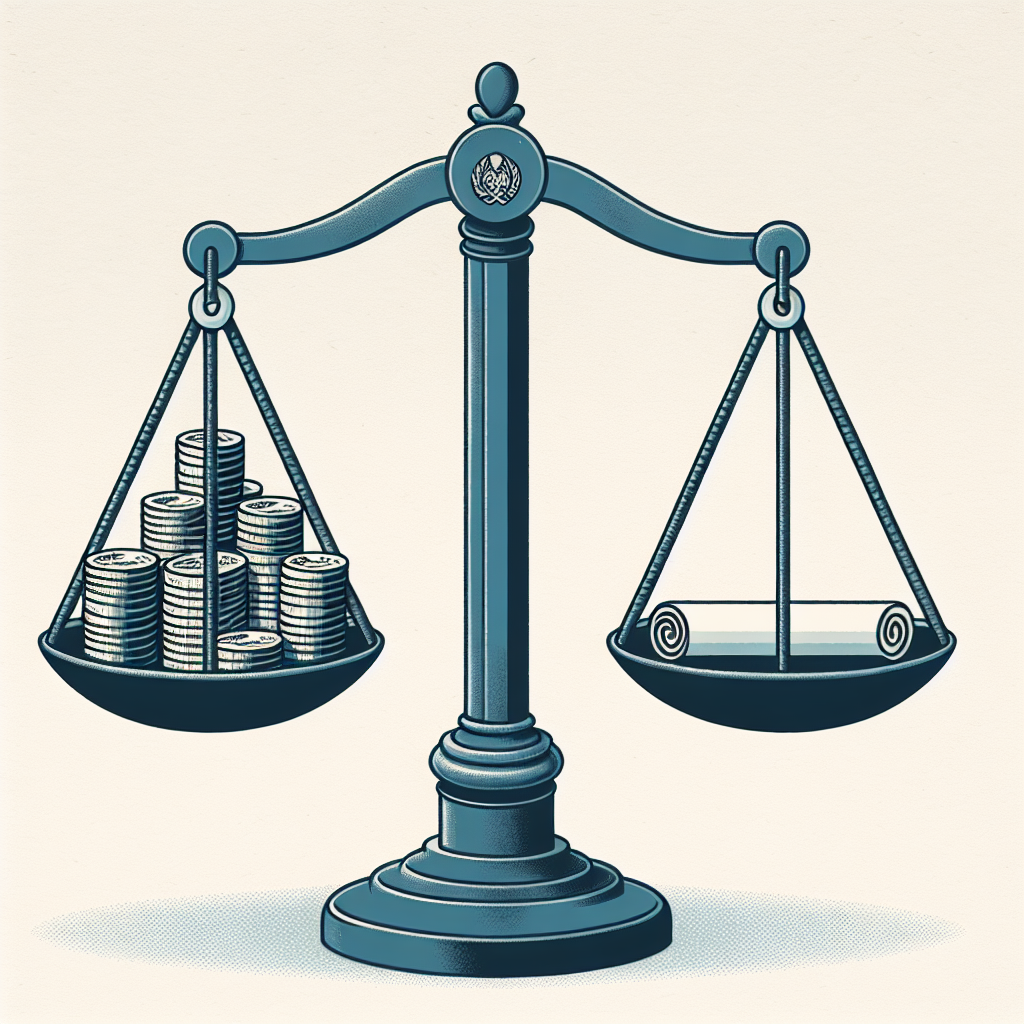
Compounding this issue is the role of money in politics. As electoral campaigns grow increasingly costly, candidates often prioritize fundraising from wealthy donors, leading to a political system that does not adequately represent the interests of economically disadvantaged populations. The result is a governance structure skewed towards the preferences of the affluent, leaving the voices of the underprivileged marginalized. Consequently, low voter turnout is not merely a reflection of apathy but a function of systemic inequality that discourages meaningful engagement in the democratic process.
Social Movements and Advocacy in the Face of Inequality
In 2025, various social movements have emerged as powerful catalysts for change, challenging the status quo and advocating for the rights of economically disenfranchised individuals. Movements such as “Fight for $15” and grassroots organizations focused on economic justice have gained traction, galvanizing communities to demand equitable policies that promote social and economic inclusion. These movements emphasize the importance of addressing economic inequality as a precursor to meaningful democratic participation, arguing that without equitable access to resources, achieving true representation is impossible.
Furthermore, social media and digital platforms have played a transformative role in mobilizing grassroots movements. In an era where information spreads rapidly, activists harness these platforms to amplify their messages and engage a broader audience. Through online campaigns and community organizing, these movements are not only raising awareness about economic inequality but are also fostering a renewed sense of civic responsibility among younger generations. The growing involvement of youth in activism is promising, signaling a shift towards collective advocacy for inclusive policies that challenge systemic barriers to democratic participation.
In addition to grassroots movements, policy proposals aimed at addressing economic inequalities have gained significant attention. Discussions surrounding Universal Basic Income (UBI), wealth redistribution, and expanded access to education and healthcare reflect a growing recognition of the need for comprehensive reform. Advocates argue that systemic changes are essential to ensure that all citizens can engage meaningfully in democracy, thereby reviving public trust and participation.
The Role of Education in Enhancing Democratic Participation
Education is fundamental in bridging the gap between economic inequality and democratic participation. In 2025, disparities in educational access and quality remain a critical barrier to civic engagement. Lower-income communities often face underfunded schools, resulting in diminished educational outcomes that leave individuals ill-equipped to navigate the political landscape. This lack of education perpetuates a cycle of disengagement, as uninformed citizens are less likely to recognize their rights and responsibilities within a democratic society.
To counter these challenges, educational initiatives that promote civic responsibility and awareness are vital. Programs aimed at enhancing civic education in schools can empower students with the knowledge required to engage with political processes meaningfully. Teaching students about the importance of voting, understanding government structures, and advocating for their interests lays the groundwork for a more engaged citizenry in the future. Enhancing educational opportunities in underserved areas is crucial to equipping future generations with the tools necessary for robust participation in democracy.
Moreover, lifelong learning programs and community engagement initiatives that focus on educating adults about their civic rights can also play a significant role in addressing the disparities exacerbated by economic inequality. By facilitating access to information and resources, these programs help individuals gain confidence in their ability to participate in governance actively. Expanding access to civic education builds a foundation for a democratic culture where every citizen feels empowered to voice their opinion and advocate for their rights, thus fostering a more representative governmental structure.
Potential Solutions to Bridging the Gap Between Inequality and Participation
Addressing the intersection of economic inequality and democratic participation demands a multipronged approach involving policymakers, activists, and community leaders. One effective solution is the implementation of policies aimed at leveling the economic playing field. This includes measures such as progressive taxation, living wages, and increased investment in social infrastructure. By redistributing wealth and increasing access to essential services, these policies can help ensure that all citizens, regardless of their economic status, have the means to engage in democratic processes.
In addition to economic policies, reforms that enhance voter accessibility are essential for promoting participation among disenfranchised groups. Initiatives like automatic voter registration, the expansion of voting hours, and the availability of remote voting options can significantly increase turnout among lower-income individuals. Creating a voting environment that accommodates the diverse needs of all citizens can bridge the gap between economic inequality and civic engagement, fostering a more representative democracy.
Lastly, fostering a culture of civic engagement through community-oriented initiatives is critical for long-term change. Encouraging local organizations to host forums and discussions on pressing political issues can engage citizens in meaningful dialogue, promoting awareness and understanding of the democratic process. By creating spaces for open conversation and collaboration, these initiatives enable marginalized communities to voice their concerns and actively advocate for policies that reflect their needs.
Conclusion
As we approach the latter part of 2025, the intersection of economic inequality and democratic participation remains a critical social issue that demands urgent attention. Economic disparities hinder civic engagement, disenfranchising lower-income individuals and perpetuating cycles of inequality. However, movements advocating for change, along with educational initiatives and policy reforms, present a path forward to address these challenges.
By prioritizing equity in economic policies, enhancing access to education, and fostering community engagement, we can work towards a more inclusive democracy where every voice is recognized and valued. As we look ahead, it is crucial for all stakeholders—policymakers, citizens, and activists alike—to actively participate in shaping a future that champions equality and democratic integrity.
FAQs
1. How does economic inequality affect voter turnout?
Economic inequality creates barriers that hinder low-income individuals from voting, such as lack of access to transportation, flexible work hours, and information about candidates. This leads to lower turnout rates among disadvantaged communities.
2. What role do social movements play in addressing economic inequality?
Social movements raise awareness about economic inequalities and advocate for policy changes to address systemic barriers. They empower communities to demand equitable representation and foster civic engagement through grassroots activism.
3. How can education improve democratic participation?
Education equips individuals with knowledge about their civic rights and responsibilities, enhancing their ability to engage in the political process. Promoting civic education in schools and communities fosters an informed citizenry ready to participate in democracy.
4. What policies can help reduce economic disparities?
Policies such as progressive taxation, living wage laws, and increased investment in social services are effective measures to tackle economic inequality and promote equitable access to resources necessary for democratic participation.
5. Why is community engagement important for democracy?
Community engagement fosters open dialogue and collaboration, allowing marginalized voices to be heard. It encourages active participation in democratic processes and ensures that diverse perspectives shape governance and policy decisions.