The Ethics of Political Debates: Transparency and Accountability
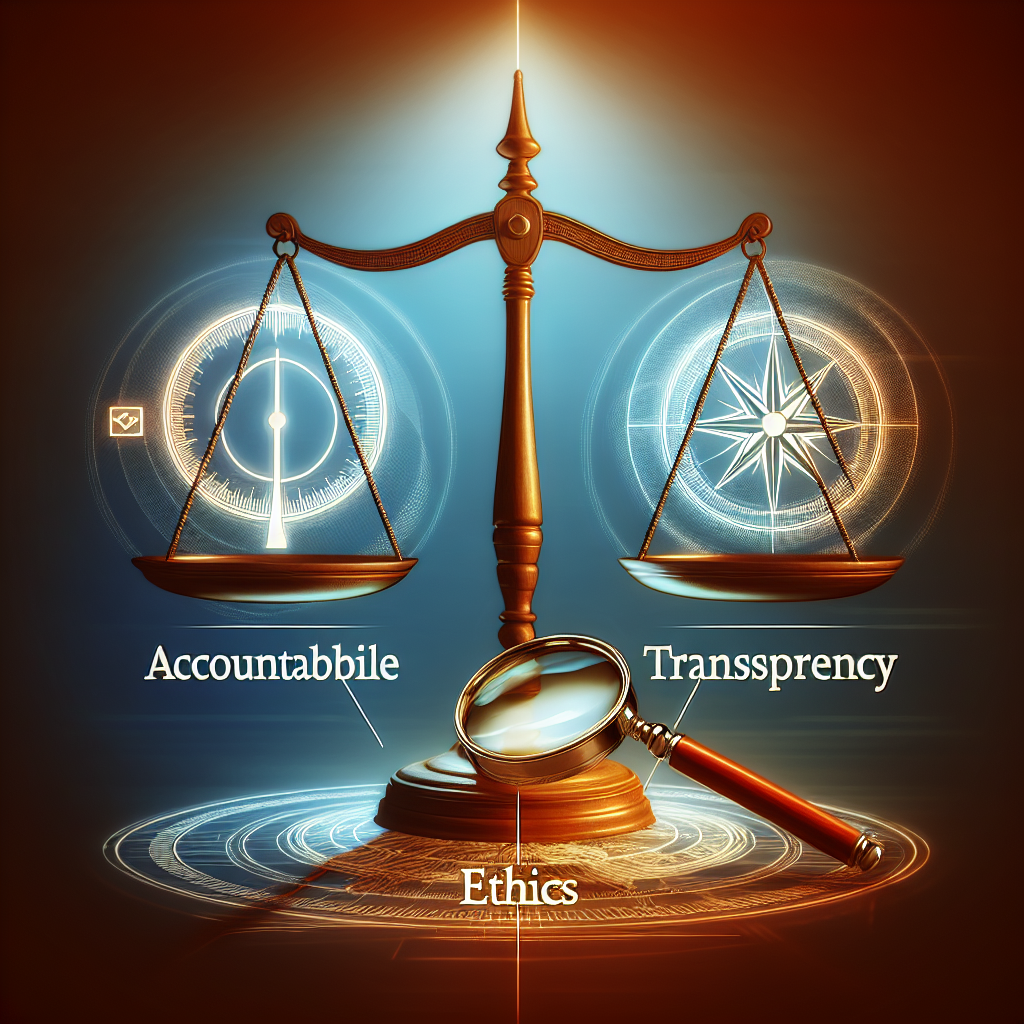
The Ethics of Political Debates: Transparency and Accountability
In the modern political landscape, debates function as pivotal platforms for candidates to communicate their visions, policies, and values to the electorate. As we venture into 2025, the ethics of political debates have taken center stage, particularly regarding the critical themes of transparency and accountability. These concepts serve as the bedrock of democratic discourse, ensuring that the information disseminated during debates is accurate, fair, and accessible to the public. With rising concerns about misinformation, the role of social media, and the public’s trust in political candidates, understanding the ethics surrounding political debates has never been more crucial.
The Importance of Transparency in Political Debates
Transparency in political debates is fundamental for fostering an informed electorate. As voters make decisions based on the information they receive, it becomes imperative that this information is reliable and presented without manipulation. In 2025, the dialogue surrounding transparency has been amplified by the prevalence of digital media, where misinformation can spread rapidly. Candidates are now expected to provide clear, factual contexts for their positions and claims. When political figures show transparency regarding their sources and the frameworks behind their arguments, they contribute to an environment of trust and honesty, which is vital for the functioning of democracy.
Moreover, transparency extends to the debate format itself, including rules, moderator impartiality, and candidate behavior. It is important that all participants agree on the guidelines beforehand, and that moderators adhere to these guidelines impartially to promote a fair debate. When voters perceive that a debate is rigged or biased, it undermines their confidence in the democratic process. The political climate in 2025 is marked by increasing scrutiny of such practices, as audiences demand more ethical standards in debates. Candidates who prioritize transparency not only bolster their credibility but also engage effectively with an audience increasingly wary of biased narratives.
The Role of Fact-Checking: Keeping Political Candidates Accountable
In the backdrop of heightened misinformation, fact-checking has emerged as a critical tool for maintaining accountability in political debates. The role of nonpartisan fact-checking organizations has expanded significantly, providing real-time analysis of candidates’ claims during debates and speeches. In 2025, voters appreciate and rely on these independent analyses, which serve as a mechanism to hold politicians accountable for the accuracy of their statements. Instead of relying solely on the candidates’ word, the presence of fact-checkers allows the public to make informed decisions based on verified information.
Furthermore, the incorporation of fact-checking into the debate format reflects a commitment to ethical standards. Candidates who are aware that their statements will be monitored encourage a culture of honesty. This dynamic can discourage the politicization of falsehoods and misrepresentations, ultimately leading to a more constructive electoral process. Audiences today are savvier and more skeptical; thus, they welcome transparency through accountability measures that can clarify misconceptions and provide context for complex issues. As we move through 2025, the intersection of fact-checking and modern debates stands as a testament to the commitment to ethical discourse in politics.
The Impact of Social Media on Political Debate Ethics
The advent of social media has radically transformed the landscape of political debate, necessitating a new consideration of transparency and accountability. Platforms like Twitter, Facebook, and Instagram have enabled candidates to communicate directly with voters, often bypassing traditional media channels. However, this immediacy comes with the risk of unverified information spreading rapidly, which can skew the narrative of political debates. In 2025, as social media continues to play a significant role in elections, the ethics of candidates’ online presence and discourse are under scrutiny. Politicians must engage responsibly, ensuring that their online statements reflect the same standards of transparency expected in formal debate settings.
Moreover, social media platforms themselves face pressure to establish stringent policies that promote transparency and reduce misinformation. Initiatives such as labeling false information, promoting credible news sources, and providing context for politically charged posts are becoming standard practice. As a result, candidates are now compelled to be more mindful of their online activities, as their social media behavior can enhance or damage their reputations. In this interconnected digital age, a comprehensive approach to transparency incorporates not just what is said during debates, but also how that information circulates across various platforms.
Finally, the role of social media influencers and opinion leaders cannot be ignored in this context. Influencers have amassed vast followings, giving them substantial power to sway public opinion. As such, their ethical responsibility in disseminating accurate information has grown. The intersection between politics and social media necessitates that candidates are accountable for the information they both share and allow to proliferate across these platforms, emphasizing the need for ethical standards in all forms of political communication.
The Ethical Responsibilities of Moderators in Political Debates
The role of moderators in political debates is critical, as they are responsible for ensuring that discussions remain balanced, productive, and grounded in factual information. In 2025, expectations for moderators have evolved, with a greater emphasis on neutrality and fairness. Ethical moderators are tasked with managing time efficiently, ensuring that all candidates have equal opportunities to speak while maintaining a respectful environment. Any bias or mismanagement can distort the outcome of the debate and may provoke public distrust in the electoral process.
Moreover, moderators are accountable for the quality of the questions asked. Ethical responsibilities dictate that they ask probing yet impartial questions that facilitate deeper discussions about policies rather than personal attacks. A strong moderator not only engages with candidates but also educates the audience, providing context where necessary. The ability to challenge candidates on misleading statements without appearing adversarial is a delicate balance that ethical moderators strive to achieve. As audiences become more critical of disparities in media coverage and debate moderation, the scrutiny of moderators’ performance has intensified, underscoring their crucial role in navigation through the complexities of political discourse.
Additionally, the selection process for moderators is increasingly being questioned, calling for transparency in how moderators are appointed. In many cases, moderators are chosen from journalistic backgrounds or nonpartisan organizations, which adds credibility to their role. The ethical implications of these choices are vast, as biased or poorly chosen moderators can compromise the integrity of the debates. As the political landscape evolves, so too must the guidelines and expectations surrounding moderator responsibilities, ensuring that debates serve their intended function as a fair platform for political discussion.
<h2:Building a Culture of Ethical Political Engagement
As we navigate through the complexities of 2025, the need for a robust culture of ethical political engagement becomes increasingly clear. This starts at the grassroots level, where educating voters about their rights and responsibilities can empower them to demand transparency and accountability from political candidates. Initiatives aimed at fostering civic education can help the electorate discern between information and misinformation while emphasizing the importance of participating in the democratic process. This engagement lays the groundwork for a more informed public, ready to challenge inefficiencies and hold candidates accountable for their actions and statements.
Furthermore, promoting ethical guidelines for candidates can encourage more principled campaigning. Political parties and advocacy groups have a role to play in establishing standards that prioritize truthfulness and transparency in all forms of communication. By reinforcing the need for ethical conduct among candidates, these organizations can create a supportive framework that nurtures integrity and transparency. This cultural shift can help create a political environment in which dishonesty and deception are less tolerated, thereby elevating the quality of discourse not just within debates but also in broader political dialogue.
Finally, in a tech-driven era, cultivating a culture of ethical political engagement extends to digital spaces as well. Developing platforms that prioritize credible sources and fact-checked information can counteract the spread of misinformation and galvanize public interest in transparent political engagement. Voters can foster a proactive approach to information consumption, actively seeking reliable data and participating in discussions that uphold ethical standards. As the electorate grows more conscious of the ethical dimensions of political engagement, it paves the way for a healthier political system characterized by accountability and transparency.
Conclusion
The exploration of the ethics surrounding political debates—especially regarding transparency and accountability—highlights the pressing need for a more informed and discerning electorate. As we advance through 2025, the dynamics of political discourse are shaped by transparency in messaging, the critical role of fact-checking, the influence of social media, the responsibility of moderators, and the urgency of fostering a culture of ethical engagement. Upholding these principles not only fortifies democratic systems but also nurtures a more engaged, informed, and active citizenry. Ultimately, the commitment to ethics in political debates goes beyond individual candidates; it is a shared responsibility that encompasses voters, moderators, and the political landscape as a whole.
FAQs
What defines transparency in political debates?
Transparency in political debates refers to the clarity and openness with which candidates present their positions, sources, and the context behind their arguments. It also involves clear and fair debate rules and conduct.
How does fact-checking enhance accountability in debates?
Fact-checking provides voters with real-time verification of candidates’ claims during debates, increasing accountability by holding politicians responsible for the accuracy of their statements.
What ethical responsibilities do moderators hold during debates?
Moderators must ensure that debates are fair, balanced, and conducted respectfully, creating a platform where candidates can engage meaningfully without bias or misinformation influencing the discussion.
Why has social media become a focal point in political ethics?
Social media serves as a direct communication channel between candidates and voters, making it essential for candidates to engage ethically and avoid spreading misinformation in a rapidly evolving digital landscape.
How can voters cultivate a culture of ethical engagement in politics?
Voters can promote ethical engagement by staying informed, demanding transparency from candidates, participating in civic education initiatives, and challenging misinformation both online and offline.