The Challenges of Covering Authoritarian Regimes
The Challenges of Covering Authoritarian Regimes
Covering authoritarian regimes presents a unique and complex set of challenges for journalists and media outlets around the world. This issue has grown significantly in recent years as the landscape of global politics continues to shift, with more nations embracing authoritarianism. By 2025, the implications for press freedom, public safety, and information dissemination are troubling. Understanding these challenges not only sheds light on the dedication of journalists operating in oppressive environments but also highlights the vital importance of independent reporting in a functioning democracy.
Threats to Press Freedom
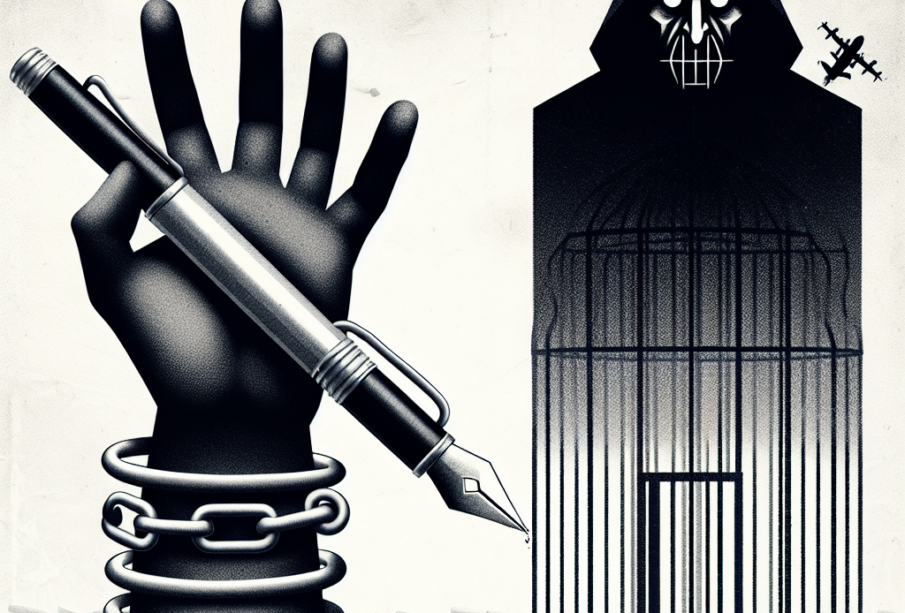
One of the primary challenges of covering authoritarian regimes is the pervasive threat to press freedom. Many governments impose stringent laws that limit journalists’ abilities to report objectively. Tactics often include censorship, intimidation, and even violence against reporters who dare to challenge the state narrative. For instance, in countries like Belarus and North Korea, journalists face arbitrary arrests and lengthy prison sentences for merely questioning the authority of their leaders. In 2025, the global increase in surveillance technologies has further enabled these regimes to monitor and harass journalists, instilling a pervasive atmosphere of fear that discourages independent reporting.
Moreover, the proliferation of misinformation complicates the landscape for journalists in authoritarian contexts. Governments often manipulate information to paint a positive image while suppressing dissenting voices. For example, social media platforms are frequently used by these regimes to spread fabricated narratives or discredit opposition. In this environment, journalists are not only tasked with uncovering the truth but also combating misinformation—an endeavor that requires substantial resources and time under the constant threat of backlash from authorities.
Safety and Security Risks for Journalists
The inherent risks that come with reporting in authoritarian regimes encompass not just professional obstacles but also significant physical dangers to journalists. The year 2025 has seen an alarming increase in targeted violence against reporters in countries with repressive governments. Incidents of abduction, physical assault, and even assassination are far too prevalent. In some cases, these threats originate from state-sponsored entities, while in others, they come from affiliated militias or hostile factions that feel empowered by the regime’s tacit approval.
Consequently, journalists must adopt extensive security protocols to ensure their safety. These measures might include varying their routines, employing digital security practices to protect their communications, and in some cases, relocating to safer environments. This constant state of alert can detract from their ability to focus on reporting, ultimately affecting the quality and timeliness of the information conveyed to the public. The risks are compounded for journalists who cover sensitive topics such as corruption, human rights violations, and state-sponsored repression, making their role crucial yet perilous.
Challenges of Information Gathering
Gathering accurate information in authoritarian environments is a formidable challenge, primarily due to the tight control governments maintain over public discourse. State-sponsored narratives often dominate the media landscape, creating an environment where alternative viewpoints are not just marginalized but actively suppressed. By 2025, the dynamics of traditional media have shifted dramatically, with independent journalism often forced to resort to clandestine methods to access credible sources. This includes the use of encrypted communications and establishing relationships with whistleblowers who risk severe repercussions for speaking out.
Furthermore, the digital landscape has changed the game for information gathering. While the internet serves as a valuable tool for outreach and activism, it also poses risks due to the potential for state surveillance and cyberattacks on journalists’ platforms. Investigative work requires navigating a delicate balance between rigorous reporting and safeguarding sources who may be vulnerable to retaliation. In many authoritarian regimes, even the slightest misstep can lead to severe consequences, making the pursuit of truth a dangerous and intricate undertaking.
The Role of International Organizations
The role of international organizations in supporting journalists covering authoritarian regimes is increasingly significant. As the situation for press freedom becomes more precarious, bodies like the Committee to Protect Journalists (CPJ) and Reporters Without Borders (RSF) have played an essential role in advocating for the rights and protection of journalists worldwide. They provide crucial resources, such as legal assistance, emergency funds, and strategic guidance, bolstering reporters’ efforts to navigate treacherous environments.
However, the impact of these organizations may be limited by the political climate of the host country. Authoritarian governments often ignore or resist international pressure, viewing interventions as an affront to their sovereignty. In such instances, solidarity among journalists and global civil society becomes crucial. Cross-border collaborations can lead to innovative solutions that amplify the voices of those working under oppressive conditions, utilizing technology and advocacy to spotlight issues that may have otherwise remained hidden.
Moreover, international media outlets increasingly offer valuable platforms for journalists operating in these contexts, hiring local correspondents who understand the landscape and can produce compelling narratives that resonate with a global audience. This strategy not only amplifies local voices but also enhances the legitimacy and reach of critical issues affecting populations within authoritarian regimes.
The Psychological Toll on Journalists
The relentless challenges of covering authoritarian regimes take a considerable psychological toll on journalists. The combination of constant danger, the weight of responsibility for sources, and the pervasive environment of fear can lead to chronic stress and a sense of isolation. Journalists may experience anxiety, depression, and burnout, as they grapple with the moral dilemmas of reporting in an environment where the truth might endanger individuals’ lives.
Exposure to traumatic events—such as witnessing violence, detentions, and government abuses—can lead to vicarious trauma, particularly when journalists are required to continually cover similar incidents. Therefore, it is essential for media organizations to prioritize mental health resources and support systems for journalists in high-risk environments. In 2025, acknowledging and addressing the psychological challenges associated with covering authoritarian regimes has become a pressing concern, leading to significant advancements in mental health awareness and support frameworks within the journalism industry.
Furthermore, peer support networks can be invaluable. By fostering a culture of openness wherein journalists can discuss their experiences and struggles, media organizations can help mitigate the psychological impacts of working in repressive environments. Implementing training on coping mechanisms and resilience can empower journalists to manage stress effectively, thus enhancing their capacity to report persistently and accurately.
Conclusion
Navigating the challenges of covering authoritarian regimes in 2025 is a multifaceted endeavor fraught with risks and pressures on journalists. From threats to press freedom and safety concerns to the difficulties in gathering accurate information, the terrain is complex. Despite these obstacles, international support and commitment to mental health are paving the way for greater resilience among those dedicated to unearthing the truth. Ultimately, the tenacity and courage of journalists in these contexts are indispensable for fostering accountability and democracy across the globe.
FAQs
What is the impact of authoritarian regimes on press freedom?
Authoritarian regimes limit press freedom through censorship, intimidation, and violence, creating a climate where independent journalism is severely restricted.
What risks do journalists face while covering authoritarian regimes?
Journalists face numerous risks, including harassment, physical danger, arrests, and even assassination, complicating their ability to report effectively.
How can international organizations assist journalists in authoritarian regimes?
International organizations advocate for press freedom, provide emergency support, and foster cross-border collaboration to enhance the safety and visibility of journalists operating under oppressive regimes.