Changes to Trade Agreements: Implications for Global Economy
In 2025, the landscape of global trade continues to evolve, shaped by significant changes to trade agreements worldwide. These adjustments, influenced by geopolitical shifts, economic challenges, and technological advancement, have profound implications for the global economy. A keen understanding of these modifications is crucial for policymakers, businesses, and consumers alike, as they navigate the complexities of international trade. This article delves into the nuances of these changes, exploring their impacts on various sectors and the broader implications for economic stability and growth.
The Shift in Trade Policies and Agreements
The last few years have seen a substantial recalibration of trade policies across major economies. Factors such as national security concerns, protectionism, and the desire for self-sufficiency have driven countries to reassess existing trade agreements. Economies like the United States, China, and those within the European Union have taken significant steps to renegotiate agreements that have historically dictated trade flows. For instance, the U.S. has pivoted from multilateral trade agreements to more bilateral negotiations, often favoring immediate economic gain over long-term partnerships.
These shifts not only affect tariffs and trade barriers but also redefine the rules of engagement in various sectors. For example, the changes in regulations surrounding digital trade and intellectual property rights are becoming increasingly pertinent. As nations scramble to protect their technological advancements and digital infrastructures, we are witnessing an emergence of trade agreements focused on digital commerce and cybersecurity. This not only highlights the importance of technology in trade today but also signifies a move towards a new era of trade agreements that encapsulate digital economies.
Impact on Global Supply Chains
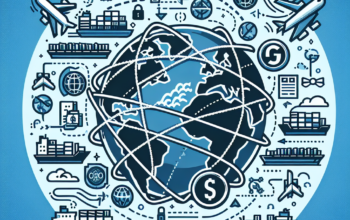
Changes to trade agreements have a direct and transformative impact on global supply chains, which have been the backbone of modern economies. As new tariffs and trade regulations come into play, businesses must reassess their supply chain strategies to maintain competitiveness. For instance, U.S.-China trade tensions have prompted numerous companies to seek alternative manufacturing hubs in Southeast Asia, Mexico, and other regions, thereby diversifying their supply chains to mitigate risks associated with overdependence on any single country or supplier.
Moreover, the reconfiguration of supply chains brings forth issues related to cost efficiency and operational flexibility. As companies adapt to new trade policies, they may face increased costs of production, which could ultimately be passed on to consumers. This dynamic raises significant questions about inflation and purchasing power in various economies, as industries grapple with the shifting landscape of trade agreements. The result is a complex interplay between rising costs, evolving consumer preferences, and the need for businesses to innovate continually.
Economic Implications for Emerging Markets
Emerging markets stand to be both affected and enriched by the changes in global trade agreements. Many of these countries have traditionally relied on exports to fuel their economic growth, making them particularly sensitive to shifts in trade policies. However, as developed nations seek to diversify their supply chains, opportunities arise for emerging economies to position themselves as viable alternatives. Countries in Africa, Southeast Asia, and Latin America can leverage favorable trade agreements to attract foreign direct investment, foster industrial growth, and access global markets.
The challenge for these nations lies in building the requisite infrastructure and regulatory frameworks to capitalize on new trade opportunities. Investments in logistics, trade facilitation, and workforce skills are essential for emerging markets to effectively integrate into global supply chains. Additionally, ensuring political stability and regulatory transparency will be vital for instilling investor confidence. As emerging markets adapt and innovate, they have the potential to redefine their roles in the global economy, moving from being passive participants to active drivers of growth.
Trade Agreements and Environmental Considerations
Recent years have marked a significant shift in the conversation surrounding trade agreements, with environmental considerations taking center stage. As global awareness around climate change and sustainability grows, trade agreements are increasingly incorporating environmental standards and commitments. For example, the implementation of carbon tariffs and sustainability clauses in trade deals highlights a growing recognition of the interdependence between trade practices and environmental stewardship.
Governments are beginning to understand that fostering sustainable trade practices is not just a moral imperative but also a strategic economic advantage. Countries engaging in eco-friendly trade can tap into a burgeoning market for green technologies and sustainable products. However, the integration of environmental standards into trade agreements also poses challenges, particularly for developing nations striving for economic growth. Balancing the need for environmental protection with economic development goals remains a contentious issue that requires thoughtful negotiation and cooperation among nations.
The Future of Trade Agreements: Trends and Predictions
Looking ahead, the future of trade agreements will likely be shaped by a variety of trends. One notable trend is the rise of digital trade agreements that address the complexities of e-commerce and data exchange. As the digital economy continues to expand, countries will seek to establish rules that facilitate cross-border data flows while safeguarding national interests. Expect to see more frameworks designed to optimize digital trade, reflecting the growing importance of data as a critical commodity.
Additionally, geopolitical shifts, such as the resurgence of protectionist policies and changing alliances, will continue to influence trade agreements. The fight over technology dominance, particularly in artificial intelligence and biotechnology, could lead to fragmented trade rules, where countries form blocs based on shared technological standards. Policymakers will need to remain agile, navigating these changes to harness economic benefits and maintain competitive advantages in an increasingly interconnected world.
Finally, there is a burgeoning recognition of social equity in trade agreements. Increased emphasis on labor rights, fair trade practices, and inclusive growth will likely drive the creation of agreements that prioritize the well-being of workers and communities affected by trade. Governments, NGOs, and businesses will need to cooperate to ensure that future trade policies promote not just economic growth but also social and environmental sustainability.
Conclusion
Changes to trade agreements in 2025 have far-reaching implications for the global economy, influencing everything from supply chains to environmental standards. The recalibration of trade policies presents both challenges and opportunities for emerging economies, shaped by a landscape that increasingly prioritizes sustainability and technological advancement. As countries adapt to these transformations, maintaining a balanced approach between economic growth and social responsibility will be crucial for ensuring a resilient and equitable global economy.
FAQs Section
What are the recent changes to trade agreements?
Recent changes to trade agreements have seen a shift towards more bilateral agreements focusing on immediate economic gains, increased emphasis on digital trade and cybersecurity, and the incorporation of environmental standards into negotiations.
How do changes in trade agreements affect global supply chains?
Changes in trade agreements can disrupt established global supply chains by altering tariffs and regulations. Companies may need to diversify their suppliers and adapt to new cost structures to remain competitive.
What implications do trade agreements have for emerging markets?
Emerging markets can benefit from new trade opportunities presented by changes in global trade agreements. However, they must invest in infrastructure and regulatory frameworks to attract foreign investment and integrate into global markets effectively.
How are environmental concerns addressed in trade agreements?
Increasingly, trade agreements are incorporating environmental clauses, such as carbon tariffs, to ensure sustainable practices. This shift reflects the global acknowledgment of the importance of environmental stewardship in trade.
What future trends can we expect in trade agreements?
Future trends in trade agreements are expected to include greater focus on digital trade rules, an emphasis on social equity, and a response to geopolitical shifts that may lead to more fragmented trade regulations.