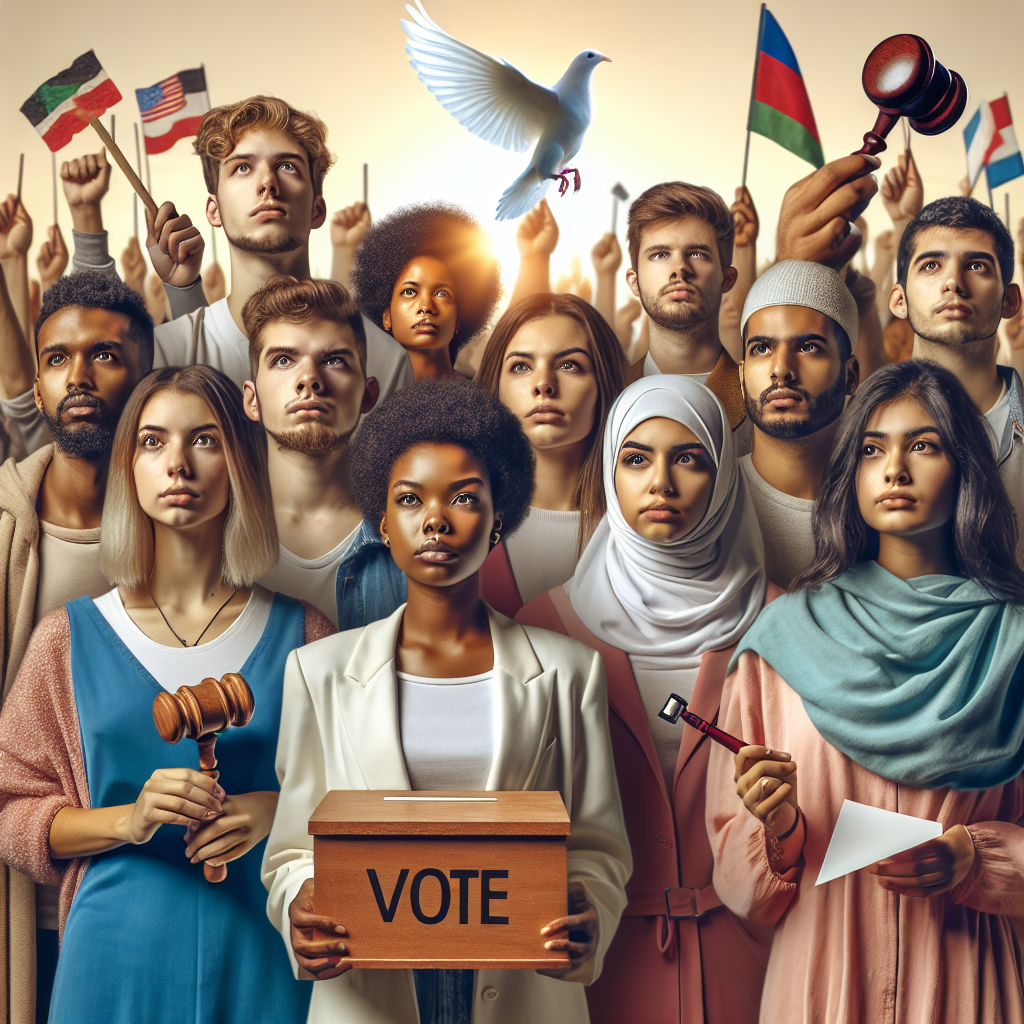
Addressing Immigration with Strength and Compassion


Introduction
Immigration is one of the most pressing issues facing societies today, especially as we navigate through the complexities of the modern world in 2025. The need to address immigration with strength and compassion has never been more critical, considering the geopolitical upheaval, economic opportunities, and humanitarian crises that drive individuals across borders. This article aims to explore effective approaches to immigration that balance the need for robust policies with a deep sense of empathy and understanding towards those seeking a better life. By embracing this dual approach, communities can build a more inclusive society that recognizes the invaluable contributions of immigrants.
Understanding the Current Immigration Landscape in 2025
The immigration landscape in 2025 is shaped by a multitude of global factors, including economic conditions, climate change, and political instability. As nations adjust to the aftermath of the COVID-19 pandemic, many are grappling with workforce shortages, resulting in an increased demand for skilled and unskilled laborers. In numbers, approximately 272 million people around the world are currently living outside their home countries, with many seeking refuge, asylum, or simply better economic prospects. Countries are increasingly recognizing that a well-managed immigration system can boost economic growth, foster innovation, and counteract demographic declines.
To address these challenges effectively, nations are revisiting their immigration policies, focusing on creating pathways for legal immigration while enhancing border security. Governments are implementing technology-driven solutions to streamline the immigration process, thus reducing long waiting times and paperwork that have historically plagued applicants. Nations are also collaborating internationally to tackle the root causes of migration, highlighting a transition towards a more cohesive global approach to immigration.
The Importance of Compassionate Immigration Policies
Compassionate immigration policies acknowledge the human stories behind statistical data. Rather than viewing immigrants merely as numbers or security threats, a compassionate approach humanizes their experiences, highlighting their aspirations, struggles, and the significant contributions they make to society. Policies that prioritize human rights and dignity can dramatically improve the integration process for immigrants, allowing them not only to contribute economically but also to enrich the cultural fabric of the host nation.
In 2025, more nations are embracing the concept of “humane borders,” which combines security and compassion in practice. Programs that provide social services, legal assistance, and mental health resources for newcomers have proven to facilitate smoother transitions into society. Furthermore, stories of successful immigrant integration underscore the importance of empathy in policy-making, showcasing how individuals from diverse backgrounds have revitalized communities by driving entrepreneurship, filling labor shortages, and diversifying local culture.
Addressing Immigration Challenges with Strength and Strategy
Strength in immigration policy is not solely about enforcement; it is about developing a strategic framework that incorporates security measures while ensuring that pathways to citizenship and residency are available and accessible. In 2025, several nations are implementing comprehensive immigration reform that takes a two-fold approach: enhancing border security and simultaneously introducing programs that support legal pathways for immigrants. These strategies often involve collaboration between various government agencies, the private sector, and community organizations, ensuring that policy implementation is both effective and humane.
Moreover, technology plays an integral role in fortifying immigration systems. Advances in artificial intelligence and data analytics enhance border security and improve the processing of applications. For instance, biometric systems allow for secure identity verification, reducing fraud while facilitating quicker approvals for legitimate applicants. As nations adopt these technologies, effective communication about their implications for privacy and civil liberties becomes essential, ensuring that the public understands the balance between security and compassion.
Furthermore, addressing systemic challenges, such as the backlog in immigration processing, requires a robust strategic plan. Streamlining bureaucratic procedures, increasing staffing for immigration services, and allocating resources towards refugee resettlement programs are essential steps. In this way, strength and strategy go hand-in-hand, providing both security and support for those who seek refuge or a better life in a new country.
The Role of Community Engagement and Support Systems
Community engagement is crucial in creating an environment where immigrants can thrive. Local communities serve as the first points of contact for newcomers, and their attitudes and responses can significantly influence the integration process. In 2025, initiatives that promote community involvement—such as cultural exchange programs, mentorship opportunities, and local partnerships—are proving to be effective in bridging gaps between immigrants and the existing population. Communities are more likely to embrace newcomers when they are actively involved in shared activities, promoting mutual understanding and acceptance.
Support systems are equally vital for an immigrant’s success. Non-profit organizations, legal clinics, language schools, and job placement services work tirelessly to assist newcomers in navigating the complexities of life in a new country. Access to resources such as education and job training programs can facilitate their economic integration and foster a sense of belonging. For instance, initiatives focusing on providing language skills and cultural orientation classes empower immigrants to engage fully in society, enhancing their contributions to local economies and social life.
Finally, the role of local governments cannot be overlooked. By implementing inclusive policies that recognize the contributions of immigrants and actively involve them in community decision-making processes, local governments can cultivate a sense of belonging and stability. This proactive approach not only benefits immigrants but also enriches the entire community, creating a vibrant and diverse society.
The Economic Impact of Immigrants in 2025
The contribution of immigrants to the economy cannot be understated. As countries face an aging workforce and declining birth rates, immigrants play a critical role in filling gaps in various sectors, from technology to healthcare to agriculture. In 2025, research indicates that immigrants contribute significantly to GDP growth and innovation, creating jobs not only for themselves but also for native-born citizens. For instance, entrepreneurial immigrants often start businesses that employ locals, thus driving economic expansion and diversity.
Moreover, government policies that support immigrant labor can lead to enhanced productivity and efficiency in various industries. By allowing skilled immigrants into the labor market, countries can benefit from diverse perspectives and expertise that lead to actionable insights and new solutions. The integration of immigrants into the economy can also drive consumer demand, as this growing population contributes to local markets, stimulates business growth, and increases tax revenues necessary for funding public services.
Additionally, embracing and investing in immigrant communities can lead to regional economic revitalization. Many urban and rural areas experiencing economic decline have witnessed rejuvenation through immigrant-led initiatives. Policies that provide incentives for businesses to hire immigrants or that support immigrant entrepreneurs can catalyze development in stagnant regions, creating a win-win scenario for immigrants and the host society.
Conclusion
Addressing immigration with strength and compassion in 2025 is not just a humanitarian necessity; it is an essential element for fostering resilient, inclusive, and thriving societies. By creating robust policies that ensure both security and empathy, societies can benefit from the diverse contributions of immigrants. Strong immigration systems that incorporate compassion help build stronger communities and economies while affirming the dignity and human rights of individuals seeking better opportunities. A collaborative approach that includes community engagement, supportive services, and economic integration will lay the foundation for a future where diversity is celebrated and all individuals have the opportunity to succeed.
FAQs
What are the key challenges facing immigration today?
Key challenges include political opposition, public misconceptions about immigrants, and bureaucratic delays in processing applications, alongside dealing with the humanitarian needs of refugees and asylum seekers.
How can communities support immigrants effectively?
Communities can support immigrants by providing access to resources like language programs, job training, and mentorship opportunities, as well as promoting initiatives that foster local engagement and cultural exchange.
What impact do immigrants have on local economies?
Immigrants contribute significantly to local economies through job creation, entrepreneurship, and increased consumer demand, often revitalizing struggling areas and enhancing overall economic growth.
How can immigration policies balance security and compassion?
Effective immigration policies can balance security and compassion by implementing humane practices at borders while ensuring rigorous checks, streamlining processes, and promoting pathways to legal residency.
What recent changes have occurred in immigration policies globally?
Recent changes include the implementation of technology-driven solutions for processing applications, increased international collaboration to address migration causes, and a growing emphasis on humanitarian approaches that enhance immigrant integration.