Analyzing the Impact of Economic Crises on Voting Patterns.

Introduction
In recent years, economic crises have significantly influenced voting patterns across the globe, particularly as we navigate the complex landscape of the post-pandemic economy in 2025. Analyzing the impact of economic crises on voting patterns reveals critical insights into the behavior of electorates and the shifting priorities that emerge during times of financial instability. Economic downturns often prompt voters to reassess their political allegiances, leading to shifts in party support and increased volatility at the polls. Understanding these dynamics is essential for political analysts, economists, and policymakers alike.
The Historical Context of Economic Crises and Voting Behavior
To understand the impact of economic crises on voting patterns, it’s essential to delve into the historical context of how previous recessions have influenced electorate behavior. The Great Depression of the 1930s, for example, marked a significant turning point in American politics, ushering in the New Deal coalition under Franklin D. Roosevelt. Voters responded to the economic despair by shifting their allegiances toward the Democratic Party, which promised extensive reforms and government intervention. This historical precedent showcases how economic turmoil can lead to transformative shifts in political preferences.
In more recent history, the 2008 financial crisis also reshaped voting patterns. The economic fallout led to the rise of populist movements and a stark polarization in party support, as many disillusioned voters rejected traditional political establishments. The increasing discontent with the established political order resulted in a surge of support for non-traditional candidates, highlighting how economic crises can serve as catalysts for profound changes in voting behavior. Today, as we stand in 2025, the ripple effects of these past crises continue to influence the current political landscape.
Economic Factors Driving Voting Patterns in 2025
As we analyze the impact of economic crises on voting patterns in 2025, it’s vital to consider the key economic factors driving voter behavior. Inflation has emerged as a significant concern in many countries post-pandemic, affecting consumers’ purchasing power and creating widespread dissatisfaction with incumbent administrations. High inflation rates have fueled public frustration, as families struggle to keep up with rising costs. In response, voters are increasingly inclined to favor parties and candidates that pledge to take a hard stance on inflation management and fiscal responsibility.
Another critical factor is unemployment and job security. In the wake of the COVID-19 pandemic, many economies are still recovering, and job markets remain fragile. Voters are more likely to support candidates who prioritize economic recovery, job creation, and training programs tailored to emerging industries. The urgency of the economic situation has thrust these issues to the forefront of political agendas, emphasizing the connection between economic crises and voter priorities in shaping electoral outcomes.
The Role of Demographics in Shaping Voting Patterns
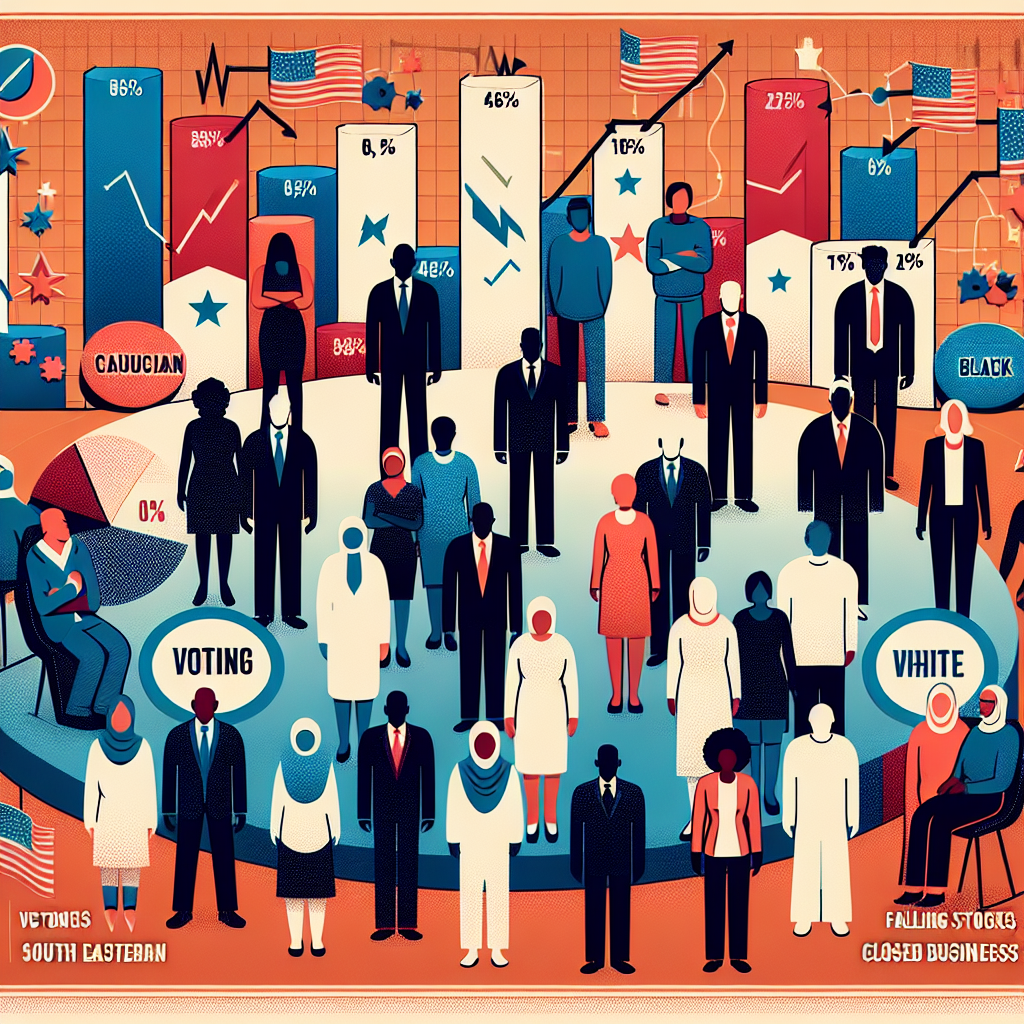
Demographics play an essential role in understanding how economic crises influence voting patterns. In 2025, shifting demographics, including age, ethnicity, and education levels, have altered the electoral landscape. Younger voters, particularly those from marginalized communities, are increasingly vocal about their economic concerns, demanding action on issues like student debt relief and affordable housing. This demographic shift has resulted in a noticeable impact on voting behavior, as younger generations tend to gravitate toward progressive candidates who align with their economic interests.
Moreover, as populations become more diverse, the intersection of economic issues with racial and social justice concerns cannot be overlooked. Voters of color have historically faced systemic economic disadvantages, and their voting patterns reflect a demand for equity and inclusion in economic policies. The economic crises have highlighted these disparities, causing mobilization among these voter groups and leading to significant shifts in support for candidates who champion social and economic justice.
Additionally, the role of education in shaping voting patterns cannot be neglected. Higher levels of education often correlate with progressive voting tendencies, particularly in economic matters. As the economy continues to evolve, voters with advanced degrees are more likely to favor policies that prioritize education, technology, and innovation as pathways to economic recovery. This demographic insight is crucial in predicting and understanding the electoral landscape in the wake of economic turmoil.
Case Studies: Recent Elections Affected by Economic Crises
Analyzing recent elections can provide valuable insights into how economic crises shape voting patterns. The 2022 midterm elections in the United States serve as a prime example. As inflation soared to levels not seen in decades, many voters expressed their dissatisfaction through the ballot box, leading to an unexpected shift in party control. The economic crisis prompted a movement toward candidates who promised to address the financial struggles of everyday citizens, resulting in pivotal wins for Democratic candidates in previously Republican strongholds.
Similarly, the 2024 general elections in several European nations were greatly influenced by economic instability. The aftermath of the pandemic and ongoing geopolitical tensions led to an economic crisis in various parts of Europe, prompting a wave of populist sentiment. Many voters turned to far-right parties that capitalized on the fears surrounding economic insecurity and job losses, effectively reshaping the political landscape. These case studies highlight the profound connection between economic crises and the consequent shifts in voter behavior.
In Latin America, the economic fallout following the pandemic also played a crucial role in shaping political outcomes. For instance, in Brazil, economic challenges led to the unseating of the incumbent president in a highly contested election. The electorate responded to rising unemployment rates and inflation by backing a candidate who promised comprehensive economic reform. Such examples underline the importance of economics in influencing political allegiances and electoral decisions, reinforcing the necessity of analyzing economic crises in understanding voting patterns.
Predicting Future Trends in Voting Behavior Amid Economic Uncertainty
As we look toward the future, predicting trends in voting behavior amid economic uncertainty requires a keen understanding of current dynamics. The impact of technology and social media on political engagement and grassroots organizing can’t be ignored. In 2025, voters are increasingly using digital platforms to mobilize, communicate their preferences, and advocate for change. This trend is particularly pronounced among younger voters, who are shaping electoral outcomes by leveraging technology and social networks to amplify their concerns regarding economic issues.
Moreover, the issue of climate change and its financial implications is becoming an increasingly important factor in voting behavior. As economic crises often intersect with environmental disasters, voters are beginning to prioritize candidates who address the economic aspects of climate change. Politicians who advocate for green jobs and sustainable economic policies are likely to gain traction among voters who are concerned about both the economy and the environmental future.
Finally, the evolving nature of global politics must be factored into future voting patterns. As economic crises create instability, voters may increasingly look for strong, decisive leadership. This desire for stability could lead to a rise in support for authoritarian or populist figures who promise comprehensive solutions to economic woes, further complicating the electoral landscape. Understanding these potential trends is essential for political analysts looking to gauge voter preferences in a post-crisis world.
Conclusion
In summation, analyzing the impact of economic crises on voting patterns reveals a complex interplay between financial stability and political behavior. Historically, economic turmoil has catalyzed significant shifts in party allegiances and voter priorities, reflecting the urgent concerns of electorates. As we navigate through 2025, the ongoing economic challenges of inflation, unemployment, and systemic inequities continue to shape the political landscape. The future promises to be equally dynamic, with demographic shifts, technological advancements, and evolving global contexts influencing electoral behavior. For analysts, understanding these trends is crucial in anticipating how economic crises will continue to affect the political arena.
FAQs
1. How do economic crises influence voting behavior?
Economic crises typically lead to increased dissatisfaction with incumbent leaders, prompting voters to re-evaluate their political allegiances and often favor candidates who promise economic stability and reform.
2. What factors contribute to shifts in voting patterns during economic downturns?
Key factors include unemployment rates, inflation, demographic shifts, and public sentiment about social justice and equity, all of which influence voter priorities and preferences.
3. Can you provide examples of recent elections affected by economic crises?
Yes, the 2022 midterms in the U.S. and several recent elections in Europe and Brazil demonstrate how economic challenges led to significant shifts in party support and voter behavior.
4. How do demographic changes impact voting patterns during economic crises?
Shifts in demographics, such as age, race, and education levels, can create new voting blocs that respond to economic issues, with younger and more diverse voters often advocating for progressive change.
5. What role does technology play in shaping voting behavior in times of economic uncertainty?
Technology and social media enhance political engagement and mobilization, particularly among younger voters who utilize digital platforms to organize and advocate for economic reforms during crises.