The Role of Political Debates in Democracy
Political debates have long been a cornerstone of democratic engagement, serving as platforms where candidates showcase their policies, respond to public concerns, and differentiate themselves from their opponents. However, as we progress through 2025, there is a growing discourse around whether these debates genuinely benefit democracy or if they are becoming an impediment to informed discourse. This article will explore the multifaceted implications of political debates in the contemporary political landscape, evaluating their role in enhancing or undermining democratic values.
The Evolution of Political Debates in Modern Democracy
Political debates have undergone significant transformations over the years, reflected in their format and substance. Historically, debates were rather formal, structured affairs where candidates exchanged ideas and policies thoughtfully. However, the rise of the internet and social media has changed the dynamics drastically. Today, debates often focus on soundbites and emotionally charged exchanges rather than substantial policy discussions. This shift raises questions about the effectiveness of debates in conveying meaningful information to voters.
In 2025, the format of debates frequently includes live streaming on multiple platforms, engaging a wider audience but often resulting in fragmented discussions. The focus tends to shift to what sounds good rather than what is good policy. Audiences are more attracted to sensational moments than to detailed analyses of proposals. Consequently, the quality of discourse may suffer, leading to a population that is more misinformed than engaged—an outcome that contradicts the foundational goals of democratic debates.
The Impact on Voter Engagement and Informed Decision-Making
Political debates can play a pivotal role in encouraging voter engagement. They offer a unique opportunity for citizens to hear directly from candidates about their policies and perspectives, potentially mobilizing voters who may feel disconnected from the political process. When debates are executed effectively, they can illuminate contrasting visions for the country, allowing voters to make informed decisions at the ballot box. Engaged audiences are more likely to participate in the electoral process, reinforcing the principles of democracy.
However, the manner in which debates are conducted can significantly affect their ability to enhance voter knowledge. In 2025, many debates are criticized for being overly theatrical, where candidates prioritize performance over substance. This theatricality can distort public perception and lead to decisions based on charisma rather than concrete policy outcomes. As a result, while debates have the potential to enhance democratic engagement, they can also hinder informed decision-making if not approached thoughtfully.
The Role of Moderators and Media in Shaping Debate Dynamics
The influence of moderators and media outlets cannot be underestimated in political debates. Moderators are tasked with guiding discussions, ensuring equality of time and opportunity for candidates, and framing questions that elicit substantive responses. In 2025, however, there has been increased scrutiny regarding the impartiality and competence of moderators. Some critics argue that moderators sometimes prioritize sensationalism, crafting questions intended to provoke conflict rather than foster discussion. This focus can detract from issues that matter to voters, further clouding the information they receive.
Media coverage also plays a crucial role in the aftermath of debates. Their analyses and opinions can shape public perception, often amplifying or downplaying various aspects of each candidate’s performance. In a 24-hour news cycle, media outlets may prioritize immediate reactions and “winners” or “losers” framing, which can distort the actual substance of what was discussed during the debate. Consequently, this dynamic presents a challenge for voters who seek a deeper understanding of candidates’ positions, which is essential for a healthy democracy.
Moreover, social media has emerged as a double-edged sword in shaping debate narratives. While it can serve as a vehicle for instantaneous feedback from the public, it can also propagate misinformation and create echo chambers, where users amplify their biases. This evolving landscape underscores the necessity for voters to critically assess information sources during election cycles.
Debates and Polarization: A Double-Edged Sword
Rather than serving as platforms for constructive dialogue, political debates can often exacerbate polarization among voters. In the increasingly fragmented political landscape of 2025, debates may solidify existing divisions rather than bridge gaps between differing ideologies. Candidates may feel pressured to cater to their base rather than seek common ground with opponents, leading to a more combative atmosphere where dialogue takes a backseat to partisan rhetoric.
While some argue that this polarization is a natural evolution of the political landscape, others caution that it undermines democratic ideals. When debates devolve into arguments rather than discussions, they contribute to a culture of mistrust and animosity, making it challenging to foster cooperative governance. A constructive democratic process relies on a willingness to engage with opposing viewpoints, an element that is often lost in the current debate format.
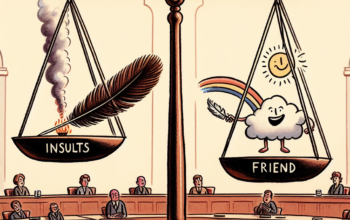
Additionally, as candidates resort to negative campaigning or personal attacks during debates, the focus shifts away from policy discussions. This approach not only alienates moderate voters but also diminishes the overall quality of discourse, creating an environment where misinformation thrives. The deeper this polarization becomes, the more difficult it is for democracy to function effectively, threatening the very foundations of constructive civic engagement.
The Future of Political Debates: Adapting to the Changing Landscape
As we navigate through 2025, the future of political debates will likely require significant adjustments to maintain their relevance and efficacy as democratic tools. A reevaluation of debate formats may be necessary to foster deeper engagement and discourse. For example, incorporating town hall-style formats, where citizens have the opportunity to engage directly with candidates, may help humanize the political process and encourage honest exchanges on policy matters.
Moreover, the introduction of fact-checking within debates—perhaps through live, independent fact-checkers—could provide the audience with accurate information in real time. This method would encourage candidates to emphasize factual accuracy and diminish the prevalence of misinformation. Such reforms could redefine debates as platforms for truth rather than conflict, supporting informed decision-making among voters.
In addition, leveraging technology can create more interactive formats where voters can pose questions via various channels, encouraging a wider array of voices in the debate process. Enhancing accessibility and inclusivity can expand the participant pool and help mitigate the feeling of disenfranchisement often felt by voters disengaged from traditional political discourse.
Conclusion
In summary, political debates in 2025 represent a critical arena for democratic engagement, but their effectiveness is not without significant challenges. While they provide vital opportunities for candidates to present their views, the current landscape often favors performance over substance. The influence of media and the rise of polarization complicate the relationship between debates and informed voter decision-making. Ultimately, for debates to serve democracy effectively, ongoing reforms are necessary to prioritize engagement, inclusivity, and accurate representation of candidates’ positions.
FAQs
1. How do political debates influence voter behavior?
Political debates can significantly influence voter behavior by providing a platform for candidates to showcase their policies and personalities. However, the impact can vary based on the quality of the debate and media portrayal.
2. Are political debates in 2025 more focused on substance or style?
In 2025, many observers argue that political debates are increasingly focused on style rather than substance, often prioritizing theatricality over meaningful policy discussions.
3. What role do moderators play in shaping political debates?
Moderators play a crucial role by guiding conversations, presenting questions, and managing time among candidates. However, their effectiveness can vary, impacting the overall quality of the debate.
4. How has social media affected political debates?
Social media has amplified the reach of political debates but also contributed to misinformation, polarization, and echo chambers, complicating voters’ efforts to access accurate information.
5. What reforms could improve the effectiveness of political debates?
Possible reforms include adopting more interactive formats, incorporating real-time fact-checking, and enhancing accessibility to encourage diverse participation and more substantive discussions.