Balancing Personal Freedom and Collective Responsibility
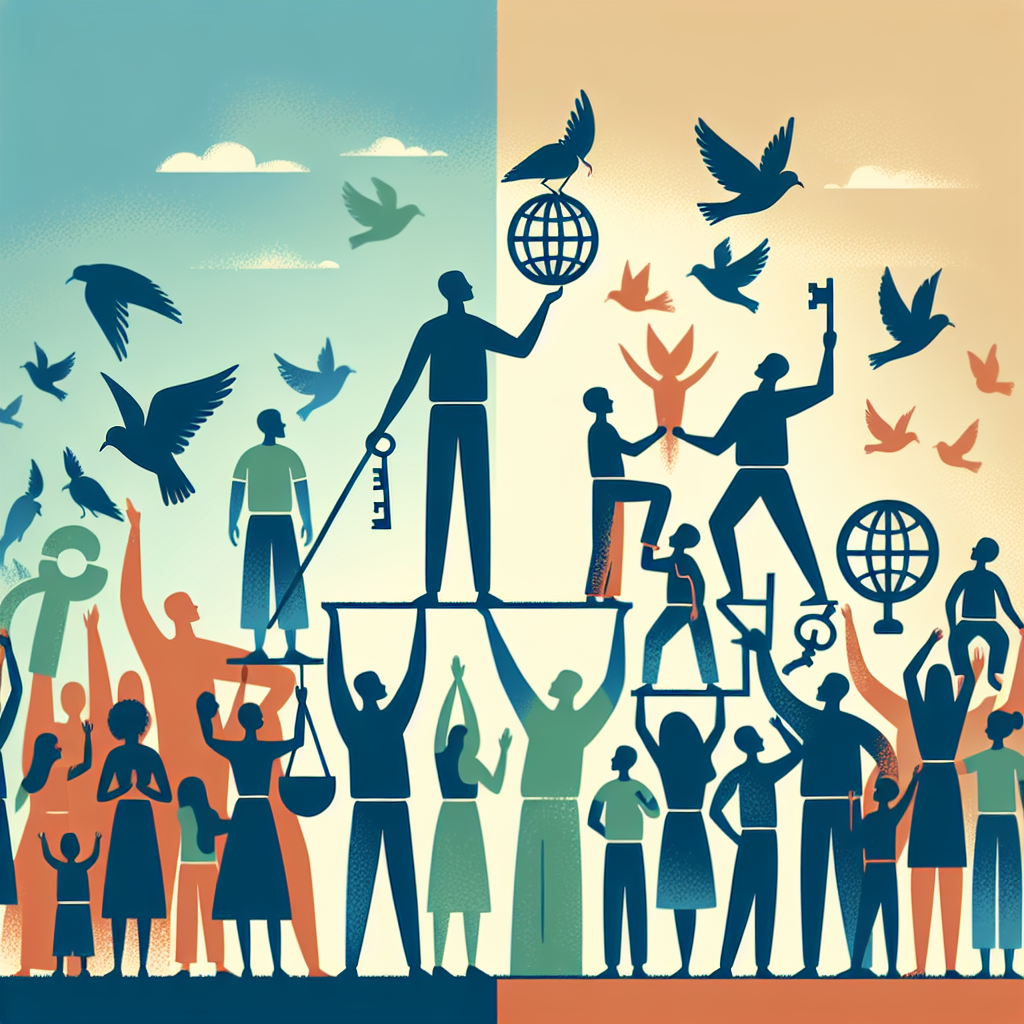
Balancing Personal Freedom and Collective Responsibility
In today’s world, the delicate interplay between personal freedom and collective responsibility has become increasingly relevant and complex. As societies evolve, individuals seek autonomy while also acknowledging that their choices have broader implications. This article aims to explore the multifaceted relationship between personal liberty and collective duty, considering various perspectives and scenarios as of 2025, so we can create a more harmonious and sustainable future.
The Value of Personal Freedom in Contemporary Society
Personal freedom is the cornerstone of modern democratic societies. It encompasses the right to make choices about one’s life, beliefs, and actions without undue interference. In 2025, individuals are more aware than ever of their rights, aided by advancements in technology and communication. This wave of awareness considers personal freedom essential for self-expression, creativity, and innovation. As people engage with global issues such as climate change, social justice, and mental health, the emphasis on personal freedom allows them to voice their opinions and participate in solutions that resonate with their values.
However, this pursuit of personal freedom does not exist in a vacuum. The rise of individualism can sometimes overshadow the importance of collective responsibility. While it is crucial for individuals to feel empowered to express themselves, they must also consider how their actions impact their communities and the environment. Therefore, as we navigate the complexities of freedom, there must be an awareness that personal choices ripple through the social fabric, affecting the well-being of society as a whole.
Understanding Collective Responsibility in Global Context
Collective responsibility refers to the idea that individuals within a community bear a shared duty to contribute to the welfare of all its members. This concept has gained momentum in 2025, especially in light of global challenges like pandemics, climate change, and social injustice. Collective responsibility encourages individuals to recognize their role in addressing societal issues, fostering a sense of unity and collaboration. As communities face unprecedented challenges, such as natural disasters and health crises, the need for a shared commitment becomes more pronounced.
In practice, collective responsibility manifests through community activism, support systems, and collaborative problem-solving. In urban settings, for instance, neighborhoods may come together to develop local solutions that address food security, health care access, and sustainable living. By working towards common goals, community members can amplify their voices and ensure that everyone’s needs are considered. This collective engagement promotes actions that foster inclusivity, breaking down barriers and strengthening social cohesion.
Finding the Balance Between Individualism and Community Welfare
One of the critical tensions in discussing personal freedom and collective responsibility is finding equilibrium between the two. In 2025, a growing body of thought suggests that harmonizing individual rights with community welfare is not only possible but necessary. Embracing a balanced approach means recognizing that while personal freedoms are essential for innovation and self-discovery, they must be exercised within the framework of accountability to the collective.
To achieve this balance, individuals can adopt a mindset that values both autonomy and interdependence. This involves being aware of one’s actions and how they impact others. For instance, an individual who prioritizes sustainable living choices, such as reducing waste or supporting local businesses, enhances their community’s resilience and environmental health. Acknowledging the interconnectedness of personal choices and communal outcomes can foster a sense of belonging and empower individuals to act responsibly.
Education plays a vital role in promoting this balance. In 2025, educational institutions are increasingly incorporating curricula that emphasize social responsibility alongside personal empowerment. Programs that encourage critical thinking, civic engagement, and ethical decision-making help individuals appreciate the importance of collective responsibility. By nurturing these values from a young age, future generations can become informed citizens who integrate personal freedom with a commitment to the greater good.
Challenges in Balancing Freedom and Responsibility
Despite the necessity of balancing personal freedom with collective responsibility, significant challenges persist. In 2025, the rise of misinformation and polarized viewpoints complicates the discourse surrounding individual rights and communal obligations. Social media platforms, while facilitating dialogue and self-expression, can also exacerbate divisions, making it difficult for individuals to grasp shared realities. This challenge underscores the need for individuals to be discerning consumers of information and engaged participants in constructive dialogue.
Additionally, economic disparities can hinder the practical embodiment of collective responsibility. In many communities, a lack of resources can prevent individuals from actively participating in initiatives that benefit the collective. For instance, individuals from low-income backgrounds may struggle to make environmentally conscious choices due to financial constraints, highlighting the importance of equity in promoting collective responsibility. Thus, addressing systemic inequalities is vital to ensuring that all individuals have the opportunity and capacity to contribute to their communities.
Moreover, governmental policies often play a dual role in shaping the balance between personal freedom and collective responsibility. In 2025, nations worldwide grapple with the challenge of enacting regulations that protect individual liberties while promoting public welfare. The COVID-19 pandemic revealed the delicate balance policymakers must achieve, where public health policies sometimes clash with personal freedoms. Finding common ground in these discussions is crucial for fostering trust and cooperation among citizens, further emphasizing the need for transparent and inclusive policymaking processes.
Strategies for Effective Balance in Modern Society
Achieving a sustainable balance between personal freedom and collective responsibility requires intentional strategies at individual, community, and governmental levels. First, individuals should cultivate awareness of their societal impact and develop habits that reflect a commitment to collective welfare. Simple actions, such as volunteering, participating in local politics, or supporting community initiatives, can significantly enhance a sense of collective responsibility. By prioritizing actions that consider the well-being of the community, individuals contribute to forging a more interconnected society.
Communities can foster a culture of collaboration by creating platforms for dialogue, engagement, and shared decision-making. Town hall meetings, community forums, and digital platforms can facilitate discussions about local challenges and solutions. By encouraging diverse voices to share their perspectives, communities can build consensus around shared goals and nurture a sense of belonging. This collaborative approach ensures that personal freedoms are respected while simultaneously reinforcing the importance of collective responsibility.
At the governmental level, policies that promote collective good while safeguarding individual rights are necessary. This involves not only creating laws that address pressing social issues, such as climate change and health disparities, but also ensuring that the voices of marginalized populations are heard in the policymaking process. Governments can achieve this by implementing participatory governance models, where citizens actively engage in shaping policies that affect their lives. In doing so, they demonstrate that the government respects individual freedoms while emphasizing the importance of shared responsibility.
Conclusion
In conclusion, the ongoing balancing act between personal freedom and collective responsibility is essential for a thriving society. As we navigate the challenges of 2025, it becomes increasingly clear that individual liberty must be paired with a commitment to the community’s well-being. By fostering awareness, collaboration, and equitable policies, we can create an environment where both personal freedoms and collective responsibilities are valued and upheld. Ultimately, the goal is to empower individuals to pursue their aspirations while recognizing their roles within a connected societal framework, leading to a more cohesive and sustainable world.
FAQs
What is personal freedom?
Personal freedom refers to the ability of individuals to make choices about their lives, beliefs, and actions without interference, allowing for self-expression and autonomy.
What does collective responsibility mean?
Collective responsibility is the idea that individuals within a community share a duty to contribute to the welfare and well-being of all members, recognizing their interconnectedness.
How can individuals balance personal freedom and collective responsibility?
Individuals can balance these concepts by being mindful of their choices, engaging in community activities, and prioritizing actions that contribute to both personal goals and communal welfare.
Why is it important to educate about both personal freedom and collective responsibility?
Education fosters awareness and understanding, helping individuals appreciate the interplay between their rights and responsibilities. This equips them to navigate societal challenges actively and responsibly.
What role does government play in maintaining this balance?
Governments can implement policies that protect individual freedoms while promoting social welfare, ensuring that all citizens have a voice in decision-making processes that affect their lives.