Criminal Justice Reform: Addressing Systemic Inequality

Introduction
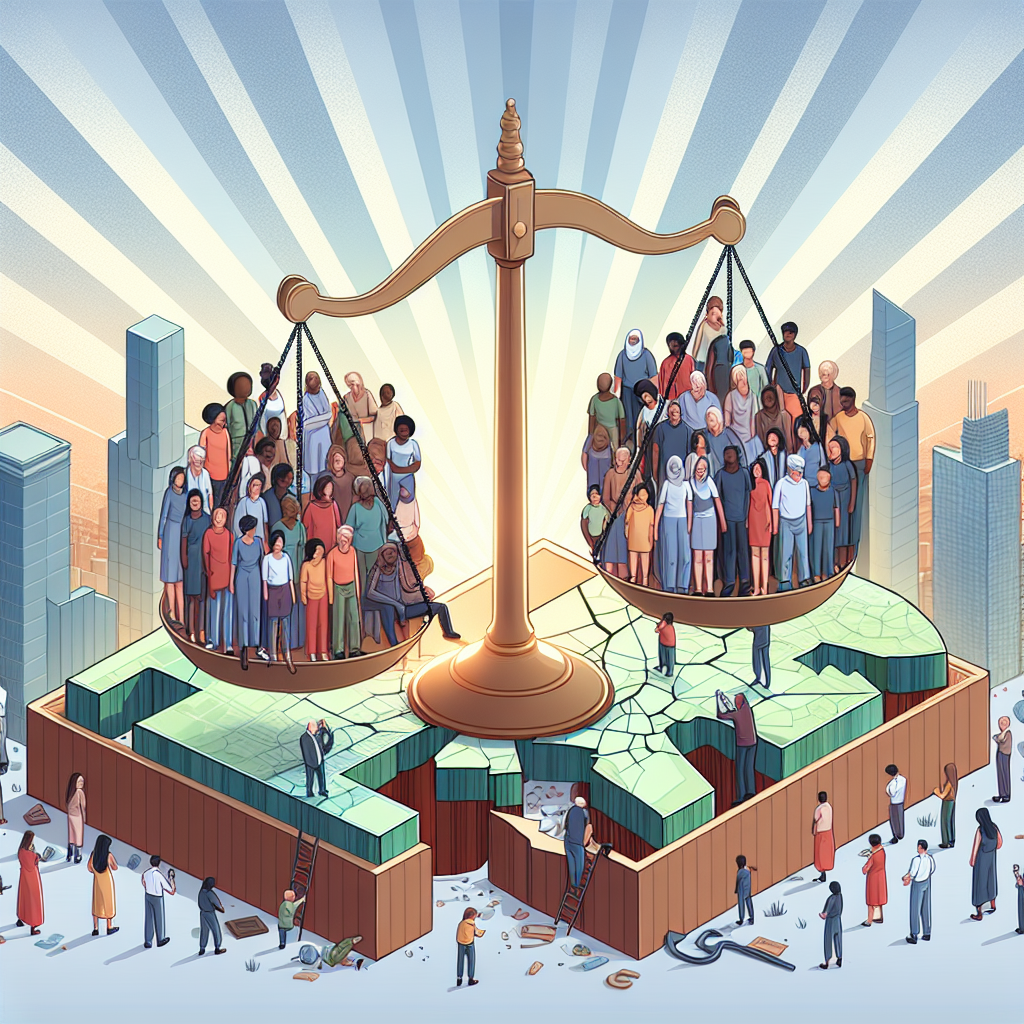
In 2025, the landscape of criminal justice reform remains a pressing national issue, as systemic inequality continues to permeate the justice system. The call for change has garnered attention from activists, policymakers, and concerned citizens alike. Addressing systemic inequality in criminal justice is essential not only for ensuring fairness but also for restoring public trust in the legal system. Reforming outdated policies and practices can mitigate the disparities faced by marginalized communities and foster a more equitable society.
Understanding Systemic Inequality in Criminal Justice
Systemic inequality in the criminal justice system manifests in various ways, primarily through racial and socioeconomic disparities that significantly impact marginalized communities. Research shows that Black and Hispanic individuals are more likely to be arrested, face harsher sentencing, and are overrepresented in prison populations compared to their white counterparts. For instance, a 2023 study revealed that Black Americans are nearly five times more likely to be incarcerated than white Americans, which reflects deep-seated biases within law enforcement practices, judicial proceedings, and correctional policies.
Moreover, socio-economic factors play a crucial role in perpetuating these inequalities. Individuals from lower-income backgrounds often lack access to quality legal representation, leading to exacerbated consequences when navigating the justice system. This is compounded by pre-existing social issues, such as poverty, inadequate education, and limited employment opportunities. The outcomes of these disparities are cyclical, where individuals who are unfairly targeted by law enforcement often struggle to reintegrate into society, thus perpetuating a cycle of incarceration and poverty.
The Role of Policy in Criminal Justice Reform
In 2025, several key policies are pivotal in driving criminal justice reform aimed at addressing systemic inequality. First, comprehensive policy reforms targeting mandatory minimum sentences are vital. These laws often disproportionately affect minority communities, leading to severe penalties for non-violent offenses. Advocacy groups are pushing for legislative changes that would allow judges to exercise discretion in sentencing, resulting in more equitable outcomes that consider the individual’s circumstances rather than a one-size-fits-all approach.
Additionally, the implementation of restorative justice practices has gained traction as a progressive alternative to traditional punitive measures. Restorative justice emphasizes rehabilitation over punishment, allowing offenders to understand the impact of their actions on victims and promote healing within the community. This approach not only reduces recidivism but also fosters a collective responsibility for societal harm, which is essential in dismantling the systemic inequalities entrenched in the criminal justice system.
Community Activism and Engagement
Community activism plays a crucial role in driving conversations about criminal justice reform. Grassroots organizations are at the forefront of advocating for policy changes and raising awareness about systemic inequality. In 2025, movements such as Black Lives Matter and various local coalitions have focused on mobilizing communities to demand accountability from law enforcement and push for legislative reforms. These groups organize protests, community forums, and educational initiatives aimed at fostering dialogue about the urgent need for a more equitable justice system.
Furthermore, community engagement is essential for establishing trust between marginalized groups and law enforcement agencies. Initiatives fostering community-police partnerships have emerged, promoting transparency and cooperation. By encouraging collaboration, these programs aim to change the narrative surrounding law enforcement interactions in marginalized communities, ultimately working towards rebuilding trust and ensuring equitable treatment across the board.
Additionally, educational initiatives that inform citizens about their rights within the legal framework play a significant role in empowering underserved populations. Providing resources on how to navigate the legal system can reduce fear and confusion, fostering informed communities that can advocate for themselves and demand fair treatment.
The Impact of Technology on Criminal Justice Reform
Technology’s role in criminal justice reform has become increasingly significant in addressing systemic inequalities. Advances in data analytics and machine learning are being leveraged to scrutinize policing patterns, examining which communities are disproportionately affected by law enforcement practices. In 2025, several jurisdictions are employing predictive analytics to identify potential biases and enhance accountability within law enforcement agencies, ultimately contributing to improved practices that mitigate systemic inequality.
Moreover, digital platforms have streamlined the reporting processes for both civilian complaints and police misconduct. Transparency initiatives aim to make previously inaccessible data available to the public, shedding light on patterns of discrimination and providing a basis for informed advocacy. In an era where information flows freely, communities can utilize technology to organize effectively and hold their representatives accountable for inequitable practices in the justice system.
However, it’s crucial to approach technology with caution, as the potential for new biases in algorithm-driven tools poses another layer of complexity. Activists and researchers advocate for continual oversight of these technologies to ensure they do not perpetuate existing racial and socio-economic disparities in criminal justice.
Future Directions for Criminal Justice Reform
Looking ahead, there are several promising directions for reforms aimed at addressing systemic inequality in criminal justice. One significant area is the decriminalization of certain offenses, particularly those related to drug use. The shift towards treating substance abuse as a public health issue rather than a criminal one offers persuasive evidence of how societal shifts can drive meaningful change. Advocates argue that decriminalization can decrease incarceration rates, especially among marginalized groups disproportionately affected by drug enforcement laws.
Another essential aspect of future reform is enhanced support for mental health and substance abuse programs within the criminal justice system. In 2025, increasing awareness of the intersection between mental health struggles and incarceration has prompted many states to integrate comprehensive mental health services into correctional facilities. By addressing the root causes of criminal behavior, these initiatives aim to reduce recidivism and support successful reintegration into society.
Lastly, prioritizing funding for community-based programs that focus on prevention rather than punishment is crucial. Investing in educational opportunities, job training, and mental health resources can help divert individuals from the criminal justice system altogether. As discussions around systemic inequality continue to evolve, advocates are emphasizing the need for a systemic shift towards prevention, rather than merely addressing symptoms of an inequitable justice system.
Conclusion
The path towards effective criminal justice reform in 2025 is paved with significant challenges and opportunities. Addressing systemic inequality requires a multi-faceted approach, including comprehensive policy changes, community engagement, technology-driven accountability, and innovative prevention strategies. As we navigate these complex issues, it is vital to remain committed to fostering a fair and equitable justice system that serves all individuals, regardless of their background. The journey towards reform is ongoing, but with collective effort and dedication, meaningful change can reshape the criminal justice landscape for future generations.
FAQs Section
What are the main causes of systemic inequality in criminal justice?
Systemic inequality stems from historical prejudices, socioeconomic factors, and biased law enforcement practices that disproportionately affect marginalized communities.
What is restorative justice, and how does it help with systemic inequality?
Restorative justice focuses on rehabilitating offenders through dialogue and community involvement, aiming to heal relationships and reduce recidivism instead of pursuing punitive measures.
How can technology improve criminal justice reform?
Technology can enhance accountability by providing data-driven insights on policing practices and facilitating transparency in the reporting of misconduct, enabling communities to hold law enforcement accountable.
What role does community activism play in criminal justice reform?
Community activism is essential for advocating policy changes, raising awareness about systemic inequality, and fostering dialogue between law enforcement and marginalized communities, ultimately promoting equity within the justice system.
What future initiatives can contribute to criminal justice reform?
Future initiatives may include the decriminalization of certain offenses, increased support for mental health services, and greater investment in community-based prevention programs aimed at reducing incarceration rates.