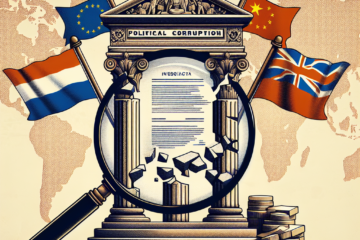
Environmental Corruption: Politics at the Crossroads of Greed

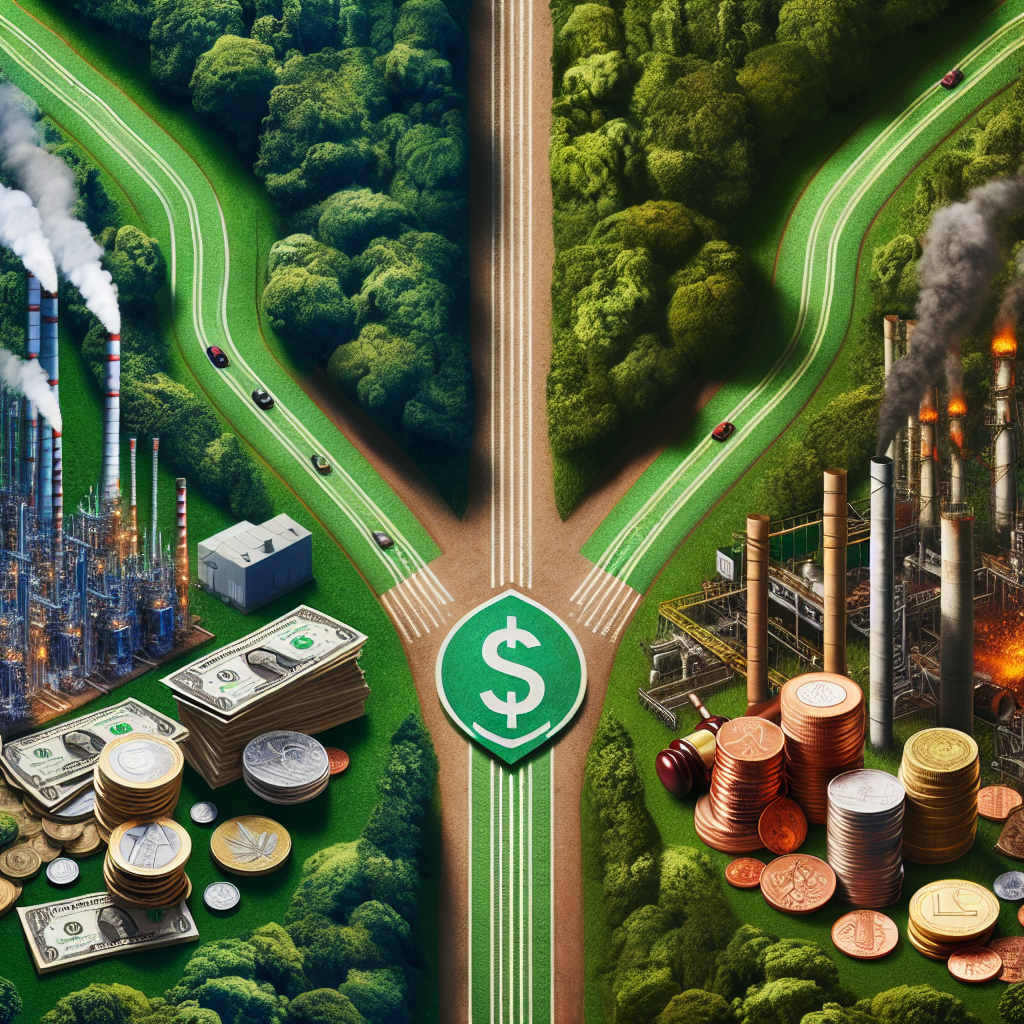
Environmental Corruption: Politics at the Crossroads of Greed
The interplay between environmental issues and political corruption often leads to a crisis that jeopardizes the future of our planet. In a world grappling with climate change, pollution, and resource depletion, environmental corruption has emerged as a significant barrier to sustainable development. This article will delve into the relationship between politics and greed in the context of environmental corruption, exploring its causes, consequences, and potential solutions in 2025. By understanding these dynamics, we can strive for a more transparent and sustainable future.
Understanding Environmental Corruption: An Overview
Environmental corruption refers to the manipulation of environmental laws and regulations for personal gain. This form of corruption can manifest in numerous ways, including bribery, fraud, and the exploitation of natural resources without regard for ecological consequences. In 2025, the scale of environmental corruption has reached alarming proportions, with significant implications for biodiversity and climate stability. Corrupt practices often prioritize short-term economic gains over long-term sustainability, leading to devastating impacts on ecosystems.
One of the most pressing examples of environmental corruption today involves illegal logging and deforestation. Governments and corporations engage in illegal activities such as issuing permits for logging in protected areas, driven by the promise of quick financial returns. This devastation not only contributes to loss of biodiversity but also exacerbates climate change, as forests serve as critical carbon sinks. The cyclical nature of greed and political complicity creates a complex web that perpetuates environmental degradation, highlighting the urgent need for reform.
The Role of Governments in Environmental Corruption
Governments play a pivotal role in either mitigating or exacerbating environmental corruption. In many cases, systemic issues within political institutions facilitate corrupt practices. Weak governance structures, lack of transparency, and inadequate enforcement of environmental laws allow exploitation to thrive unchecked. In 2025, numerous countries are grappling with these challenges, where corrupt officials may prioritize policies favoring private interests rather than public welfare.
Moreover, the influence of corporate lobbying cannot be overlooked. Large corporations with substantial financial resources often fund political campaigns, creating a nexus of interests that undermine environmental protections. In return for financial support, politicians may enact legislation that favors industries engaged in environmentally damaging practices. This symbiotic relationship between corporate greed and political ambition forms a cycle that perpetuates environmental corruption and hinders progress towards sustainability.
The Global Impacts of Environmental Corruption
The consequences of environmental corruption extend beyond the immediate effects on ecosystems. Globally, environmental corruption contributes to widespread public health crises. Polluted water sources, toxic waste, and air pollution—often the direct result of corrupt practices—pose significant health risks to communities. Vulnerable populations bear the brunt of these impacts, often lacking the resources to combat the adverse effects of environmental degradation.
Additionally, environmental corruption exacerbates socio-economic inequalities. Wealthier nations or regions may exploit the resources of poorer countries, extracting wealth while leaving behind a trail of ecological devastation and social disruption. In 2025, the international community is witnessing growing unrest and dissatisfaction as marginalized communities demand accountability from both local governments and multinational corporations involved in corrupt practices. Movements advocating for environmental justice continue to gain traction, highlighting the need for equitable resource distribution and stronger environmental governance.
Climate change is another profound consequence driven by environmental corruption. Unsustainable development practices, such as illegal mining and industrial pollution, contribute to greenhouse gas emissions and climate-related disasters. In 2025, regions around the world are facing intensified climate impacts, including severe weather events and rising sea levels, which worsens food insecurity and threatens livelihoods. Addressing environmental corruption is critical to mitigating these impacts and fostering resilience against climate change.
Strategies to Combat Environmental Corruption
In 2025, combating environmental corruption demands a multifaceted approach that includes strengthening governance, enhancing transparency, and promoting citizen engagement. Comprehensive reforms in governance are essential for addressing the root causes of corruption. This involves implementing robust legal frameworks that prioritize environmental protection, along with enforcing accountability for violations. Transparent political systems, where decision-making processes are open to public scrutiny, can deter corrupt practices and foster trust between citizens and governments.
The role of technology is increasingly vital in the fight against environmental corruption. Innovative solutions, such as satellite monitoring and blockchain technology, are being utilized to track environmental changes and resource extraction in real time. Such advancements increase the capacity for accountability and enable stakeholders to monitor compliance with environmental regulations effectively. In 2025, tech-driven initiatives demonstrate the potential to reduce corruption in resource management by providing an objective overview of environmental impacts and trends.
Public engagement and activism are also crucial in combating environmental corruption. Grassroots movements advocating for environmental integrity can mobilize citizens to demand transparency and accountability from their governments. Furthermore, global partnerships among non-profits, governments, and international bodies can create a united front against corruption. International frameworks, such as the United Nations’ Sustainable Development Goals, emphasize collaborative efforts to hold corporations and governments accountable for sustainable practices.
The Path Forward: Building a Sustainable Future
Moving forward, it is imperative that society prioritizes sustainability to combat environmental corruption effectively. This means rethinking economic models that prioritize short-term gains over ecological viability. Transitioning to a circular economy, which emphasizes recycling, minimal waste, and sustainable resource management, can help reduce the incentives for corrupt practices while fostering innovation in sustainable technologies.
Education also plays a critical role in addressing environmental corruption. Raising awareness about the consequences of corruption on the environment can empower citizens to demand change. In 2025, educational institutions are increasingly integrating sustainability and ethics into curricula to cultivate a new generation of environmentally conscious leaders who recognize the importance of integrity in governance and business practices.
Ultimately, collaboration across sectors—government, corporate, and civil society—will be crucial in the fight against environmental corruption. In this interconnected world, collective action can lead to effective reform and the transition toward sustainable development. As the impacts of environmental corruption become increasingly dire, the need for cooperation and unified action has never been more pressing.
Conclusion
Environmental corruption poses significant challenges that threaten the health of our planet and the well-being of future generations. The interwoven relationship between politics and greed perpetuates a cycle of exploitation and degradation, leading to profound environmental and social consequences. As we move into a new era in 2025, it is essential to prioritize transparency, strengthen governance, and engage citizens in the fight against this pervasive issue. By embracing sustainable practices and fostering collaboration, we can combat environmental corruption and pave the way for a healthier, more equitable world.
FAQs
What is environmental corruption?
Environmental corruption refers to the illegal or unethical practices related to environmental laws and regulations, often driven by greed and personal gain. This can include bribery, fraud, and manipulation of environmental policies to benefit individuals or corporations.
How does environmental corruption affect climate change?
Environmental corruption exacerbates climate change by promoting unsustainable practices such as illegal logging, mining, and industrial pollution. These activities lead to increased greenhouse gas emissions and contribute to the degradation of ecosystems.
What role do governments play in environmental corruption?
Governments can either facilitate or combat environmental corruption. Weak governance, lack of transparency, and corporate lobbying can lead to the exploitation of natural resources and the erosion of environmental protections.
How can we combat environmental corruption?
Combating environmental corruption requires a combination of robust governance reforms, technological innovations, public engagement, and international cooperation aimed at ensuring accountability and promoting sustainable practices.
Why is public engagement important in fighting environmental corruption?
Public engagement is vital for demanding accountability from governments and corporations involved in corrupt practices. Grassroots movements and activism can mobilize communities to advocate for environmental integrity and foster a culture of transparency.