Evaluating Nationalism in the Modern Political Landscape
In today’s globalized world of 2025, nationalism has emerged as a powerful force shaping political landscapes across nations. The term, often associated with identity, sovereignty, and pride, has morphed into various forms and movements that raise pertinent questions about its implications for international relations, economic policies, and societal cohesion. This article aims to provide a comprehensive evaluation of nationalism in the modern political landscape. By examining its manifestations, the role of technology, and the pressing global challenges we face, we will unpack the complexities of nationalism today.
Understanding Contemporary Nationalism: Definitions and Types
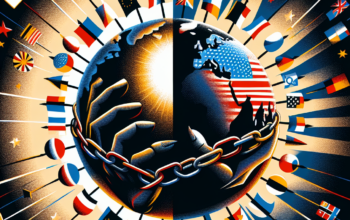
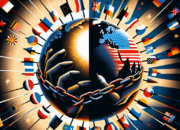
Nationalism, at its core, is a political ideology that emphasizes the interests and culture of a nation, advocating for its self-governance and often prioritizing national identity over globalism. In 2025, this definition has evolved to encompass various forms, including cultural nationalism, civic nationalism, and ethnic nationalism. Cultural nationalism focuses on the promotion of a shared heritage, language, and traditions among citizens. For instance, many countries in Europe are witnessing a resurgence in cultural nationalism as they grapple with immigration and integration challenges. Civic nationalism, on the other hand, emphasizes shared political values and citizenship, appealing to inclusive national identity, exemplified by efforts in countries like Canada, where a multicultural approach is celebrated.
Ethnic nationalism, while often more exclusive, has also resurfaced as communities seek to preserve their distinct cultural identities in a rapidly changing world. This form is particularly visible in regions with diverse ethnic groups, where political movements advocate for the rights of marginalized communities. These various strands of nationalism showcase the fluidity of the ideology in 2025, reflecting both unity and division, as societies navigate the balance between inclusivity and the assertion of identity.
The Rise of Nationalism Post-Pandemic
The COVID-19 pandemic drastically altered the political landscape, providing fertile ground for nationalist sentiments to flourish. In the aftermath of the pandemic, many nations prioritized domestic well-being, emphasizing national sovereignty and self-reliance in terms of health measures and economic recovery. Governments began to favor policies that supported local industries and prioritized citizens’ needs over global partnerships. This shift illustrates how crises can fuel nationalism, as seen in countries like the United States with “America First” policies that resonate with many constituents seeking tangible benefits from their leaders.
In contrast, the pandemic also catalyzed a backlash against nationalism in some regions. The challenge of global health crises highlighted the interdependencies among nations, prompting calls for coordinated international responses. For example, the vaccine distribution process revealed a stark divide between countries with surplus vaccines and those struggling for access. This situation laid bare the limitations of a strictly nationalist approach, leading to a growing conversation about the need for global solidarity, which in turn has reinvigorated debates around the essence and future of nationalism.
Nationalism in an Age of Technology and Social Media
As we navigate through 2025, technology and social media play critical roles in shaping nationalist sentiments. The digital landscape has become a double-edged sword, facilitating both the spread of nationalist rhetoric and counter-nationalist movements. Social media platforms allow nationalist groups to mobilize quickly, share propaganda, and communicate directly with sympathizers, often bypassing traditional media channels. This acceleration is evident in various movements around the globe, where coordinated online campaigns can efficiently disseminate nationalistic ideologies and rally local support.
However, the same technology that empowers nationalism also enables counter-narratives to flourish. Activists and civil society organizations utilize social media as a tool for advocacy, challenging exclusionary nationalist ideologies and facilitating dialogues about inclusivity and multiculturalism. Online platforms provide an avenue for marginalized voices to express dissent and advocate for diversity, thus complicating the nationalist discourse. This dynamic creates an ongoing tug-of-war in the digital realm, where nationalistic sentiments and global consciousness constantly influence and inform each other.
The Interaction of Nationalism with Climate Change and Global Issues
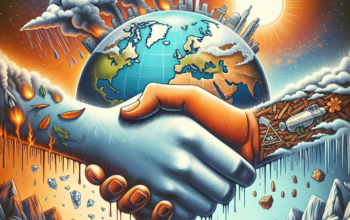
In 2025, addressing climate change has become a paramount concern globally, yet it simultaneously highlights the tensions between nationalism and global cooperation. Nationalist policies often prioritize immediate national economic interests, sometimes sidelining commitments to international climate agreements. Countries like Brazil and the U.S., for instance, have grappled with balancing national industry and environmental responsibilities, showcasing the friction between pursuing economic growth and acting for global ecological health. This often results in criticism from the international community, indicating that nationalist agendas can undermine collective efforts to combat planetary crises.
Conversely, the urgency of climate change has sparked a new wave of environmental nationalism, where movements advocate for restoration and protection of the national environment. Nations are increasingly emphasizing pride in local biodiversity and ecosystems while fostering sustainable practices that promise long-term national benefits. This form of nationalism can coordinate efforts among citizens to engage with climate issues from a national standpoint. Ultimately, climate change presents both a challenge and an opportunity for redefining nationalism in a way that is conscientious of global consequences and cooperative efforts, urging us to rethink what national interest truly means in an interconnected world.
Globalization vs. Nationalism: The Ongoing Debate
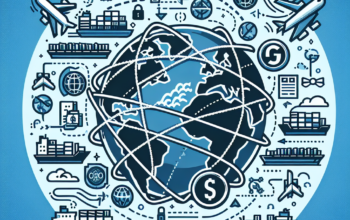
The interplay between globalization and nationalism is a pivotal aspect of today’s political discourse. While globalization brings economic integration, cultural exchange, and technological advancements, it also fuels nationalistic backlash as communities feel threatened by external influences. In 2025, many regions are witnessing an increasing divide, where individuals perceive globalization as a force that erodes traditional values, identities, and jobs. Political parties across Europe and North America are capitalizing on these fears to promote nationalist agendas, advocating policies that restrict immigration and protect local industries.
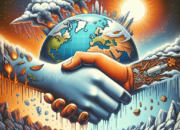
Yet, globalization has also provided a platform for cross-national solidarity movements. Activists fighting for climate justice, workers’ rights, and social equity across borders demonstrate that the challenges faced by nations are often interconnected. The rise of global protest movements serves as a reminder that fostering nationalism need not come at the expense of international cooperation. The challenge lies in finding a synergistic approach that embraces the positive aspects of both nationalism and globalization, paving the way for policies that respect cultural identities while recognizing our collective global responsibilities.
Conclusion
As we evaluate nationalism in the modern political landscape of 2025, it becomes evident that nationalism is not a monolithic ideology; rather, it is multifaceted and constantly evolving. The interplay between nationalism, technology, economic policies, climate change, and global issues shapes its manifestations and impacts around the world. While nationalism can foster a sense of pride and identity, it also poses challenges to global cooperation and inclusivity. Understanding the dynamics of nationalism is crucial for establishing effective responses to the political, social, and environmental challenges we face today. By striking a balance between the local and the global, societies can navigate the complexities of nationalism while forging a path toward sustainable growth and collective well-being.
FAQs
What is nationalism, and how has it evolved in recent years?
Nationalism is a political ideology that prioritizes national identity and interests. In recent years, it has evolved to include varied forms such as cultural, civic, and ethnic nationalism, each pandering to different aspects of identity and inclusion.
How has the COVID-19 pandemic affected nationalist movements?
The pandemic heightened nationalist sentiments, emphasizing self-reliance and domestic priorities. However, it also revealed the need for global cooperation, challenging exclusive nationalist policies as nations grappled with global health challenges.
What role does technology play in contemporary nationalism?
Technology facilitates the rapid spread of nationalist ideologies through social media, allowing groups to mobilize and communicate effectively. Conversely, it also empowers counter-movements advocating for inclusion and diversity.
Can nationalism and globalization coexist?
Yes, nationalism and globalization can coexist. While nationalism can lead to protectionism, there are opportunities for fostering local identities within the framework of global cooperation to tackle shared challenges.
What are some challenges posed by nationalism in addressing climate change?
Nationalism can lead to prioritizing national interests over global responsibilities, potentially undermining international climate agreements. However, it can also foster environmental nationalism, where local issues are addressed in the context of global ecological health.