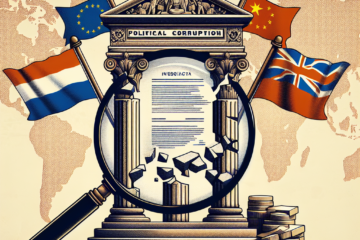
Evaluating the Effectiveness of Current Political Reform Strategies

Evaluating the effectiveness of current political reform strategies is a vital task for understanding how to improve governance and accountability in democratic systems. As we navigate the complex political landscapes of 2025, examining the successes and failures of various reform initiatives helps us identify best practices and areas for improvement. With grassroots movements, international collaborations, and socio-political dynamics continually evolving, there has never been a greater need for an in-depth analysis of how reform strategies are shaped and implemented.
Understanding Political Reform Strategies in Contemporary Context
Political reform strategies have emerged as essential instruments in shaping democratic governance across the world. In 2025, an increasing number of governments and civil societies are focused on enhancing transparency, accountability, and inclusiveness within political systems. At the core of these reform strategies are a range of initiatives, from electoral reforms aimed at improving democratic legitimacy to anti-corruption measures designed to restore public trust. The global political environment mandates that these reforms not only address immediate issues but also anticipate future challenges posed by technological advancements and shifting public expectations.
Effective political reform requires a comprehensive understanding of the socio-economic and cultural contexts from which it emerges. Strategies that have proven successful in one nation may falter in another due to differences in political history, institutional frameworks, and civil society engagement. Therefore, it is crucial to tailor reform efforts to address local issues while still aligning them with global democratic principles. This nuanced approach can help minimize resistance to change and foster a sense of ownership among stakeholders involved in the reform process.
Measuring Success: Metrics and Methods for Evaluating Political Reform
Evaluating the effectiveness of current political reform strategies demands a robust framework for measuring success. Key performance indicators (KPIs), such as voter turnout, public satisfaction surveys, and levels of government accountability, offer valuable insights into the impact of reforms. In 2025, with advancements in data analytics and citizen feedback mechanisms, governments are leveraging technology to gather real-time data and assess the health of their democratic institutions. This data-driven approach enables policymakers to make informed decisions and adjust strategies based on empirical evidence.
Moreover, qualitative assessments focusing on citizen perceptions and engagement levels can further enrich our understanding of reform impact. Initiatives that include citizen consultations, participatory budgeting, and public forums can illuminate how reforms resonate with the populace. By combining quantitative metrics with qualitative insights, political reform evaluations can present a more holistic view of effectiveness, allowing for strategic adjustments that better meet the needs of communities.
The Role of Technology in Political Reform Strategies
In 2025, technology serves as a double-edged sword in political reform strategies. On one hand, it provides tools that enhance transparency, streamline processes, and foster greater citizen participation. For instance, e-governance platforms have emerged in numerous countries, enabling citizens to access public services, engage in policy discussions, and provide feedback through digital channels. These innovations not only simplify bureaucratic processes but also empower citizens to take an active role in governance, ultimately driving accountability.
However, the use of technology in political reform is not without challenges. Issues such as data privacy, cybersecurity threats, and digital exclusion raise critical concerns about equitable access to reform benefits. Additionally, misinformation campaigns fueled by social media platforms can undermine trust in democratic processes and obstruct meaningful dialogue. Thus, while technology has the potential to bolster political reform efforts, it must be wielded with caution and accompanied by robust regulatory frameworks to ensure that it serves as a force for good in the political realm.
Pathways to Effective Political Reform: Lessons from Around the Globe
A comparative analysis of political reform strategies globally reveals a wealth of lessons that can inform future initiatives. Countries that have successfully implemented reforms often share common characteristics: strong civic engagement, cohesive coalitions among diverse stakeholders, and a commitment to iterative processes. For example, New Zealand’s extensive reforms in electoral processes have been characterized by an inclusive approach that involved citizen consultations and bipartisan cooperation. As a result, public trust in the electoral system has strengthened, leading to increased voter participation and more representative governance.
Conversely, political reform efforts that have failed frequently exhibit a top-down approach lacking genuine stakeholder involvement. For instance, in some authoritarian regimes, superficial reforms aimed at appeasing international observers have led to public disillusionment and a lack of legitimacy. These experiences underscore the importance of nurturing a participatory culture within reform initiatives, recognizing that enduring change requires the active engagement of a politically literate citizenry.
Furthermore, tracking the long-term impacts of political reform requires sustained political will and accountability mechanisms. Reforms should not be viewed as singular events, but rather as ongoing processes necessitating continual reflection and adaptation. Countries that have institutionalized regular assessments of reform impacts report higher rates of success, showcasing the value of adaptive strategies based on stakeholder feedback and evolving political realities.
Challenges Facing Political Reform Initiatives
Despite the potential benefits of political reform, various challenges hinder their implementation and effectiveness. One of the primary obstacles is entrenched political resistance from established power structures that perceive reform as a threat to their authority. This resistance can manifest in various ways, including legislative bottlenecks, public misinformation campaigns, and even violence against activists advocating for change. In 2025, as populism and nationalism rise in certain regions, understanding these dynamics is essential for developing effective reform strategies that can navigate hostile political landscapes.
Economic factors also play a crucial role in the success of political reform initiatives. Countries experiencing economic turmoil often prioritize immediate stability over long-term reforms, resulting in a stalled political landscape. In many cases, governments struggle to implement necessary changes due to limited financial resources, which can exacerbate public frustration and lead to increased volatility. Consequently, it becomes crucial for reform strategies to encompass economic elements, fostering an understanding that political progress often relies on broader socio-economic stability.
Finally, the global nature of political discourse in 2025 presents both opportunities and obstacles for reform. The rise of digital activism and international coalitions can bolster local movements but may also dilute the focus on specific national issues. To effectively engage with global dialogues on reform, local advocates must balance global insights with personalized approaches that resonate with local contexts. This can foster a more nuanced understanding of how political reform strategies can align with international standards while remaining sensitive to the needs and priorities of local communities.
Future Directions for Political Reform Strategies
Looking forward, the effectiveness of political reform strategies will increasingly hinge on their ability to adapt to rapidly changing political, technological, and social landscapes. In 2025, it is evident that flexibility and responsiveness are essential characteristics of successful reforms. As new challenges, such as climate change, social inequality, and evolving digital landscapes, emerge, reform strategies must evolve to address these complex interconnections. Policymakers are encouraged to adopt an anticipatory approach that proactively considers future scenarios in the design of reform efforts.
Collaboration among diverse stakeholders—governments, civil society, the private sector, and academic institutions—will play a pivotal role in shaping the future of political reform. Multidisciplinary partnerships can foster innovative solutions that leverage strengths from each sector, creating a synergistic approach to reform efforts. Engaging in cross-sector dialogue allows for collective problem-solving, ensuring that political reform strategies are coherent and contextually relevant.
Lastly, the intersection of democracy and technology will increasingly shape the landscape of political reform. As artificial intelligence, blockchain, and other emerging technologies continue to disrupt traditional governance models, integrating these innovations into reform strategies will be essential. This can include enhancing electoral integrity through secure voting technologies, fostering inclusivity through digital platforms for public consultation, and utilizing big data for informed governance. Navigating these trends thoughtfully will be crucial for ensuring that political reform strategies not only address current challenges but also position democracy effectively for the future.
Conclusion
Evaluating the effectiveness of current political reform strategies in 2025 is essential for fostering resilient democracies capable of adapting to emerging challenges. By understanding the intricacies of reform implementation, measuring success through comprehensive metrics, and learning from global examples, stakeholders can develop more effective strategies that resonate with citizen needs. As the political landscape continues to evolve, embracing technology, collaboration, and adaptive approaches will be critical in ensuring that political reform remains relevant and impactful.
FAQs
What are political reform strategies?
Political reform strategies refer to initiatives aimed at improving governance, accountability, and democratic processes within political systems. These can include electoral reforms, anti-corruption measures, public engagement initiatives, and structural changes to governmental institutions.
How do we measure the effectiveness of political reform?
The effectiveness of political reform can be measured through quantitative metrics such as voter turnout, government accountability indices, and public satisfaction surveys, alongside qualitative assessments that examine citizen perceptions and engagement in the reform process.
What challenges do political reform initiatives face?
Challenges include political resistance from entrenched power structures, economic constraints, lack of public understanding, and the need to navigate complex global dynamics that may impact local reform efforts.
How can technology enhance political reform?
Technology can enhance political reform by improving transparency and accessibility through e-governance, facilitating citizen engagement via online platforms, and providing data-driven insights that allow for responsive and informed policymaking.
What lessons can be learned from successful political reforms around the world?
Successful political reforms often involve strong civic engagement, inclusive processes that incorporate diverse stakeholder perspectives, and mechanisms for continuous evaluation and adaptation to reflect public needs and changing political contexts.