Exploring the Intersection of Voter Rights and Racial Justice
Exploring the Intersection of Voter Rights and Racial Justice
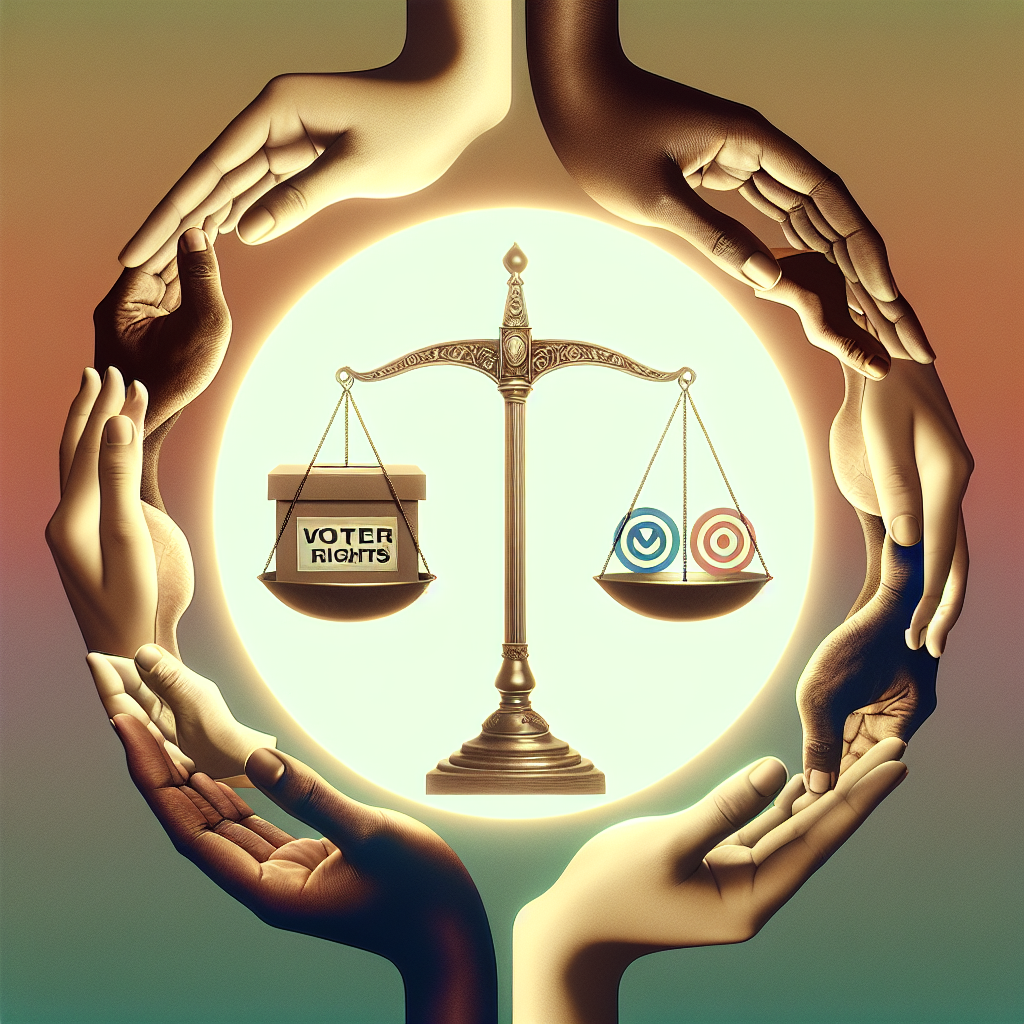
The intersection of voter rights and racial justice is a critical and pressing issue in contemporary society, particularly as we progress through 2025. As communities strive for equitable representation, barriers to voting continue to disproportionately affect racial and ethnic minorities. This article delves into the complex relationship between voter rights and racial justice, examining historical context, current challenges, and the ongoing fight for equality. By shedding light on these interconnected issues, we can better understand the importance of advocating for voter rights as an essential component of racial justice.
Understanding Voter Rights: A Historical Perspective
The history of voter rights in the United States is deeply intertwined with the struggle for racial justice. The Voting Rights Act of 1965 was a landmark piece of legislation that aimed to eliminate discriminatory practices that disenfranchised African Americans and other racial minorities. This act addressed numerous tactics, such as literacy tests, poll taxes, and outright intimidation that were used to suppress black voters. The Act was instrumental in empowering millions of African Americans to participate in the electoral process, which was a significant stride toward racial justice.
However, progress has not been linear. Over the years, certain factions have sought to undermine these hard-won rights, often targeting specific voter demographics. For instance, in recent years, voter ID laws and purging of voter rolls have resulted in significant barriers for racial minorities. These tactics are often justified under the guise of preventing voter fraud but disproportionately affect communities of color, demonstrating the ongoing struggle against systemic inequities within the voting process.
Current Challenges in Voter Access for Racial Minorities
Despite the substantial progress made since the 1960s, the fight for equitable voter access remains fraught with challenges. In 2025, many states have enacted legislation that makes it more difficult for minorities to exercise their voting rights. For instance, certain states have introduced stringent voter ID laws, which, while purportedly aimed at ensuring election integrity, create significant obstacles for many voters of color who may not have the required identification. Additionally, these laws often fail to consider the financial and logistical burdens that accompany securing such ID, compounding existing inequalities.
Another pressing issue is the gerrymandering of districts. This practice allows political parties to redraw electoral districts to benefit their interests, often undermining the representation of racially diverse communities. In 2025, several high-profile court cases continue to challenge these practices, emphasizing their damaging effects on political representation for communities of color. By diluting their voting power, gerrymandering exacerbates long-standing inequalities and perpetuates a cycle of disenfranchisement.
The Role of Activism in Promoting Racial Justice Through Voter Rights
In addressing the intersection of voter rights and racial justice, activism plays a crucial role. Organizations dedicated to civil rights, such as the NAACP and the ACLU, have been at the forefront of efforts to protect voter rights for marginalized communities. Through grassroots mobilization, educational campaigns, and legal challenges, these organizations work tirelessly to combat discriminatory laws and practices that hinder access to the ballot. In 2025, their efforts are driven by a new generation of activists who leverage technology and social media to raise awareness and galvanize support for the cause.
Moreover, coalition building among various civil rights groups has gained momentum, creating a united front advocating for comprehensive voting reform. This intersectional approach recognizes that voter rights are inherently linked to issues such as economic disparity, healthcare access, and education—factors that disproportionately impact people of color. By making these connections, activists strive to create a holistic understanding of the barriers facing racially marginalized communities and devise strategies for comprehensive change.
Additionally, young voters have emerged as a crucial demographic in the ongoing battle for equity in the electoral process. In 2025, the mobilization of first-time voters, particularly from diverse backgrounds, reflects a shift in societal engagement and political consciousness. Educating young people about their rights and the importance of participating in elections fosters a culture of activism and empowerment, ensuring that their voices are represented in shaping the future of their communities.
The Intersection of Technology and Voter Rights in 2025
As technology continues to advance, its impact on voter rights and racial justice cannot be overlooked. In 2025, digital tools and platforms have become essential for voter education, outreach, and mobilization efforts. Organizations utilize social media to disseminate information about voting rights, deadlines, and procedures, helping to mitigate misinformation that can confuse or intimidate potential voters. Additionally, online registration and absentee voting initiatives have made it more accessible for many, particularly those who may face challenges in reaching polling places.
However, the digital divide poses a significant challenge, as not everyone has equal access to technology. In many low-income communities, particularly those predominantly inhabited by people of color, access to reliable internet and digital resources remains limited. This disparity raises concerns about the fairness of technology-driven voting solutions and the potential for further marginalizing vulnerable populations. As advocacy groups continue to push for broad access to technology, the need for inclusive solutions becomes increasingly urgent.
Furthermore, emerging technologies like blockchain and artificial intelligence are being explored to enhance election security and integrity. These innovations promise to protect against fraud and ensure transparency in the electoral process. However, they also raise ethical questions about data privacy and the potential for bias in algorithm-driven decision-making. It is essential that as we embrace technology to enhance voter rights, we prioritize equity and fairness to ensure that all voices are heard.
Moving Toward a More Equitable Future
Realizing the goal of racial justice through voter rights requires comprehensive policy changes and collective action. In 2025, lawmakers and activists are pushing for reforms to abolish discriminatory practices and introduce measures that promote inclusivity. Proposals include automatic voter registration, extending voting hours, and mandating that all polling places are fully equipped to accommodate all voters. Such measures aim to create an equitable voting environment where all individuals, regardless of race or background, have the opportunity to participate in democracy.
Additionally, fostering a dialogue around systemic racism and accountability within political institutions is crucial in advancing this cause. Engaging community members in discussing the historical context of racial disenfranchisement can enlighten and mobilize citizens to advocate for necessary reforms. Educational initiatives that focus on the history of voting rights and their connection to racial justice cultivate a sense of purpose and urgency, empowering individuals to become effective advocates.
Ultimately, the path forward demands sustained commitment from all levels of society—grassroots organizers, community leaders, legislators, and citizens alike. By building strong networks of support and prioritizing equity and justice in all aspects of the electoral process, we can forge a brighter future where voting rights and racial justice are not only recognized but valued as fundamental human rights.
Conclusion
In conclusion, understanding the intersection of voter rights and racial justice is essential in our ongoing struggle for equality as we move through 2025. From the historical milestones of the Voting Rights Act to the current challenges posed by discriminatory legislation, it is evident that the fight for equitable access to the ballot box is far from over. Through activism, advocacy, and technology, communities continue to strive toward realizing a more just society. By preserving the hard-won gains of the past and pushing for comprehensive reforms, we can ensure that every voice is heard, and every vote matters.
FAQs
What is the Voting Rights Act of 1965?
The Voting Rights Act of 1965 is a landmark piece of federal legislation in the United States designed to eliminate racial discrimination in voting, specifically targeting practices that disenfranchised African American voters and other minorities.
What are some current barriers to voting for racial minorities?
Current barriers include voter ID laws, gerrymandering, limited access to polling places, and misinformation about voting processes, which disproportionately affect racial and ethnic minorities.
How can technology promote voter rights?
Technology can enhance voter rights by facilitating online registration, providing information about voting rights, and ensuring election security through innovations like blockchain and AI, provided that access to technology is equitable for all communities.