Global Perspectives on Democracy: Trends and Challenges
In an increasingly interconnected world, the concept of democracy is evolving, reflecting the complex realities of modern global society. As we navigate through the year 2025, various trends and challenges have emerged that shape global perspectives on democracy. From the rise of digital governance to the persistent threats of authoritarianism, understanding these dynamics becomes essential for policymakers, scholars, and citizens alike. This article delves into the multifaceted nature of democracy today, examining prevalent trends and heightening challenges that warrant global attention.
Understanding Global Democratic Trends
Global democracy in 2025 exhibits a myriad of trends that mark its evolution. One prominent trend is the increasing influence of technology in democratic processes. With the acceleration of digital tools, citizens more than ever engage in political discourse and decision-making. Governments are adopting digital platforms for transparency, allowing constituents to access information and participate in governance actively. However, this shift comes with challenges, including the potential for misinformation, data privacy concerns, and unequal access to technology. Countries like Estonia exemplify the successful integration of technology in their democratic systems, demonstrating both the benefits and pitfalls of such an approach.
Another critical trend is the growing awareness of social inequalities impacting democratic participation. Globally, movements advocating for social justice—such as those centered on racial equality, gender rights, and LGBTQ+ rights—are reshaping the political landscape. In 2025, these issues are increasingly recognized within democratic frameworks, compelling governments to adopt inclusive policies. Yet, while such movements challenge the status quo, they also face backlash from reactions against perceived “political correctness,” illuminating the ongoing struggle between progressive ideals and conservative values within democracies around the world.
The Impact of Authoritarianism on Democracy
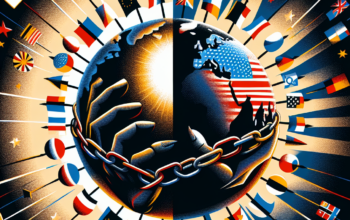
In direct contrast to democratic aspirations, the resurgence of authoritarianism presents significant challenges in 2025. Several nations have witnessed a shift toward autocratic governance, undermining democratic institutions and silencing dissenting voices. Leaders in countries such as Hungary and Turkey have consolidated power by eroding checks and balances, manipulating electoral processes, and stifling free press. This trend poses a serious threat to democracy, as it not only limits the political freedoms of citizens but also creates a dangerous precedent that may inspire other leaders to follow suit.
Moreover, the influence of authoritarianism extends beyond national borders through strategic partnerships and alliances. For instance, countries with authoritarian regimes often collaborate to undermine democratic principles, creating a more globalized threat to democratic governance. This interconnectedness emphasizes the need for robust international responses that support democratic norms while effectively countering autocratic influences.
Climate Change and Its Relationship to Democracy
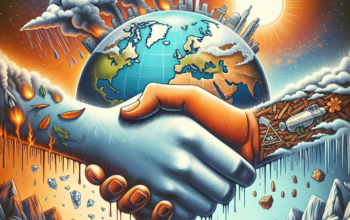
An often-overlooked aspect of global democracy in 2025 is the urgent challenge of climate change. Environmental instability increasingly strains democratic governance, as nations grapple with resource scarcity, forced migration, and public health crises. The climate crisis has prompted a reevaluation of democratic accountability, calling for governments to act decisively while addressing the needs of their most vulnerable populations. As citizens demand action to curb climate change, incorporating environmental justice into democratic discourse becomes vital.
Furthermore, climate-related issues have the potential to exacerbate existing inequalities. Marginalized communities often bear the brunt of environmental degradation and climate impacts, highlighting a significant inconsistency within democratic ideals of equality and justice. The rise of grassroots environmental movements and international coalitions signifies a push for actionable change and accountability from elected officials, revitalizing the essence of democracy as a system that strives for collective well-being.
Lastly, the relationship between climate change and democracy underscores the importance of global cooperation. As nations confront this unprecedented challenge, fostering international dialogue and collaboration is crucial for developing sustainable solutions. These global efforts can help to revitalize democratic institutions, demonstrating that effective governance is paramount, not just for addressing climate change but for upholding democratic values worldwide.
The Role of Youth in Shaping Democratic Futures
As we progress through 2025, the role of youth in shaping democratic futures cannot be overstated. Young people are increasingly taking the lead in redefining political discussions and mobilizing for change through various platforms. Movements such as Fridays for Future and Black Lives Matter have highlighted how youth activism can challenge entrenched political systems and demand accountability. Educated and tech-savvy, this generation uses social media to amplify their messages, harnessing the power of digital tools to advocate for their ideals. This shift marks a concrete change in how democracy is engaged with and perceived among younger voters, emphasizing the need for robust platforms where their voices can be acknowledged and prioritized.
However, the engagement of youth in political discourse also faces barriers, including disillusionment with existing political systems and the perception of politics as stagnant or unresponsive to their concerns. To mitigate these challenges, democratic societies must prioritize creating inclusive environments that listen to and amplify youth perspectives. Initiatives focused on civic education can galvanize interest and participation in politics among younger generations, ensuring that their views contribute significantly to shaping the policies that impact their lives.
Furthermore, as the global population ages, the responsibilities of defending and advancing democracy increasingly rest on the shoulders of the youth. By fostering a culture of engagement, governments and organizations can begin to close the gap between established power structures and emerging voices. Supporting youth leadership initiatives and providing them with tools for political participation will enable the next generation to advocate effectively for their rights and interests.
Strengthening Democratic Resilience
Navigating the challenges of democracy in 2025 necessitates strengthening its resilience. One fundamental approach involves reinforcing the rule of law and independent judicial systems. As democracy faces threats from authoritarianism and populism, ensuring that these pillars remain robust and unyielding is essential for maintaining citizen trust and safeguarding individual freedoms. A judiciary that is free from political manipulation acts as a critical buffer against abuses of power, ensuring accountability and the protection of democratic principles.
In addition to solidifying the rule of law, enhancing citizen engagement is vital. Inclusive democratic practices that promote participation from diverse demographics not only empower communities but also strengthen the legitimacy of democratic processes. Engaging communities in policy-making decisions fosters a sense of ownership and accountability, promoting vested interest in governance. Strategies such as participatory budgeting can enable citizens to influence local economic decisions, fostering a more profound connection between the electorate and its representatives.
Finally, a global commitment to promoting democratic values through international collaboration is crucial in this age of discontent. By fostering international platforms for dialogue, countries can share best practices and strategies for preserving democracy. Collaborative initiatives focused on supporting free and fair elections, civil society building, and media freedom highlight the importance of solidarity in addressing the common challenges faced by democracies worldwide. Attention to these collaborative efforts can pave the way for a more resilient global democratic framework, capable of weathering emerging challenges.
Conclusion
As we analyze global perspectives on democracy in 2025, it is evident that significant trends and challenges characterize this dynamic landscape. From the impacts of technology and the resurgence of authoritarianism to the urgent demands of youth and climate change advocacy, democracy continues to evolve in complex ways. A multi-faceted approach is required to enhance democratic resilience, emphasizing citizen engagement, the rule of law, and international collaboration. By acknowledging the inherent challenges and leveraging the emerging trends, societies can work towards a more vibrant and inclusive democratic future.
FAQs Section
What is the current state of democracy worldwide in 2025?
In 2025, democracy faces a mixed landscape characterized by both advancements in citizen engagement and the resurgence of authoritarianism in several countries. While some nations embrace democratic reforms, others face significant setbacks, marking an era of resilience and resistance.
How has technology influenced democracy in recent years?
Technology has transformed the democratic process by facilitating greater access to information and citizen participation. However, it has also introduced threats such as misinformation and privacy concerns that challenge the integrity of democratic practices.
What role do youth play in shaping democracy today?
Youth actively shape contemporary democracy through activism and digital engagement, advocating for progressive changes and social justice. Their involvement is crucial for bringing forth new ideas and ensuring democratic systems remain responsive to the needs of future generations.
What can be done to combat authoritarianism?
Combating authoritarianism requires a multifaceted approach that emphasizes strengthening civil society, ensuring free media, upholding the rule of law, and promoting international collaboration to defend democratic practices.
How does climate change impact democratic governance?
Climate change exacerbates existing inequalities and poses new challenges for policy-making, demanding that democratic governments adapt to address both environmental sustainability and social justice, thus reshaping their engagement with citizens.