Global Refugee Crisis: A Political Challenge for Nations
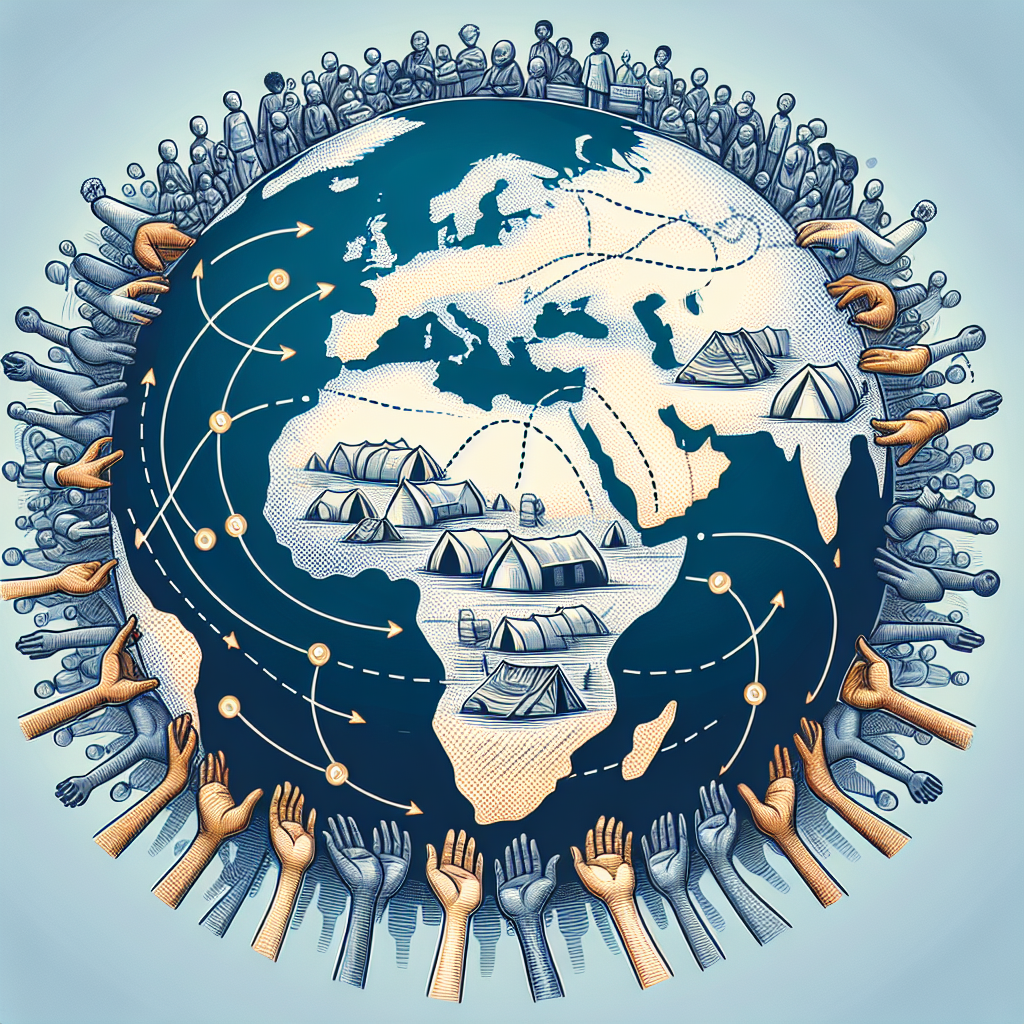
Global Refugee Crisis: A Political Challenge for Nations
The global refugee crisis is one of the most pressing humanitarian issues of our time, encompassing millions of individuals fleeing conflicts, persecution, and disasters. As of 2025, the number of forcibly displaced people has risen to unprecedented levels, with over 89 million refugees and displaced persons worldwide, according to the latest UNHCR reports. This geopolitical dilemma poses significant challenges to nations as they navigate complex humanitarian, political, and economic landscapes. This article will delve into the nuances of the global refugee crisis, examining its causes, implications, and the resultant challenges facing nations.
Understanding the Causes of Global Displacement
The roots of the global refugee crisis are deeply intertwined with ongoing conflicts, geopolitical instability, and climate change. Ongoing wars in countries like Syria, Afghanistan, and Yemen have generated millions of refugees fleeing violence and persecution. As of 2025, the Syrian civil war remains a primary catalyst for displacement, with over 6.6 million Syrians currently living as refugees, particularly in neighboring countries like Turkey, Jordan, and Lebanon. The international community faces the challenging task of addressing the immediate humanitarian needs of these displaced populations while seeking sustainable solutions to the underlying conflicts driving them away from their homes.
Moreover, climate change is increasingly recognized as a crucial factor in forced migration. Rising sea levels, extreme weather events, and environmental degradation have made certain regions uninhabitable, prompting populations to seek refuge elsewhere. For example, small island nations like the Maldives are at the forefront of climate-induced displacement, as rising waters threaten their very existence. The intersection of conflict and environmental change complicates the political landscape even further, as nations grapple with how to respond to this growing crisis.
The Impact of Global Refugee Crisis on Host Nations
The influx of refugees places a considerable strain on host nations, both economically and socially. Countries like Turkey and Lebanon have borne the brunt of the Syrian refugee crisis, accommodating millions of displaced persons with limited resources. As of 2025, Turkey hosts approximately 3.7 million Syrian refugees, impacting health care, education, and the job market. The growing number of refugees can lead to increased public spending and may strain social services, potentially causing unrest among local populations who may feel that their needs are being sidelined.
Social cohesion can also be tested as host nations grapple with integrating refugees into society. Language barriers, cultural differences, and competition for jobs can create friction between local and refugee communities. In many cases, political leaders exploit these tensions, using xenophobic rhetoric to further their agendas. Thus, while refugees come seeking safety and opportunity, the host nations must find a way not only to manage the influx but to promote societal harmony in the face of significant challenges.
Political Responses to the Refugee Crisis
Countries have reacted to the refugee crisis in various ways, reflecting differing political ideologies and public sentiments. Some nations, particularly in Europe, have implemented open-door policies, allowing refugees to seek asylum and integrate into society. Countries like Germany and Sweden have led the way, emphasizing the importance of humanitarian responsibility within the framework of international law. However, this approach comes with its difficulties, as integration can be a complex process filled with challenges, requiring substantial investments in community support services and infrastructure.
Conversely, other nations have adopted restrictive policies aimed at limiting the number of refugees admitted. The U.S. and Hungary, for example, have implemented strict border controls and reduced their refugee intake. Such policies often stem from concerns about national security and cultural integrity, portraying refugees as potential threats. The differing approaches taken by nations highlight the political divisions that the refugee crisis exacerbates, with many countries resorting to populist rhetoric to garner support from their constituents.
In the context of international cooperation, regional agreements and pacts among nations have emerged as vital strategies to manage refugee flows effectively. The 2018 Global Compact on Refugees, endorsed by multiple countries, emphasizes the need for shared responsibility and international solidarity in addressing the refugee crisis. As complexities continue to grow, the effectiveness of these multilateral agreements hinges on each nation’s willingness to uphold their commitments and collaborate towards sustainable solutions.
The Role of Global Organizations
Organizations such as the United Nations High Commissioner for Refugees (UNHCR) play a pivotal role in coordinating international responses to the refugee crisis. Founded to help protect the rights and well-being of refugees, the UNHCR provides crucial support, ranging from legal aid to education and health services. As of 2025, the UNHCR has partnered with various countries and NGOs to implement programs aimed at aiding both refugees and host communities. These initiatives highlight the importance of a comprehensive approach, striving to improve living conditions for displaced persons while bolstering local economies.
Non-governmental organizations (NGOs) are equally significant in addressing the challenges posed by the refugee crisis. Organizations like Médecins Sans Frontières (Doctors Without Borders) and Save the Children provide emergency medical assistance, psychological support, and education to vulnerable populations. Their efforts underscore the immense need for rapid response and immediate aid, especially in crisis scenarios where government support may be limited or lacking.
Despite their essential roles, global organizations face significant hurdles, including funding shortages and political obstacles. In recent years, donors have become increasingly hesitant to contribute, citing domestic challenges and economic constraints. This situation can impede the implementation of programs and the fulfillment of commitments made by nations under international agreements. As the challenges of the refugee crisis become more pronounced, the need for collaborative efforts and resources from global organizations is more critical than ever.
Future Implications and Solutions to the Crisis
Looking ahead, the global refugee crisis presents both challenges and opportunities for nations to innovate solutions. First and foremost, sustainable development policies that address the root causes of displacement are essential. By investing in peacebuilding initiatives in conflict zones and adapting policies to mitigate the effects of climate change, nations can help reduce the factors contributing to forced migration. Integrating refugees into the local economy through job programs and language training can also empower displaced individuals, allowing them to contribute to society and fostering a sense of belonging.
Additionally, the role of technology in addressing the refugee crisis cannot be understated. Solutions such as online education and telemedicine have the potential to bridge gaps faced by displaced populations. Organizations and governments can harness technology to create more efficient systems for managing refugee registrations and providing resources. However, access to technology must be equitable; thus, efforts should ensure that all refugees have the means to benefit from these innovations.
Finally, engaging local communities positively in the integration process can lead to more inclusive societies. By fostering understanding and empathy around refugees’ experiences and challenges, nations can combat xenophobia and create a more welcoming environment. Collaboration among government agencies, civil society, and refugees themselves to create community-driven solutions will be essential in forging more resilient societies amidst the ongoing challenges posed by the global refugee crisis.
Conclusion
The global refugee crisis as of 2025 continues to pose multifaceted challenges for nations worldwide. Understanding its complex causes, impacts, and the political frameworks surrounding it is crucial for devising effective strategies to address this pressing humanitarian issue. While the path ahead is fraught with difficulties, collaboration among nations, organizations, and communities has the potential to pave the way for innovative solutions and a more compassionate global response to the plight of refugees.
FAQs
What are the primary causes of the global refugee crisis?
The primary causes include ongoing conflicts, political persecution, human rights violations, and climate change. These factors compel individuals to flee their homes and seek safety in other nations.
How do host nations respond to the influx of refugees?
Host nations respond in various ways, including open-door policies that allow refugees to integrate and restrictive measures aimed at limiting intake. Responses are influenced by political ideologies, public sentiment, and perceived economic capacities.
What role do global organizations play in managing the refugee crisis?
Global organizations, like the UNHCR, coordinate international responses and provide essential support to refugees. NGOs also play a vital role by offering services such as healthcare, education, and emergency aid, helping bridge gaps in humanitarian response.
What are potential solutions to mitigate the refugee crisis?
Potential solutions include sustainable development policies in conflict zones, leveraging technology for information access and services, and engaging local communities in the integration process to foster understanding and acceptance of refugees.
How can countries collaborate to address refugee challenges?
Countries can collaborate through regional agreements, participating in international pacts like the Global Compact on Refugees, and sharing best practices for integrating refugees into their societies while addressing the crisis’s root causes.