How Analytics Are Changing the Game in Major League Baseball
How Analytics Are Changing the Game in Major League Baseball
The landscape of Major League Baseball (MLB) has undergone a seismic shift in recent years, driven by the increasing utilization of analytics. As of 2025, data-driven decision-making is not just a trend; it’s a fundamental aspect of the game that influences everything from player performance evaluations to game strategy. Analytics are changing the game in MLB by providing teams with the insights needed to make informed decisions, optimize player development, and enhance fan engagement. In this article, we will dive into the various ways analytics have revolutionized America’s pastime, shaping how teams compete, manage their rosters, and analyze performance.
Revolutionizing Team Strategies with Data Analytics
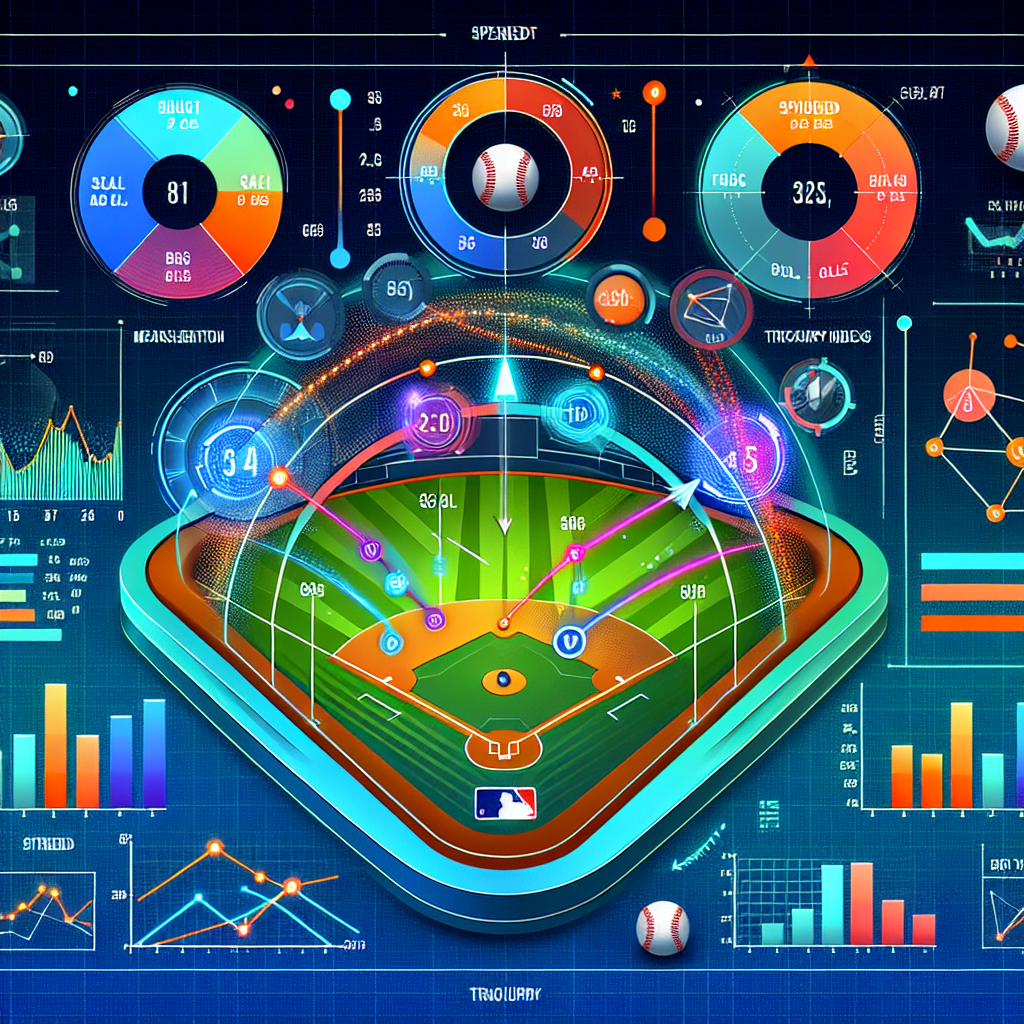
The introduction of advanced analytics into MLB has resulted in a fundamental shift in how teams develop their strategies. Gone are the days when baseball decisions were primarily based on intuition or traditional statistics. Today, teams rely on a wealth of data to determine everything from batting lineups to pitching rotations. Analytics tools such as Statcast provide real-time information on player movements, pitch velocity, and even the trajectory of balls in play, allowing teams to dissect every aspect of the game in unprecedented ways.
For instance, teams now employ sophisticated algorithms that analyze historical performance data and contextual factors to determine ideal matchups against opposing pitchers. By predicting how players will perform in various scenarios, teams can construct lineups that maximize their chances of success. Moreover, these advanced analytics enable organizations to adopt more aggressive strategies, such as shifting infielders to reduce the likelihood of base hits based on a batter’s hitting tendencies, completely altering traditional defensive alignments in the process.
Enhancing Player Evaluation Through Metrics
Analytics have redefined how teams evaluate player performance, moving beyond simple batting and pitching averages to intricate metrics such as Weighted On-Base Average (wOBA) and Fielding Independent Pitching (FIP). These advanced metrics provide a more accurate picture of a player’s contributions to their team, allowing organizations to make better-informed decisions regarding trades, signings, and player development.
In the 2025 season, the integration of player tracking technology and machine learning models has further enhanced evaluation methodologies. Teams are leveraging data from wearable technology that tracks player biomechanics and fatigue levels during practice and games. This information helps coaches develop personalized training schedules based on real-time performance metrics, ultimately leading to improved player outcomes, injury prevention, and longevity in a player’s career.
Data-Driven Scouting and Recruitment Strategies
The impact of analytics extends beyond in-game strategy to the scouting and recruitment processes. Teams can analyze vast databases of amateur and professional player performance to identify potential stars before they reach the big leagues. Advanced scouting reports now include in-depth analytical categories, allowing teams to assess a player’s future potential with greater accuracy.
MLB teams have begun utilizing predictive analytics to forecast player growth and development. By employing machine learning algorithms trained on years of historical data, teams can assess a young player’s trajectory and evaluate whether they would be a good fit for their organization. This method has been particularly advantageous in the 2025 draft, where teams are keen on finding hidden gems through the combination of traditional scouting methods and analytics, allowing them to secure emerging talent that might otherwise go unnoticed.
In addition, data-driven decision-making has led to more informed international scouting strategies. By analyzing foreign player performance metrics alongside established benchmarks from MLB players, teams can make calculated investments in international signings, thus expanding their talent pool.
Fan Engagement and Experience Through Analytics
Analytics are also transforming the fan experience, moving beyond player performance insights to enhance engagement and enjoyment of the game. MLB teams are using data analytics to personalize marketing campaigns and tailor game-day experiences. By analyzing fan behavior and preferences, teams can create targeted promotions, special events, and merchandise offerings that resonate more deeply with their audience.
Moreover, advanced analytics are being integrated into broadcast technologies, providing fans with real-time statistics and insights during games. Enhanced graphics and data visualizations make it easier for spectators to understand the nuances of the game and deepen their appreciation for player abilities and game strategies. This interactive storytelling has proven effective in increasing game viewership and enhancing the overall fan experience.
Additionally, teams are activating data-driven solutions to enhance stadium experiences through mobile applications. These applications offer customized content, seat upgrades, and food and beverage options based on individual fan preferences, making each visit to the ballpark more enjoyable while maximizing team revenues.
Future Trends in Analytics within Major League Baseball
As we move deeper into 2025, the application of analytics in MLB is expected to evolve even further. One of the emerging trends is the incorporation of artificial intelligence (AI) in game analysis, allowing teams to simulate various game scenarios and outcomes to determine the most effective strategies. This AI-driven approach facilitates a quicker adaptation to changing game dynamics, enabling teams to make on-the-fly adjustments that were previously impossible.
Moreover, advancements in virtual and augmented reality (VR/AR) are becoming integral in training players. Organizations are experimenting with VR technology to recreate game situations, allowing players to practice their responses in a controlled environment. This innovative approach not only helps players hone their skills but also allows analysts to gather data on player decision-making in real-time.
Lastly, there is a tangible move toward transparency and collaboration in the analytics community. As more teams recognize the importance of shared knowledge, collaboration with universities and analytics firms is enhancing research and development prospects. This trend suggests that the next wave of advanced metrics will likely emerge from partnerships designed to leverage insights from both professional and academic fields.
Conclusion
In conclusion, analytics are undeniably changing the game in Major League Baseball, impacting nearly every facet of the sport from on-field tactics to player evaluation and fan engagement. The shift towards a data-driven approach has allowed teams to optimize their strategies, foster more accurate player assessments, and enhance the overall experience for fans. As we look ahead to the future of MLB, it is clear that analytics will continue to be a defining factor in the evolution of America’s pastime, ensuring that teams remain competitive in an ever-changing landscape.
FAQs
What are some key analytics metrics used in MLB today?
The most prevalent metrics in modern baseball analytics include Weighted On-Base Average (wOBA), Wins Above Replacement (WAR), Fielding Independent Pitching (FIP), and Expected Weighted On-Base Average (xwOBA). These metrics go beyond traditional stats to provide a comprehensive view of a player’s overall performance and contributions to their team.
How do teams use analytics to develop players?
Teams use analytics to assess player performance, biomechanics, and fatigue levels. This information aids in developing personalized training regimens, optimizing practice sessions, and preventing injuries, ultimately improving player development and performance on the field.
In what ways are fans benefiting from analytics in MLB?
Fans benefit from analytics through enhanced engagement and personalized experiences. Data-driven insights help teams create targeted marketing strategies and improve game-day offerings, while advanced statistics and real-time data visualizations enrich the viewing experience, keeping fans informed and entertained during games.