The Future of Democracy in an Age of Authoritarianism
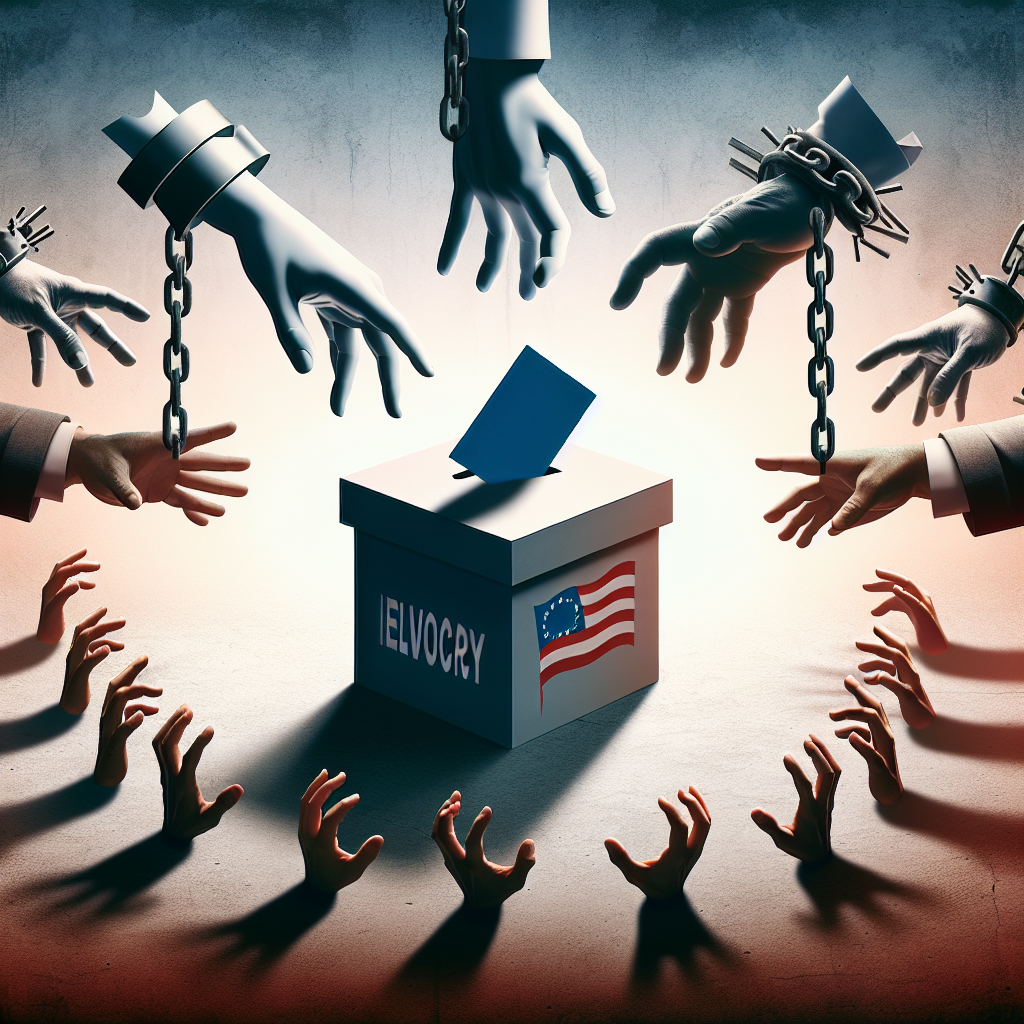
The world is currently witnessing a complex interplay between democracy and authoritarianism, especially in light of recent global events that have shaken the foundations of governance. As we step into 2025, it has become increasingly clear that understanding the future of democracy in an age of authoritarianism is crucial for preserving civil liberties and promoting societal well-being. This article will delve into the similarities and differences between democratic and authoritarian systems, the rise of authoritarianism in various regions, and the necessary actions to protect and strengthen democratic institutions.
Understanding Democracy and Authoritarianism in 2025
In 2025, democracy continues to be a vital aspect of many nations, representing the values of freedom, equality, and participation. However, the rise of authoritarianism poses significant challenges to democratic governance. Democracy is fundamentally rooted in the participation of an informed citizenry, where individuals have the right to vote, express dissent, and engage in civic life. In contrast, authoritarian regimes concentrate power in a single authority or a small group, restricting political freedoms and manipulating public opinion.
As we analyze the landscape of governance in 2025, it’s noteworthy that the struggle between democratic ideals and authoritarian tendencies is not binary but exists on a spectrum. Countries like Venezuela and Belarus highlight how authoritarianism can manipulate democratic practices, creating an illusion of legitimacy while undermining the core principles of governance. The increasing polarization and radicalization of political factions in democracies add another layer of complexity, leading to increased vulnerability to authoritarian tactics.
The Global Rise of Authoritarianism
The decade leading up to 2025 has observed a concerning global trend toward authoritarianism. Regions such as Eastern Europe and Asia have witnessed a resurgence of leaders who prioritize control over democratic engagement. In countries like Hungary and Turkey, the executive has increasingly centralized power, often implementing policies that suppress dissent and curtail press freedoms. This trend has been further exacerbated by the COVID-19 pandemic, where many governments leveraged emergency powers to extend their reach beyond what was necessary for public health.
Moreover, state-sponsored disinformation campaigns, cyber-warfare, and social media manipulation have integrated new methods of authoritarian control. The proliferation of digital surveillance creates a chilling effect on free speech and political dissent. As authoritarian governments invest heavily in technology to monitor and suppress civil liberties, the future of democracy faces a formidable challenge. Not only do these regimes use technology for surveillance, but they also manipulate platforms to stifle opposition voices and shape public discourse in their favor.
Reimagining Democratic Institutions
In the face of rising authoritarianism, the reimagining of democratic institutions and practices is critical. Political theorists and practitioners emphasize the need for innovation in governance to enhance citizen engagement, decentralize power, and restore public trust. One potential pathway involves strengthening local governments and community-based organizations, which can serve as incubators for democratic participation. By empowering local actors, democracies can address grievances more effectively and create a more responsive government structure.
Another essential aspect of reimagining democracy lies in the reform of electoral systems. In 2025, many democracies are exploring initiatives to improve electoral integrity and access. These could include automatic voter registration, expanded voting hours, and increased accessibility for marginalized groups. By ensuring that every citizen has a fair opportunity to participate in elections, democracies can mitigate the disenfranchisement that often fuels authoritarian populism.
Furthermore, educational reforms are imperative for fostering a knowledgeable and engaged citizenry. Critical thinking skills, media literacy, and civic education should be integrated into school curricula to prepare future generations to recognize and challenge authoritarian tactics. An informed public will likely resist authoritarianism more effectively and prioritize democratic values in their collective decision-making.
Strengthening Civil Society and Global Cooperation
Civil society organizations play a crucial role in defending democratic values and promoting social justice in an age marked by authoritarianism. In 2025, a thriving civil society is essential for holding governments accountable, providing a platform for dissenting voices, and fostering social cohesion. Increased collaboration between civil society groups, grassroots movements, and academic institutions can lead to more robust advocacy initiatives aimed at influencing policy change and addressing systemic injustices.
Global cooperation is also vital in confronting the challenges posed by authoritarianism. International organizations such as the United Nations and regional entities must prioritize the promotion of democratic governance and human rights. Efforts to impose diplomatic and economic sanctions on regimes that violate democratic norms can diminish authoritarian power. Collective action among democratic nations can also lead to shared strategies in combating misinformation and digital authoritarianism.
As democracies engage globally, they should also learn from one another’s experiences. The exchange of best practices in governance, transparency, and citizen engagement can help fortify democratic systems against authoritarian encroachments. Initiatives focused on building international solidarity in defense of democracy can solidify alliances among nations committed to upholding fundamental freedoms.
The Role of Technology in Preserving Democracy
The interplay between technology and democracy in 2025 highlights both the risks and opportunities that modern advancements present for governance. Technology has been harnessed to facilitate democratic engagement, allowing citizens to participate in governance processes via digital platforms. Online petitions, virtual town halls, and participatory budgeting are examples of how technology can enhance civic engagement and empower marginalized communities.
However, the same technologies that foster engagement can also serve as tools for oppression in authoritarian contexts. Mass surveillance, data manipulation, and censorship are rampant in many authoritarian regimes. Therefore, technologies such as blockchain and decentralized platforms have emerged as potential solutions to protect democratic practices and individual privacy. By ensuring the integrity of elections and securing personal data, these innovations could serve as bulwarks against authoritarian control.
In 2025, promoting a healthy digital landscape requires the establishment of comprehensive regulatory frameworks that balance innovation with ethical considerations. Data protection laws must safeguard individuals from abuses while ensuring transparency in government actions. Continued dialogue about ethical technology use for democracy is paramount to explore ways to counter authoritarian tactics and preserve the democratic space in the digital realm.
The Road Ahead: Strategies to Uphold Democratic Values
As we move forward in 2025, developing and implementing strategies to uphold democratic values is critical. This includes actively engaging citizens in the political process through educational outreach, public discourse, and community involvement. Initiatives that encourage dialogue across diverse perspectives can reduce polarization and foster mutual understanding.
Additionally, democracies must proactively identify and challenge authoritarian tendencies within their systems. This requires vigilance in observing potential erosion of democratic norms and engaging in efforts to recalibrate power dynamics that may favor elites. Anti-corruption campaigns and transparency initiatives serve as important measures to safeguard democratic capacities and restore public trust.
Finally, the global community must remain committed to advocating for democracy through diplomatic channels and international frameworks. Strategic partnerships can bolster efforts to combat the rise of authoritarianism and promote initiatives that strengthen democratic governance worldwide. Collective action rooted in a shared commitment to human rights and democratic values is essential as we navigate the challenges presented by authoritarianism in the years to come.
Conclusion
In conclusion, the future of democracy in an age of authoritarianism is fraught with challenges, yet there is hope through proactive strategies. By understanding the dynamics of authoritarianism and promoting the values of democratic governance, we can cultivate a resilient society. Reimagining democratic institutions, strengthening civil society, leveraging technology, and fostering global cooperation are essential elements for navigating this complex landscape. As we forge ahead into 2025 and beyond, the collective commitment of citizens, political leaders, and global actors will determine the trajectory of democracy against authoritarian encroachments.
FAQs
What impact does authoritarianism have on democracy?
Authoritarianism undermines democratic values by centralizing power, restricting free speech, manipulating electoral processes, and curtailing civil liberties. This creates a political environment where dissent is often met with repression and can significantly diminish public trust in democratic institutions.
How can citizens protect democracy in their countries?
Citizens can protect democracy by actively participating in the electoral process, advocating for transparency and accountability, and supporting civil society organizations. Education on civic rights and responsibilities is crucial for building an informed electorate capable of challenging authoritarian behavior.
What role does technology play in modern democracy?
Technology plays a dual role in democracy; it can enhance civic engagement and facilitate communication among citizens while also being exploited by authoritarian regimes for surveillance and control. Striking a balance between promoting democratic use of technology while safeguarding personal freedoms is essential.