How Drones are Changing the Landscape of Sports Broadcasting
Introduction
In 2025, the world of sports broadcasting continues to evolve rapidly, with drones taking center stage as transformative tools that change how we capture, analyze, and present sports events. These unmanned aerial vehicles have revolutionized how fans engage with their favorite sports, providing unique perspectives, enhancing real-time coverage, and improving operational efficiency for broadcasters. In this article, we will delve into how drones are changing the landscape of sports broadcasting, showcasing their benefits, applications, and potential challenges ahead.
The Impact of Drones on Sports Broadcasting
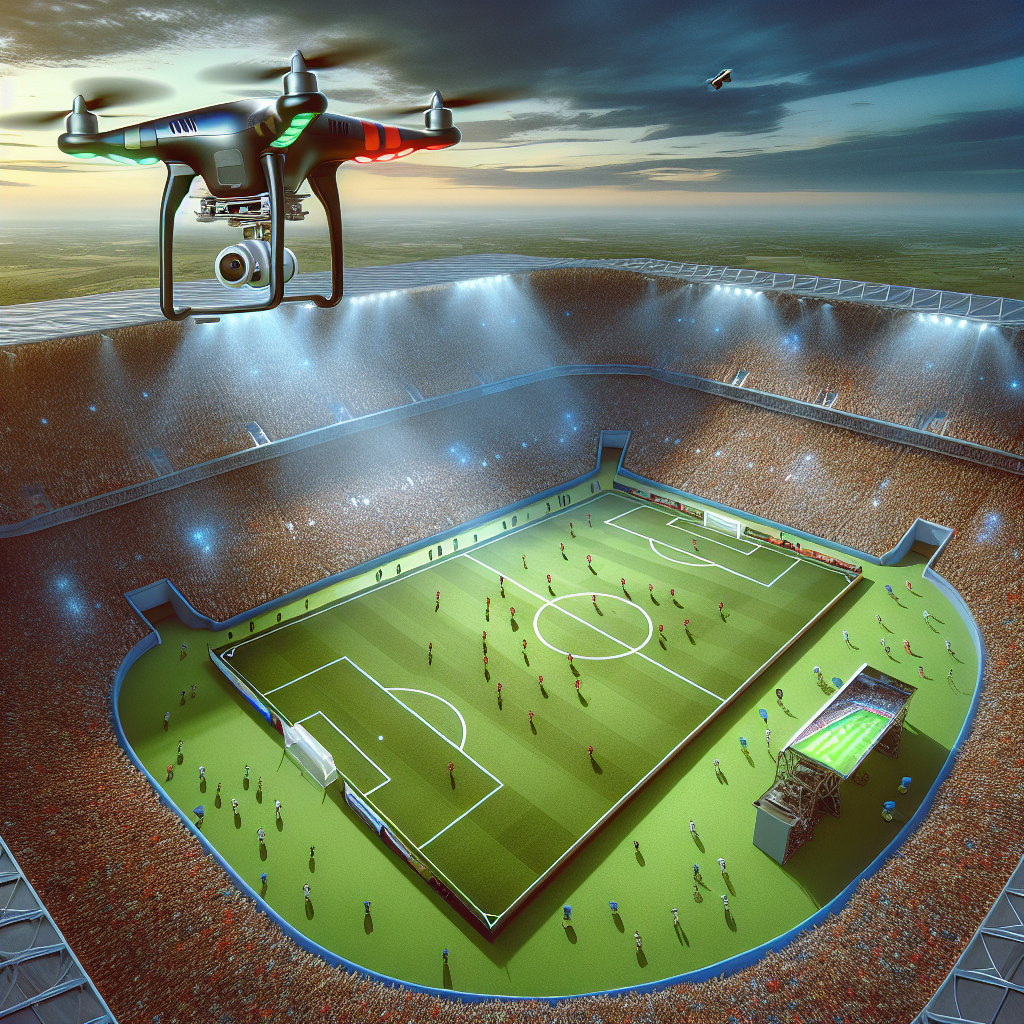
The integration of drones into sports broadcasting has significantly altered the landscape by introducing a new dimension to viewing experiences. Drones provide unique aerial views that were previously unattainable; broadcasters can use them to capture sweeping panoramic shots of stadiums, player huddles, and expansive fields of play. This new perspective allows fans to appreciate the scale and athleticism of sports in ways that traditional camera angles simply cannot offer. The result is enriched storytelling, helping to heighten the drama and excitement of live events.
Furthermore, the adoption of drone technology has enabled broadcasters to enhance sports analysis and commentary by delivering real-time data and visuals. For example, during a football match, drones can zoom in on specific player movements or formations, allowing analysts to break down plays with greater precision. This immediate access to diverse visual data aids commentators in providing deeper insights, thus elevating the overall understanding of the game for fans. As we embrace this technology further, the manner in which sports are discussed and analyzed will continue to evolve, establishing drones as essential tools for affluent sports broadcasting.
Innovations in Drone Technology for Live Sports Events
As technology continues to advance, the capabilities of drones have expanded, enabling them to fulfill diverse roles within sports broadcasting effectively. Modern drones now come equipped with high-definition cameras, stabilized gimbals, and extended flight ranges, making them ideal for the fast-paced nature of live sports. Advanced features like object tracking and automated flight paths ensure that drones can effortlessly follow the action, providing smooth and dynamic video feeds that complement traditional filming methods.
Additionally, AI-powered drones are changing the game by analyzing gameplay and making immediate adjustments to camera positioning. With machine learning algorithms, these drones can identify key moments, such as a goal or a significant tackle, and focus on those instances without manual operator intervention. This allows broadcasters to deliver highlight moments instantaneously, catering to an audience that increasingly expects instant gratification in their media consumption. Drones are not merely a trend but a technological evolution that ensures we capture the heart of sporting events in real-time.
Enhancing Fan Engagement with Drones
Fan engagement in sports has undergone a revolutionary transformation in 2025, thanks to drones. Leveraging this technology, broadcasters can create interactive viewing experiences that bring fans closer to the action than ever before. Using drone-captured footage, networks can offer augmented reality (AR) experiences, allowing viewers to virtually “fly” above the stadium or even participate in immersive game recaps. This innovation fosters a sense of connection and excitement for fans who may be attending remotely or who want to relive the event’s highlights from multiple angles.
Moreover, drones generate rich content that enhances social media presence and increases viewer reach. Behind-the-scenes footage, player interviews captured from unique angles, and immersive game recaps utilizing drone videos can easily be shared across platforms like Instagram, Twitter, and TikTok. This social media integration boosts fan engagement by offering exclusive glimpses that traditional broadcasting methods can’t offer, thereby making drone technology an integral part of a sport’s marketing strategy.
The potential for drones to carry cameras and streaming equipment for live broadcasts allows sports leagues and teams to engage with fans uniquely, including drone-captured live streams of special events like training sessions or athlete features. Ultimately, these innovations foster a culture of inclusion, where fans feel more connected to the teams and athletes they support.
Operational Efficiency and Cost-Effectiveness
The operational efficiency drones bring to sports broadcasting is undeniable. Compared to traditional camera equipment, drones are significantly more cost-effective to deploy. Aerial camera crews often require multiple high-angle cranes and extensive logistics, which can inflate production costs. Drones eliminate many of these expenses by providing aerial coverage at a fraction of the cost, making it easier for smaller organizations or independent broadcasts to deliver high-quality footage.
Moreover, drones can dramatically speed up the setup and operation time for broadcasts. On-site crews can deploy drones in minutes and capture breathtaking footage without the complex rigging required for traditional camera systems. This versatility allows sports broadcasters to be agile and responsive, adapting quickly to changes in the event or capturing unexpected moments that could become defining highlights of a game.
However, alongside these operational advantages come regulatory and safety challenges. Drone operators must comply with local regulations regarding airspace and safety, meaning additional considerations must be factored into the planning and execution of drone-based broadcasting. Navigating these regulations effectively is crucial for ensuring that drones can be used efficiently without posing risks to participants and spectators alike.
Future Challenges and Considerations in Drone Sports Broadcasting
While drones are transforming sports broadcasting, they also present unique challenges that need addressing. One crucial area of concern is the reliability of drone technology. Factors such as weather conditions, battery life, and signal interference can hinder a drone’s performance, potentially risking camera feeds during critical moments of a game. Ensuring that these technological risks are minimized is essential to prevent disruptions during live sports events.
Another significant challenge lies in public perception and privacy concerns. As drones become more widespread, athletes, teams, and events will inevitably face increased scrutiny and exposure due to the extensive surveillance capabilities of drones. Ensuring that teams and participants feel comfortable with drone use will require ongoing dialogue about privacy rights and video content distribution agreements.
Lastly, as drone technology evolves, the need for trained operators becomes paramount. With the growing complexity of drone systems, there will be a necessity to provide specialized training to ensure safe and effective usage within the dynamic environments of live sports. Adapting educational programs for new drone operators—and staying abreast of technological advancements—will be crucial for continued success in integrating drones into sports broadcasting.
Conclusion
Drones have undeniably transformed the landscape of sports broadcasting in 2025, providing new perspectives and enhancing viewer engagement through innovative technology. From unique perspectives that enrich storytelling to operational efficiencies that reduce costs, drones have become indispensable tools in sports media. However, as the adoption of drones expands, it’s vital to address the challenges and regulations surrounding their usage. Continuous innovation, training, stakeholder communication, and a focus on ethical considerations will ensure drones remain an asset in the ever-evolving world of sports broadcasting.
FAQs
1. How do drones enhance sports broadcasting?
Drones provide unique aerial perspectives, enhance real-time sports analysis, and enable interactive fan experiences, substantially elevating the quality of sports broadcasts.
2. What technological advancements are being used in drones for sporting events?
Modern drones feature high-definition cameras, AI for automated tracking, extended battery life, and capabilities for live streaming, improving the overall broadcast quality.
3. Are there regulatory concerns associated with using drones in sports broadcasting?
Yes, drone usage must comply with local regulations regarding airspace, safety protocols, and privacy rights, requiring careful planning and adherence to guidelines before broadcasts.
4. How do drones affect the cost of sports broadcasting?
Drones significantly reduce production costs compared to traditional camera setups by minimizing equipment needs and speeding up deployment processes, making high-quality broadcasting more accessible.
5. What challenges do drones face in live sports broadcasting?
Challenges include concerns regarding signal reliability, privacy issues, and the need for trained operators to manage complex drone systems safely during live events.