Advocating for LGBTQ+ Representation in Politics
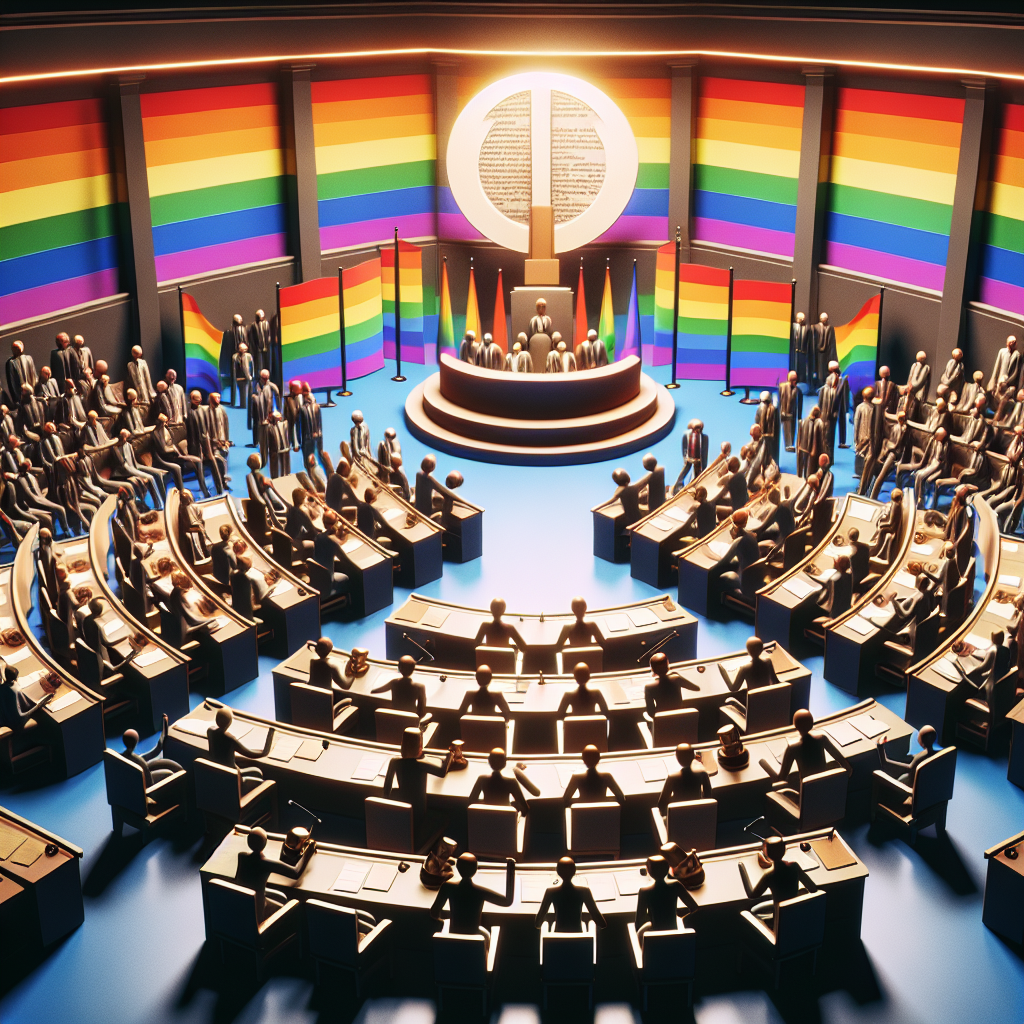
Advocating for LGBTQ+ representation in politics is a critical issue that affects the rights, visibility, and overall wellness of LGBTQ+ individuals and communities. As we move further into 2025, the importance of inclusive governance and representation has never been more paramount. Effective political advocacy not only champions the unique needs of LGBTQ+ populations but also fosters a society where diversity is celebrated and protected. The call for representation has grown louder, reflecting a society increasingly recognizing the value of every individual, regardless of sexual orientation or gender identity.
The Importance of LGBTQ+ Representation in Politics
The representation of LGBTQ+ individuals in politics is a vital component of a healthy democracy. Politicians who identify as part of the LGBTQ+ community bring unique perspectives and experiences that can shape policies in ways that more accurately reflect the needs and aspirations of diverse populations. Their presence in legislative bodies can lead to more informed discussions about issues crucial to LGBTQ+ individuals, such as healthcare access, marriage equality, and anti-discrimination protections. In 2025, with ongoing legislative challenges to LGBTQ+ rights, this representation is essential for pushing back against harmful policies and advocating for progress.
Moreover, the visibility of LGBTQ+ individuals in political roles dismantles stereotypes and fosters a greater understanding of the community among the broader public. Representation enables allies to recognize the importance of allyship, mobilizing support for equitable practices and policies. When politicians openly identify as LGBTQ+, it encourages younger generations to pursue careers in public service, knowing that they can bring their authentic selves into spaces traditionally dominated by cisgender, heterosexual individuals. Hence, advocating for LGBTQ+ representation is not just about politics; it’s about shaping a future where everyone feels valid and seen.
Challenges Facing LGBTQ+ Politicians
Despite the progress made, LGBTQ+ politicians encounter significant obstacles in their pursuit of office and influence. Public scrutiny, discrimination, and the threat of violence are persistent challenges that can deter candidates from coming forward. In 2025, many LGBTQ+ candidates still face backlash from conservative groups and individuals resistant to change, which can manifest in negative media portrayals, threats, or even physical confrontations. This environment of hostility can impede the efforts of those who are willing to advocate for necessary reforms, thus limiting the ability to create meaningful change.
Additionally, funding disparities pose another challenge for LGBTQ+ candidates. Traditional funding sources often favor established political figures who may not represent marginalized communities. Because of this, LGBTQ+ candidates often have to rely on grassroots fundraising, which requires building an extensive network of supporters rather than simply leveraging connections within the political establishment. This hurdle makes it more difficult for new candidates to emerge, perpetuating existing disparities in representation and hindering the broader movement for equality.
The Role of Advocacy Organizations
Advocacy organizations play a crucial role in promoting LGBTQ+ representation in politics. Groups like the Human Rights Campaign (HRC), GLAAD, and the Victory Fund work tirelessly to support and elect LGBTQ+ candidates while also providing resources, training, and networking opportunities. These organizations are instrumental in identifying potential leaders within the community and equipping them with the necessary tools to run successful campaigns. In 2025, we see a renewed commitment from these organizations as the political climate becomes increasingly polarized, and the need for representation is urgent.
Moreover, these advocacy organizations engage in public education campaigns that elevate issues pertinent to the LGBTQ+ community. By raising awareness and soliciting broader public support, they create an environment conducive to progressive change. This grassroots mobilization is essential, particularly in regions where societal attitudes towards LGBTQ+ individuals are still evolving. Advocacy groups often serve as the backbone for community-driven initiatives, ensuring that LGBTQ+ voices are represented within broader political conversations.
The Impact of Social Media on LGBTQ+ Political Advocacy
In today’s digital age, social media has emerged as a powerful tool for LGBTQ+ political advocacy. Platforms like Twitter, Instagram, and TikTok allow individuals and organizations to reach wider audiences, amplify their messages, and mobilize supporters quickly. During election cycles, these tools have been invaluable for grassroots campaigns, enabling them to overcome traditional barriers posed by mainstream media outlets. As of 2025, social media campaigns have successfully raised awareness and funds for numerous LGBTQ+ candidates, allowing them to challenge established norms and make a significant impact on local and national races.
Additionally, social media facilitates dialogues that were historically absent from political conversations. LGBTQ+ individuals can share their stories, experiences, and struggles directly with their elected officials and fellow citizens, fostering an atmosphere of empathy and understanding. This grassroots approach encourages collective action, as supporters can easily mobilize to advocate for policies and candidates who prioritize LGBTQ+ rights. Thus, social media becomes a vital resource for supporting the advocacy for LGBTQ+ representation, making political engagement more accessible and relevant to younger generations.
Future Directions for LGBTQ+ Political Advocacy
Looking toward the future, LGBTQ+ political advocacy must adapt to the rapidly changing landscape of public policy and societal attitudes. Organizations and advocates need to remain vigilant about potential threats to the rights gained over the previous decades. With legislative battles continuing across various states in the U.S. and beyond, ensuring that LGBTQ+ voices remain at the forefront will be increasingly crucial. In 2025, we must advocate for stronger protections against discrimination and comprehensive policies that address the unique needs of LGBTQ+ individuals, particularly in areas like healthcare, education, and employment.
Moreover, fostering intersectionality within the movement is essential for its evolution. LGBTQ+ advocacy should strive to encompass the diverse identities within the community, ensuring that voices of people of color, transgender individuals, and those with disabilities are heard and prioritized. As we move forward, it’s vital that LGBTQ+ representation in politics includes a myriad of experiences and perspectives, thereby creating a more equitable and inclusive political landscape that reflects the true fabric of society.
Finally, strengthening coalitions with other marginalized communities will be vital in combating systemic oppression. In 2025, coalition-building takes on a new urgency as issues intersect; challenges facing LGBTQ+ individuals often overlap with those encountered by various social justice movements. Collaborating with allies from racial or economic justice initiatives can amplify the voices of the LGBTQ+ community while creating impactful, multi-faceted strategies for change. The future of LGBTQ+ advocacy lies in solidarity, paving the way for a more inclusive society.
Conclusion
Advocating for LGBTQ+ representation in politics is an ongoing and urgent endeavor vital for the progress of human rights and social justice. The importance of diverse representation in legislative spaces cannot be overstated, as it directly influences policy outcomes and community engagement. While LGBTQ+ politicians face distinct challenges, advocacy organizations and social media platforms are vital allies in their quest for equality. As we look ahead to the future, intersectionality and coalition-building will play significant roles in ensuring that all voices within the LGBTQ+ community are uplifted and heard. By championing representation today, we are paving the way for a more inclusive tomorrow.
FAQs
1. Why is LGBTQ+ representation in politics important?
LGBTQ+ representation in politics is important because it ensures that the unique needs and perspectives of LGBTQ+ communities are included in policymaking. It fosters understanding, empathy, and advocacy for crucial issues such as healthcare, discrimination protections, and equal rights.
2. What challenges do LGBTQ+ candidates face when running for office?
LGBTQ+ candidates often face challenges such as public scrutiny, funding disparities, discrimination, and backlash from conservative groups. These hurdles can deter potential candidates and hinder their ability to campaign effectively.
3. How do advocacy organizations support LGBTQ+ political representation?
Advocacy organizations provide resources, training, and networking opportunities for LGBTQ+ candidates, promote awareness of critical issues, and mobilize grassroots support to elect representatives who prioritize LGBTQ+ rights.
4. How has social media changed LGBTQ+ political advocacy?
Social media has transformed LGBTQ+ political advocacy by enabling outreach to wider audiences, facilitating dialogues, and allowing grassroots campaigns to connect with supporters easily. It has become a powerful tool for mobilization and education.
5. What is the future of LGBTQ+ political advocacy?
The future of LGBTQ+ political advocacy includes a focus on intersectionality, coalition-building, and adapting strategies to combat ongoing threats to rights. Emphasizing inclusivity and collaboration will be vital for achieving comprehensive equality.