How Fan Engagement is Evolving in Major League Baseball
Introduction
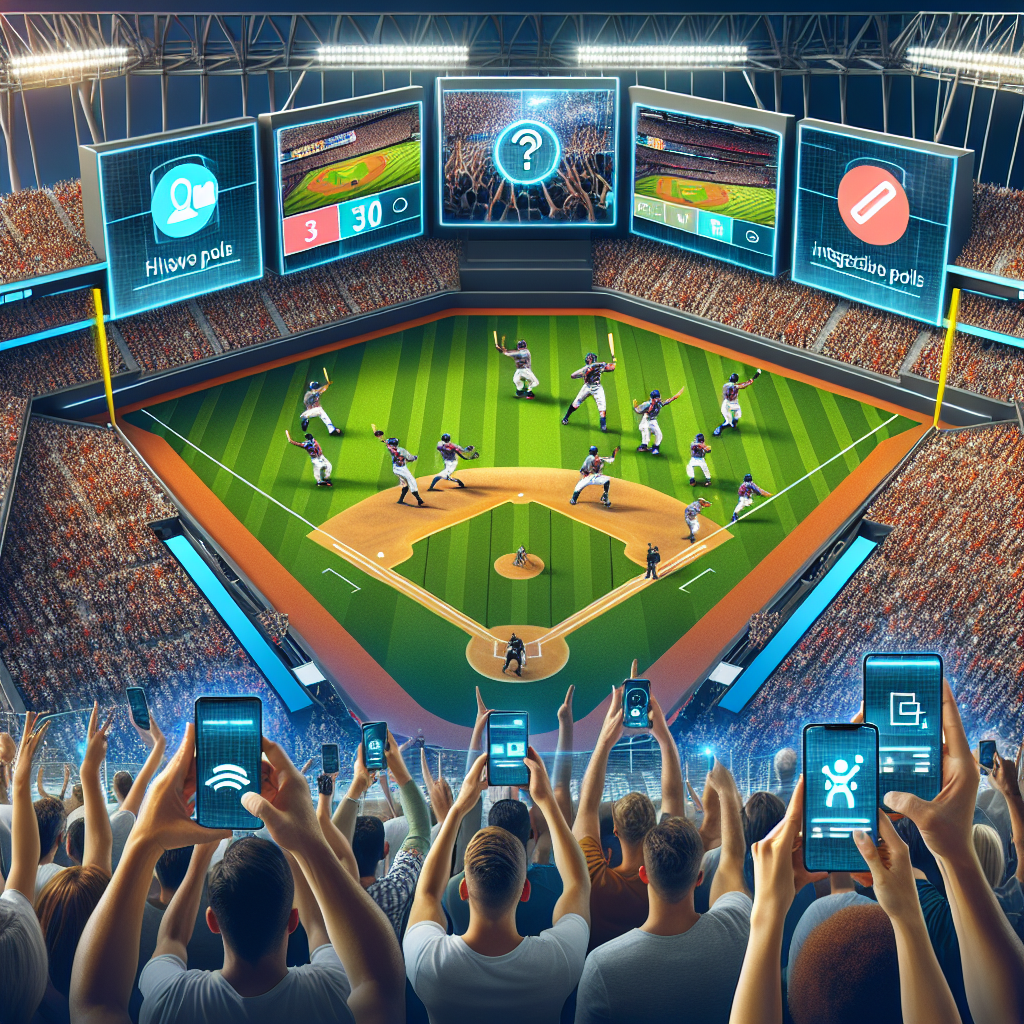
As we delve into 2025, fan engagement in Major League Baseball (MLB) is undergoing a transformative evolution, driven by technological advancements, changing demographics, and the ever-increasing significance of digital platforms. In an age where real-time interactions and personalized experiences reign supreme, MLB franchises are leveraging innovative strategies to deepen their connection with fans, whether they are at the ballpark or watching from home. This article explores how fan engagement is evolving in MLB, highlighting the tools and methods that are reshaping the fan experience while positioning teams for future success.
Revolutionizing Fan Interaction through Technology
The integration of advanced technology has been a game-changer in how MLB teams engage with their fans. Mobile applications have become central to this evolution, offering immersive experiences that extend beyond the ballpark. Franchise-specific apps allow fans to access live game stats, exclusive player content, and real-time interactions during games. For instance, in 2025, teams are leveraging Augmented Reality (AR) features within their apps, permitting users to visualize player stats or game highlights through their smart devices, thus creating a compelling blend of entertainment and information.
Furthermore, Artificial Intelligence (AI) is now playing a pivotal role in personalizing fan experiences. By analyzing user data, teams can deliver tailored content, special offers, and targeted promotions to engage fans effectively. For instance, if a fan frequently attends weekend games, the AI software could suggest similar events or promotional packages that cater specifically to their interests. This level of personalization fosters a deeper bond between the teams and their audiences, resulting in increased loyalty and attendance.
The Impact of Social Media on MLB Engagement
Social media platforms have fundamentally changed how MLB teams communicate with fans. In 2025, teams are capitalizing on platforms such as TikTok, Twitter, and Instagram to create dynamic content that resonates with various demographics. While Twitter remains a hub for real-time updates and discussions, platforms like TikTok have introduced innovative ways for teams to showcase their players’ personalities and gameday experiences. This shift has not only engaged younger fans but also captured the attention of a broader audience, vital for the league’s growth.
Additionally, live streaming events on social media has emerged as an effective fan engagement strategy. Teams host live Q&A sessions with players, behind-the-scenes tours, and interactive polls that allow fans to have a say in certain decisions—like walk-up songs for players during a game. These live interactions give fans unprecedented access to their favorite teams and players, fostering a sense of community and participation that traditional media could never achieve.
Innovative Game Day Experiences Reshaping Attendance
The game day experience in MLB has evolved dramatically, making attending a game much more than just watching baseball. In 2025, teams are redesigning their stadiums to offer unique experiences—think themed sections, diverse food options, and family-friendly activities that run the gamut from interactive fan zones to player meet-and-greets. The inclusion of multi-sensory enhancements like virtual reality experiences lets fans engage with the game in a way that suits their preferences, elevating the overall enjoyment of attending games.
Moreover, in-stadium technology has improved significantly, with better Wi-Fi connectivity, mobile ordering, and electronic ticketing becoming standard features. Fans can now order their favorite snacks and beverages directly from their seats using a mobile app, ensuring they miss less of the action on the field. The focus is on convenience and comfort, allowing fans to immerse themselves in the game without the stress often associated with gameday logistics.
Fan engagement also now encompasses initiatives aimed at fostering inclusivity and diversity. Teams have launched specific programs to make games more accessible to all demographics, including sensory-friendly environments for fans with autism or other sensory sensitivities. This conscious effort enhances the atmosphere at stadiums, encouraging a wider range of fans to enjoy games together, thereby expanding the core baseball audience.
Leveraging Data Analytics to Enhance Fan Engagement
In 2025, data analytics has become pivotal in shaping strategies for enhancing fan engagement across MLB. With an abundance of data available from ticket sales, merchandise purchases, and social media interactions, teams can identify trends and preferences that significantly influence their engagement strategies. For instance, data-driven insights can reveal which promotions yield the best responses or which demographic groups are most likely to attend games—allowing teams to target their marketing efforts efficiently.
Additionally, teams can utilize predictive analytics to anticipate fan needs before they arise. By analyzing past behavior of attendees, franchises can create tailored experiences that enhance fan loyalty. If a data trend shows that a specific fan demographic attends most games against divisional rivals, teams can capitalize on this insight by promoting these matchups heavily or offering unique promotions on those days to spur attendance.
This significant reliance on data analytics has also manifested in player-fan engagement strategies. Teams can analyze fan interactions across various platforms to understand which athletes resonate most with fans, allowing for more targeted community outreach and fan interaction campaigns. Engaging with superstar players in efforts like charity events or community initiatives further deepens the relationship fans feel toward their teams and players.
The Role of Sustainability in Fan Engagement
Sustainability has emerged as an essential component of fan engagement in 2025, with MLB teams taking proactive steps to promote environmental responsibility. Many franchises are committed to reducing their carbon footprint and enhancing their relationship with local communities through sustainability initiatives. For instance, several stadiums have embraced green technologies, utilizing solar energy, water conservation systems, and eco-friendly transportation initiatives to lower environmental impact while also drawing in eco-conscious fans.
This eco-friendly approach not only appeals to a broader audience but enhances fan loyalty. Teams that emphasize their commitment to sustainability often experience an uptick in attendance from environmentally progressive communities. Special theme nights focusing on environmental awareness or community clean-up events further integrate these values into the fan experience, promoting goodwill between teams and their supporters.
Moreover, engaging fans in sustainability efforts fosters a sense of shared responsibility. Teams are now hosting educational events and partnerships with local organizations to raise awareness about environmental issues, encouraging fans to actively participate in these initiatives. This interaction not only strengthens the bond between fans and franchises but also promotes a culture of sustainability within the baseball community.
Conclusion
In 2025, fan engagement in Major League Baseball is evolving at a remarkable pace, driven by innovative technologies, social media interaction, enhanced game day experiences, data analytics, and sustainability efforts. By prioritizing real-time connectivity and personalization, MLB teams are reshaping the way fans connect with the sport. The continuous evolution of fan engagement strategies ensures a vibrant future for baseball, attracting both traditional fans and newer audiences. As teams continue to explore novel ways to connect with their fans, the league is poised for sustained growth and a dynamic interaction that promises to enrich the baseball experience for generations to come.
### FAQs
What are the latest trends in MLB fan engagement for 2025?
Fans are seeing increased use of augmented reality applications, interactive social media campaigns, and enhanced in-stadium experiences focused on comfort and convenience.
How is technology impacting Major League Baseball games?
Technology enhances real-time communication and personalized experiences, including mobile apps for real-time stats, player interactions, and convenient stadium services.
Why is sustainability important in MLB fan engagement?
Sustainability initiatives resonate with many fans, attracting those who value environmental responsibility and fostering a sense of community around shared values.
How can teams leverage data analytics for better fan engagement?
Data analytics can identify trends in fan preferences, targeting marketing efforts more effectively to boost engagement and attendance at games.
What role does social media play in modern MLB engagement strategies?
Social media platforms allow teams to engage fans interactively, showcasing content that resonates with their audience while opening up channels for conversation and brand loyalty.