The Effect of Economic Sanctions on Global Political Dynamics
The Effect of Economic Sanctions on Global Political Dynamics
Economic sanctions have become an indispensable instrument in international relations, wielded by states and supranational organizations to influence the behavior of nations. The year 2025 has seen a proliferation of these sanctions, bringing into sharp focus their multifaceted effects on global political dynamics. From diplomatic negotiations to military engagements, the ramifications of economic sanctions extend far beyond their immediate economic impacts, reshaping alliances, inciting societal changes, and challenging established norms of international conduct. In this article, we will explore the complex interplay between economic sanctions and global political dynamics through various lenses, demonstrating their effectiveness, repercussions, and transformative potential.
The Utility of Economic Sanctions in Foreign Policy
Economic sanctions serve as a vital tool in the arsenal of foreign policy, primarily aimed at compelling a targeted nation to alter its behavior without resorting to military intervention. In 2025, we see sanctions being leveraged as a response to aggressive actions by states such as Russia, North Korea, and Iran, where the international community, led by organizations like the United Nations and the European Union, has imposed restrictions on trade, financial transactions, and access to critical resources. By imposing sanctions, countries strive to signal their discontent while exerting pressure on governments to engage in negotiations, uphold human rights, or abandon nuclear ambitions.
However, the efficacy of economic sanctions is widely debated. Critics argue that sanctions often lead to unintended consequences, such as humanitarian crises that disproportionately affect the civilian population rather than the political elite. For instance, in nations like Venezuela, severe sanctions have exacerbated economic hardships, prompting a humanitarian crisis that has led to mass migration and regional instability. The complexity lies in the balancing act: how do policymakers ensure that sanctions fulfill strategic objectives without causing excessive harm to ordinary citizens?
Diplomatic Implications of Economic Sanctions
The imposition of economic sanctions not only aims to coerce specific behaviors from targeted states but also significantly reshapes diplomatic relations on a broader scale. In 2025, we have observed that states imposed with sanctions often seek to enhance their ties with non-Western partners. Countries like Russia have strengthened their alliances with nations such as China and Iran, creating an alternative power bloc that challenges Western hegemony. This transition has resulted in the emergence of new diplomatic alignments, showcasing that sanctions can inadvertently lead to the formation of coalitions that otherwise might not have materialized.
Furthermore, the politics surrounding sanctions often foster a sense of solidarity among the sanctioned states, who may label the imposition of sanctions as an act of aggression or neo-colonialism. This perception cultivates a narrative that defends the targeted nation against external pressures, galvanizing nationalistic fervor among the populace and bolstering the regime’s legitimacy. In this context, economic sanctions can generate the opposite of their intended effect, entrenching the power of the elite rather than weakening it.
The Socioeconomic Impact of Sanctions on Targeted Nations
The socioeconomic consequences of economic sanctions are profound and often long-lasting. In examining nations like Iran and North Korea as of 2025, we see that sanctions have led to severe disruptions in essential services and economic instability. The restriction on oil exports, for instance, has devastated Iran’s economy, resulting in hyperinflation and skyrocketing unemployment rates. Such dire economic conditions typically give rise to widespread dissent and societal tensions, culminating in protests and civil unrest that challenge the regime’s stability.
Conversely, some nations adopt strategies to mitigate the impacts of sanctions through economic reforms or alternative economic partnerships. In 2025, for example, we can observe that countries like Russia have sought to diversify their economies and lessen dependence on Western markets. This pivot not only illustrates resilience but also hints at the potential for economic adaptation in the face of external pressures. The long-term socioeconomic effects, however, remain ambiguous, posing questions about the sustainability of such adaptations and the eventual political changes they might precipitate.
Another layer to this complexity is the argument surrounding the moral implications of imposing sanctions. The humanitarian crises induced by prolonged sanctions raise ethical questions concerning the responsibility of the international community. While sanctions may be intended as a method of enforcing political accountability, their broader societal ramifications often recast them as moral quandaries, putting pressure on nations and international bodies to reassess their strategies.
Global Economic Systems and Sanctions
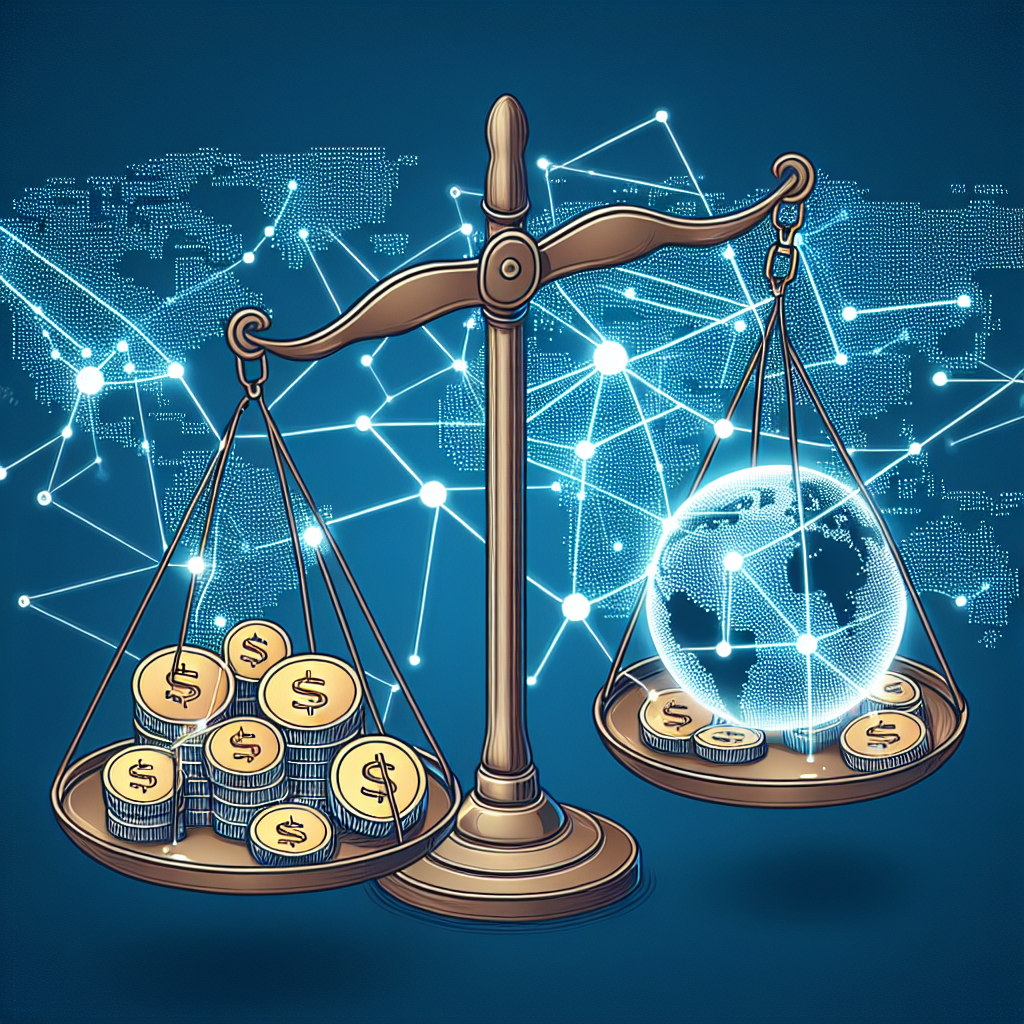
As we analyze the effects of economic sanctions in 2025, we must also consider their implications for the global economic system. Sanctions disrupt not only the economies of the targeted nations but also have cascading effects on global trade patterns and financial markets. Countries that rely on trade with sanctioned states face dilemmas; aligning with sanctions may have economic repercussions, while defying them could lead to potential sanctions themselves. As a result, the geopolitical landscape is increasingly characterized by bifurcated economic systems, wherein nations align themselves with specific blocs representing different economic ideologies and governance styles.
Additionally, the rise of digital currencies and alternate payment systems has emerged in response to sanctions, allowing targeted states to circumvent traditional banking systems that are often controlled by Western powers. This development suggests not only resilience among sanctioned states but also the potential evolution of global finance. Such transformations could ultimately modify the effectiveness of sanctions, as nations develop alternative methods for international trade that diminish the coercive leverage of economic sanctions.
In this context, the role of multinational corporations (MNCs) becomes increasingly significant. The hesitation of MNCs to operate in sanctioned nations reflects the complexities involved; the balancing act between moral imperatives, economic opportunities, and legal implications can deter foreign investment and hinder the growth of the sanctioned nation’s economy. Conversely, the evolving narrative surrounding corporate involvement in sanctioned states can catalyze discussions about corporate ethics and responsibility within the broader framework of global capitalism.
The Future of Economic Sanctions in Global Politics
Looking forward to the future of economic sanctions in 2025 and beyond, the international community faces several challenges and potential shifts in their approach. As nations reassess their responses to aggression, the effectiveness of sanctions may wane due to growing skepticism about their ability to produce desired outcomes. The debate surrounding the efficacy versus the humanitarian costs of sanctions will likely continue, pressing policymakers to seek alternative methods such as targeted measures or diplomatic negotiations.
Furthermore, the geopolitical climate is evolving. As nations like China rise as economic powers, the effectiveness of Western-led sanctions may diminish, encouraging a multipolar world where sanctions are no longer a universally accepted tool of statecraft. In this new global order, we may witness a shift towards non-coercive methods of diplomacy, where mutual cooperation and dialog become preferred strategies over economic punishment.
As technology continues to advance, the relationship between economic sanctions and global political dynamics will also evolve. Cyber sanctions, targeting specific individuals or entities while avoiding broader economic impacts, may gain traction as a method of enforcement. These targeted approaches could minimize harm to civilian populations while still holding regimes accountable for their actions, providing a more ethical framework for international relations moving forward.
Conclusion
The effect of economic sanctions on global political dynamics as we move through 2025 is a complex tapestry woven from threads of politics, economics, and ethics. While sanctions can serve as a powerful diplomatic tool to influence state behavior, they often have unintended consequences, leading to humanitarian crises and shifting diplomatic relations. The socioeconomic impacts on targeted nations can be profound, altering everyday life while also forcing adaptations that may reshape global economic systems. Looking ahead, the future of economic sanctions remains uncertain, with potential shifts towards more ethical and targeted approaches in international relations. Understanding and navigating these dynamics will be critical for policymakers and global citizens alike.
FAQs
What are economic sanctions?
Economic sanctions are policy tools employed by countries or international organizations to restrict trade, investment, and other forms of economic engagement with a target nation to influence its behavior, uphold international norms, or punish violations of international law.
How effective are economic sanctions?
The effectiveness of economic sanctions can vary significantly based on factors such as the specific goals of the sanctions, the resilience of the targeted state, and the level of international support for the sanctions. In some cases, they can compel change, while in others, they may entrench existing regimes.
What are some examples of countries affected by sanctions?
Countries currently affected by economic sanctions include Russia, North Korea, Iran, and Venezuela. Each of these nations faces varying levels of restrictions that have significant impacts on their economies and political landscapes.
Do sanctions affect civilians?
Yes, economic sanctions often adversely impact civilians, leading to shortages of essential goods, increased prices, and overall economic hardship, which can result in humanitarian crises.
What are alternative approaches to sanctions?
Alternative approaches to sanctions can include diplomatic negotiations, targeted measures (e.g., travel bans or asset freezes against specific individuals), and multilateral cooperation to address issues through dialogue and engagement rather than punitive measures.