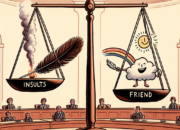
Understanding Political Corruption and Its Impact on Public Trust
Political corruption has become a pervasive issue globally, affecting not just the effectiveness of governance but also eroding public trust. In recent years, incidents of corruption have made headlines, revealing the intricate networks of deceit and manipulation that undermine democratic values and the rule of law. Amidst ongoing scandals and the rise of populist sentiments, understanding how political corruption undermines public trust is paramount. This article delves deeply into this complex issue, examining its causes, effects, and potential solutions.
Defining Political Corruption in Modern Governance
Political corruption refers to the manipulation of power for personal gain, creating an environment where public officials prioritize their interests over those of their constituents. The World Bank describes it as “the abuse of public office for private gain,” highlighting the various forms it can take, such as bribery, nepotism, and embezzlement. In 2025, countries across the globe continue to grapple with this issue, with technology and social media playing an increasingly significant role in both the perpetuation and exposure of corrupt practices.
In the modern context, political corruption is not just limited to overt acts of wrongdoing; it also includes systemic issues, such as the lobbying practices that distort democratic processes. In many cases, wealthy individuals and corporations exert undue influence over lawmakers, leading to policies that benefit a select few rather than the broader public. Transparency International’s Corruption Perceptions Index for 2025 indicates that many democracies are failing to mitigate corruption effectively, leading to public disillusionment and a sense of helplessness among citizens.
The Consequences of Political Corruption on Society
The consequences of political corruption extend far beyond the immediate financial losses associated with illegal activities; they create a culture of cynicism and disengagement among the populace. When people perceive their leaders as corrupt, they become less likely to participate in elections, attend town hall meetings, or engage in civic life. This withdrawal threatens the very foundations of democracy, where active citizen participation is essential for holding leaders accountable and fostering legitimate governance.
Moreover, corruption can lead to significant economic repercussions. Countries rife with corruption often struggle to attract investment, leading to stunted growth and development. In 2025, emerging economies that have not effectively addressed corruption are finding it increasingly difficult to compete on the global stage. Research has shown that corruption disproportionately affects the most vulnerable populations, depriving them of essential services such as healthcare, education, and infrastructure. This cycle of inequality feeds into wider social unrest and dissatisfaction with governmental institutions.
The Psychological Impact of Corruption on Public Trust
Political corruption has profound psychological ramifications that exacerbate the erosion of public trust. When government officials engage in corrupt acts, it generates feelings of betrayal among citizens, deeply damaging their faith in public institutions. The constant barrage of corruption scandals can lead to a pervasive sense of hopelessness, with individuals believing that their voices do not matter and that the system is rigged against them. This psychological disillusionment can culminate in apathy or, conversely, spur extremist movements that seek to challenge the existing order.
Furthermore, the normalization of corrupt behavior can lead to a cultural acceptance of unethical practices. When corruption becomes ingrained in the political landscape, citizens may begin to view it as a necessary evil – a means to an end. This compromise not only complicates efforts to combat corruption but also affects the moral compass of society. By the time corruption is acknowledged as a significant social issue, entire generations may have grown up in a culture that tacitly endorses unethical behavior.
Additionally, public trust plays a crucial role in the efficacy of government policies. When citizens believe their leaders are acting in their best interests, they are more likely to support policies and regulations. However, when corruption permeates the political sphere, policy implementation suffers, leading to a vicious cycle where the public’s reluctance to cooperate reinforces governmental inefficiency.
Mechanisms for Restoring Public Trust
To combat the corrosive effects of political corruption and restore trust, it is essential to implement effective mechanisms for accountability and transparency. Governments can utilize digital platforms to promote open governance initiatives, facilitating direct communication and interactive platforms where citizens can report malfeasance or seek information regarding government actions. By actively engaging citizens in decision-making processes, governments can rebuild trust and demonstrate their commitment to integrity.
Education is another aspect that should not be overlooked. Public awareness campaigns focused on promoting civic engagement and the rule of law can empower citizens to hold their leaders accountable. In 2025, educational institutions should take the lead by integrating anti-corruption teachings into their curricula, ensuring that future generations understand the significance of ethical governance. This proactive approach to combating corruption fosters an informed and engaged citizenry capable of advocating for transparency and accountability.
Lastly, fostering partnerships between civil society organizations, media, and governmental bodies can create a robust network dedicated to combating corruption. When these sectors collaborate, they can develop comprehensive strategies for monitoring political activity, investigating corruption allegations, and advocating for stricter laws and regulations. This multi-faceted approach is essential for providing a united front against corruption in the political landscape.
Case Studies: Political Corruption and Public Trust in 2025
Examining real-world examples of political corruption can offer vital insights into its impact on public trust. Consider the case of a high-profile political figure in a European nation facing multiple accusations of corruption in 2025. Despite initial public support, the ongoing scandal led to a significant drop in approval ratings, illustrating how quickly public opinion can shift when corruption is exposed. This case triggered widespread protests and calls for reform, showcasing how collective dissatisfaction can galvanize civic engagement in response to political corruption.
Another compelling example comes from an Asian country where systematic bribery within local governments has been confirmed. Investigations revealed key officials accepting kickbacks for public contracts, causing widespread outrage. The institutional response included enacting stricter anti-corruption measures and establishing public forums for transparency. However, despite these efforts, public trust took years to rebuild, highlighting the long-lasting impact of corruption on societal attitudes toward governance.
In contrast, a successful reform movement was observed in a South American country that had faced rampant corruption in its past. With widespread public pressure, the government introduced a series of reforms aimed at transparency, including open bidding for public contracts and financing for public oversight committees. By 2025, these measures had led to a resurgence in public trust and improved perceptions of government integrity, demonstrating that while the road to recovery is challenging, it is achievable with coordinated efforts.
Conclusion
Political corruption is a pervasive issue that significantly undermines public trust in government. Its effects ripple through society, harming not just the political landscape but also the economic and psychological well-being of citizens. Addressing this challenge requires a multi-faceted approach, including enhanced transparency, education, and collaborations among all sectors of society. Only by confronting the realities of corruption can we hope to rebuild trust and strengthen democratic governance in our communities. Understanding the consequences of political corruption and acting on them is imperative for fostering a more engaged and trusting society.
FAQs
What is political corruption?
Political corruption refers to the misuse of public power for private gain, often resulting in unethical or illegal practices that harm the public’s trust in government institutions.
How does political corruption affect citizens?
Political corruption can lead to a loss of faith in government, reduced civic engagement, and adverse economic impacts, particularly for vulnerable populations who rely on government services.
Can public trust be restored after corruption scandals?
Yes, restoring public trust is possible through comprehensive reforms that promote transparency, accountability, and active citizen engagement, although it may take significant time and effort to achieve.
What role do citizens play in combating political corruption?
Citizens play a crucial role in combating political corruption by remaining informed, participating in civic activities, and advocating for integrity and transparency in government.
What are some examples of political corruption in 2025?
Examples include bribery scandals involving public officials, lobbying abuses that distort policy-making, and cases where bureaucratic processes were manipulated for personal gain.