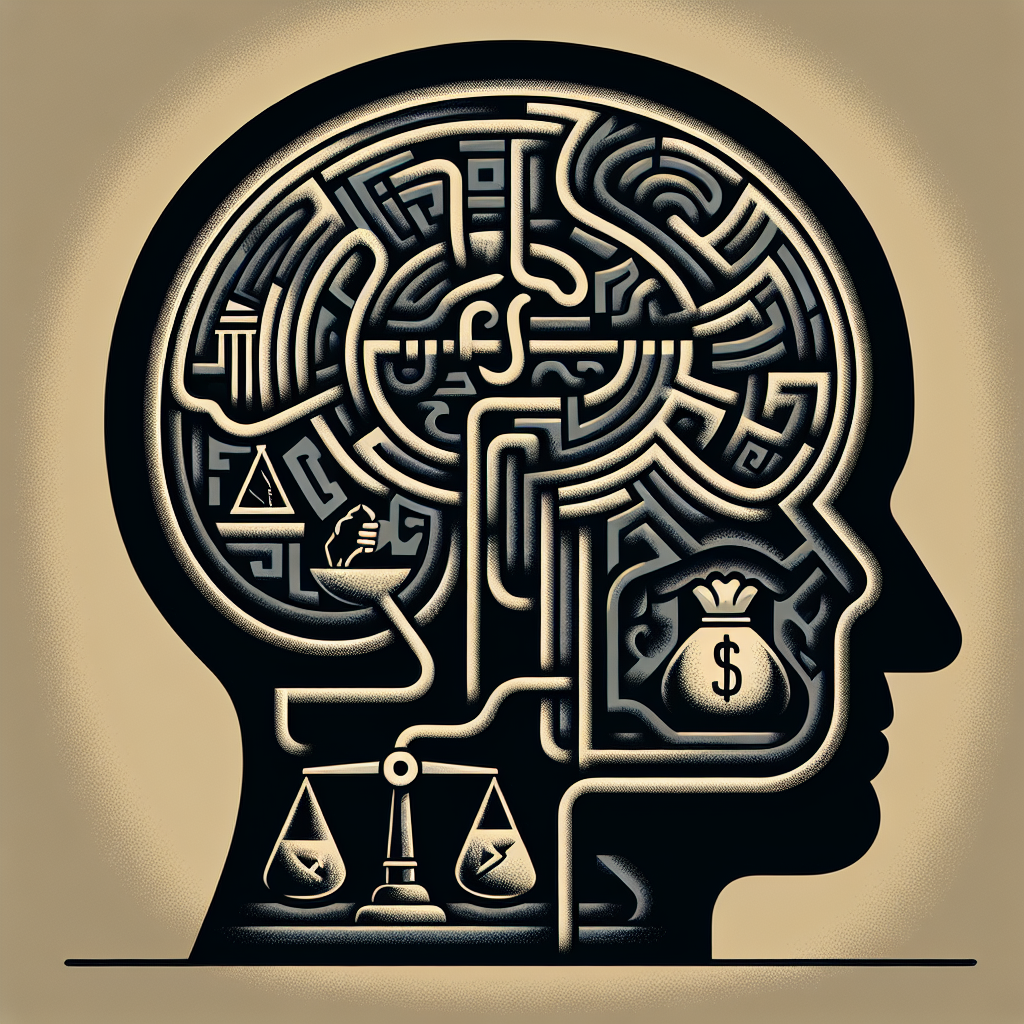
How Political Journalism Shapes Public Opinion


Introduction
Political journalism plays a critical role in shaping public opinion, especially in an era where misinformation and bias can easily spread through various media outlets. As of 2025, the landscape of political journalism has evolved with technological advancements and increased scrutiny over journalistic integrity. The ability of journalists to influence perceptions of political events, candidates, and policies is profound, making it essential to understand the mechanisms through which journalism shapes public narratives. This article delves into the relationship between political journalism and public opinion, highlighting its implications for democratic societies.
The Evolution of Political Journalism
Political journalism has undergone significant transformations over the last few decades, especially with the advent of the internet and social media platforms. Historically, political reporting was confined to traditional media like newspapers, radio, and television. Journalists of that era operated within structured frameworks that prioritized objectivity and balanced reporting. However, the landscape today is marked by the rise of digital journalism, which often favors immediacy over in-depth analysis. This shift has led to an overwhelming influx of information, leaving consumers to navigate through vast quantities of content and find reliable sources.
In 2025, the role of political journalists has expanded to include a myriad of platforms such as blogs, podcasts, and social media channels. Journalists are no longer just reporters; they are also influencers, commentators, and analysts. This multidimensionality complicates their relationship with the audience, making it crucial for them to establish credibility and build trust. With the public increasingly relying on social media for news, the information presented is often fragmented and contextualized through personal biases. Thus, understanding how political journalism adapts to these changes is vital for analyzing its impact on public opinion.
The Role of Framing in Political Journalism
Framing is a core concept in political journalism that significantly affects how news is perceived by the public. A journalist’s choice of framing can shape the narrative around a political event or issue, influencing how audiences interpret and react to that information. For instance, presenting a political protest as a “riot” versus a “demonstration” can lead to vastly different perceptions about the legitimacy and motives of the participants. This selective emphasis impacts public sentiment, guiding individuals toward specific interpretations that align with the journalist’s framing.
The framing effect becomes even more pronounced in the political arena, where journalists often face pressures from various stakeholders, including government officials, political parties, and special interest groups. The narratives constructed by journalists can either reinforce existing biases or challenge them. In this current era, where polarization is rampant, the need for responsible framing has never been more critical. Thus, understanding framing as a tool in political journalism is essential for comprehending how public opinion is shaped and manipulated.
The Influence of Media Bias on Public Perception
Media bias refers to the perceived or actual partiality of journalists and news organizations toward particular viewpoints or ideologies. It’s an undeniable facet of political journalism, especially in 2025, where the lines between news, opinion, and entertainment continue to blur. The perceptions of bias can significantly influence public opinion, with audiences gravitating toward outlets that echo their beliefs. This self-reinforcing cycle results in a fragmented media landscape where individuals are less exposed to opposing viewpoints, fostering a more polarized society.
The emergence of media algorithms that cater to user preferences exacerbates this issue. Social media platforms utilize algorithms that prioritize content similar to what users have previously engaged with, creating echo chambers that isolate individuals from diverse perspectives. This kind of tailored content consumption intensifies the influence of media bias on public perception, as it nurtures a sense of confirmation bias in audiences. To mitigate the effects of media bias, journalists must actively strive for transparency, fairness, and a comprehensive representation of diverse viewpoints, reinforcing their role as facilitators of informed public discourse.
The Digital Revolution and Its Impact on Political Journalism
The digital landscape has transformed how political journalism is created, disseminated, and consumed. In 2025, journalists can reach global audiences instantly through various digital platforms; however, this immediacy comes with significant challenges. The competition for readers’ attention is fierce, often leading to sensationalism in reporting. As journalists strive to deliver breaking news and engaging content, the quality and accuracy of reporting can become compromised. This not only affects public opinion but can also undermine trust in journalism as a whole.
Moreover, the proliferation of fake news and misinformation has heightened the stakes for political journalism. Social media platforms serve as breeding grounds for misleading stories that can significantly sway public opinion during crucial elections or political events. As a response, many credible news organizations are investing in fact-checking initiatives and promoting media literacy among their audiences. By equipping the public with tools to discern fact from fiction, these organizations aim to uphold the integrity of political reporting and foster a well-informed citizenry.
Another critical aspect of the digital revolution is the rise of citizen journalism. With smartphones and social media, ordinary individuals can capture and share political events in real-time, offering alternative narratives that often challenge official statements. While citizen journalism democratizes information dissemination, it can also complicate the landscape for traditional political journalism, leading to increased scrutiny and the need for verification. For established journalists, this evolving dynamic means adapting to a more participatory environment while maintaining their commitment to accuracy and responsible reporting.
The Ethical Responsibilities of Political Journalists
Political journalists bear significant ethical responsibilities in shaping public opinion through their reporting. The pressure to deliver timely news often conflicts with the ethical obligation to ensure accuracy and fairness. The ethical guidelines that govern journalism, including those from organizations like the Society of Professional Journalists, emphasize the importance of truthfulness, independence, and minimizing harm. These principles are paramount in political reporting, where the stakes are high and consequences can ripple through society.
In 2025, the ethical landscape of political journalism is further complicated by the challenges posed by misinformation and deepfakes. Journalists must navigate a fine line between being first to report a story and ensuring that the information shared is credible and well-sourced. The implications of failing to do so can undermine public trust in journalism, which is already fragile in a highly polarized environment. Consequently, maintaining journalistic integrity is essential for ensuring a functioning democracy and informed electorate.
Moreover, the landscape today requires journalists to engage with their audiences actively. They must foster transparent communication about their reporting processes and decisions, particularly when tackling complex political issues. This level of engagement not only bolsters public trust but also invites community feedback, which can enrich the quality of journalism. In this increasingly interconnected world, ethical political journalism demands that reporters uphold their responsibilities not just to their employers but to the public as a whole.
Conclusion
The relationship between political journalism and public opinion is multi-faceted and ever-evolving. The transformation of the media landscape, particularly in 2025, highlights the critical role that journalists play in shaping narratives and influencing perceptions within democratic societies. Through mechanisms like framing and awareness of bias, journalists must navigate a complex environment where misinformation can thrive. As the digital revolution opens new avenues for storytelling, the ethical obligations of journalists become increasingly crucial in maintaining credibility and public trust. Ultimately, a well-informed public is vital for the preservation of democratic ideals, and political journalism will continue to serve as a foundational pillar in this endeavor.
FAQs
What is the role of political journalism in democracy?
Political journalism acts as a watchdog, providing citizens with the necessary information to make informed decisions, thereby fostering accountability and transparency in governance.
How does political journalism influence election outcomes?
By shaping narratives and framing issues, political journalism can significantly influence public perceptions of candidates and policies, which in turn can affect voter behavior and election results.
What are some ethical challenges faced by political journalists today?
Political journalists face challenges such as balancing the need for timely reporting with the obligation for accuracy, combating misinformation, and navigating biases in media coverage.
How can audiences discern credible political journalism?
Audiences can discern credible political journalism by evaluating the sources of information, checking for fact-checking initiatives, and seeking diverse viewpoints to avoid echo chambers.