
Introduction
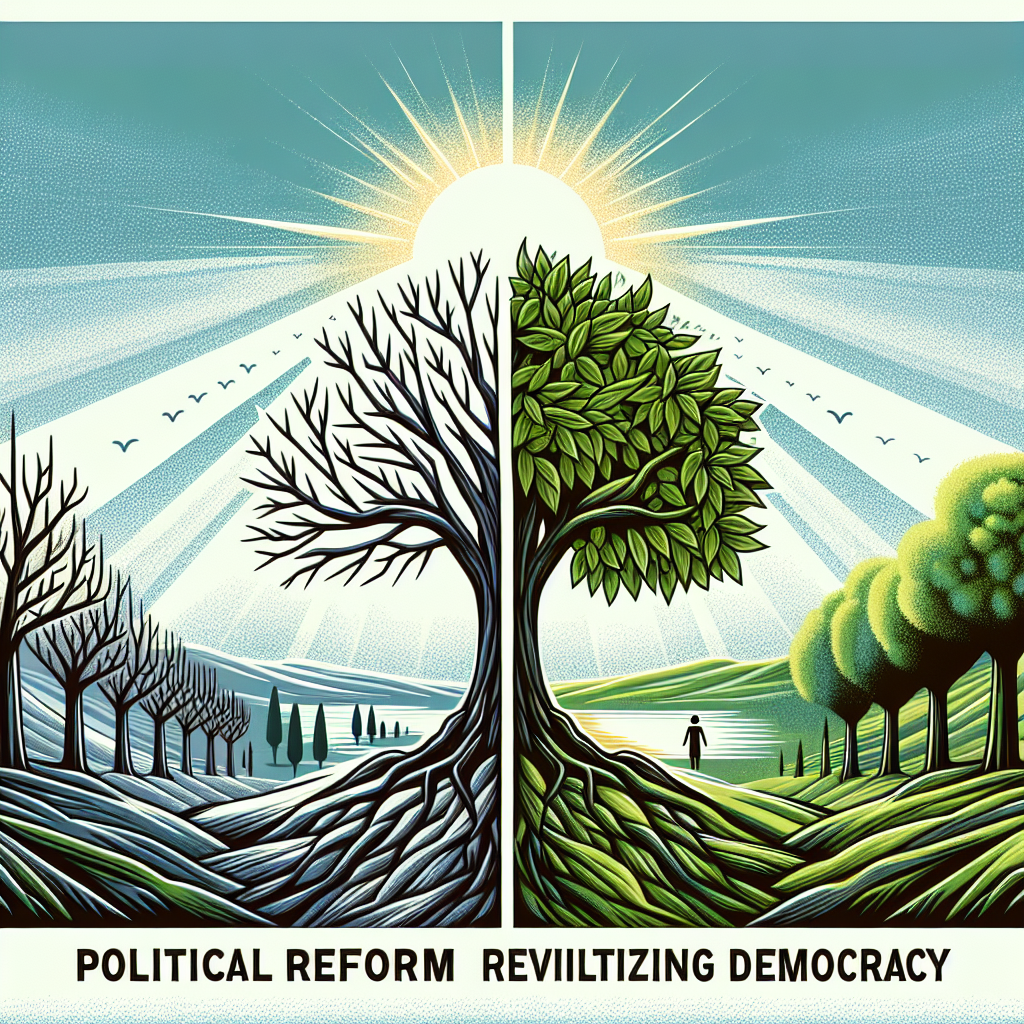
In an era where the challenges facing democracies are more pronounced than ever, the need for political reform has never been more critical. From corruption to disenfranchisement, the pillars of democratic governance are under siege. By implementing comprehensive reforms, nations can revitalize democracy and restore citizen trust in their political systems. In 2025, as the world grapples with various socio-economic and political challenges, understanding how political reform can breathe new life into democracy is essential for ensuring a resilient and engaged populace.


Understanding Political Reform and Its Necessity
Political reform encompasses a range of changes aimed at improving the functioning of political systems. This can include amendments to electoral processes, enhancing transparency, diversifying political representation, and strengthening civil rights. In 2025, countries around the globe are witnessing a rise in authoritarian tendencies, spurred by economic disparities and public disillusionment with traditional political structures. Thus, understanding the essential role of political reform is pivotal to advocating for a robust democratic framework.
Political reform is not merely an abstract concept; it represents a crucial mechanism for renewing civic engagement and rebuilding trust in governance. When citizens perceive their political systems as corrupt or ineffective, they become disenchanted and disengaged. Reforms that address these issues—such as introducing ranked choice voting to enhance electoral inclusivity or implementing stricter campaign finance laws to diminish the influence of money—can significantly bolster public confidence. In 2025, the success of various democratic nations often hinges on their ability to embrace political reform, ensuring that the voices of all citizens are heard and represented.
Recent Trends in Political Reform
As we navigate the complex landscape of democracy in 2025, several key trends in political reform are emerging worldwide. One significant trend is the move towards decentralized governance, where local governments receive more authority to make decisions that directly affect their communities. This shift can lead to increased public participation in local politics and a greater sense of ownership among citizens. Countries that have embraced decentralization, such as Canada and Germany, illustrate how empowering local entities can lead to more responsive and accountable governance, ultimately revitalizing democracy.
Another important trend involves leveraging technology to enhance civic engagement. With the rise of digital platforms, citizens now have more avenues than ever to voice their opinions, participate in policy discussions, and hold their leaders accountable. Online petitions, virtual town halls, and social media campaigns have democratized discourse, making it easier for individuals to influence political outcomes. In 2025, nations that harness technology for political reform can foster an engaged populace that is not only informed but also active in shaping their governance.
Challenges to Effective Political Reform
While political reform holds great promise, several challenges can impede its successful implementation. Resistance from entrenched political interests often poses a significant barrier to meaningful change. Politicians and political parties may be reluctant to support reforms that threaten their power or diminish their influence. For instance, politicians may block efforts to introduce term limits or anti-corruption measures, fearing that such reforms could jeopardize their positions. This resistance underscores the importance of sustained public pressure and advocacy for reform initiatives.
Moreover, societal polarization can hinder consensus around necessary reforms. In many democracies, political discourse has become increasingly divisive, making it challenging to build a coalition for reform. In 2025, countries experiencing heightened polarization must work diligently to bridge divides and foster dialogue aimed at unifying perspectives on reform. Initiatives that promote cross-partisan dialogues and collaborative solutions can help alleviate tensions and create a conducive environment for political reform.
Another challenge lies in the implementation of reforms and ensuring that they are not merely symbolic. Many countries have introduced reforms that, while well-intentioned, lack the necessary frameworks for effective execution and monitoring. For example, while laws might be enacted to improve transparency in government spending, without robust enforcement mechanisms, these laws may not lead to the desired outcomes. In 2025, successful political reform must be backed by a commitment to accountability and thorough evaluation processes, ensuring that reforms catalyze genuine democratic revitalization.
The Role of Civil Society in Political Reform
Civil society plays an indispensable role in driving political reform and revitalizing democracy. Non-governmental organizations (NGOs), grassroots movements, and community organizations can mobilize citizens and advocate for change. In 2025, as many societies confront systemic inequality and injustices, the effectiveness of civil society organizations in influencing political reform has become increasingly crucial. By raising awareness, promoting advocacy, and cultivating grassroots engagement, these entities can amplify the voices of marginalized communities and ensure that reform agendas reflect diverse societal needs.
Moreover, civil society can serve as a watchdog, holding governments accountable for their promises regarding political reform. Transparency and accountability are fundamental to any democratic system, and civil society organizations can play a vital role in monitoring government actions, lobbying for reforms, and providing independent assessments of political processes. In 2025, the resilience of democracies hinges on the ability of civil society to maintain pressure on lawmakers and ensure that political reforms are not only enacted but also effectively implemented.
Finally, civil society can help educate the populace about their rights and the significance of participating in the democratic process. In many democracies, especially among younger generations, civic knowledge can be lacking. Comprehensive civic education programs can empower citizens to understand political structures, engage in advocacy, and participate in elections. As countries grapple with declining voter turnout and political disillusionment, investing in civil society and educational initiatives is paramount for nurturing informed, engaged citizens capable of driving political reform.
Global Case Studies of Successful Political Reform
Examining successful political reforms worldwide can provide valuable insights into best practices and strategies for revitalizing democracy. One notable example is New Zealand, which, in the 1990s, undertook a significant overhaul of its electoral system, transitioning from a winner-takes-all system to a mixed-member proportional representation model. This reform not only enhanced the diversity of political representation but also increased voter turnout and public satisfaction with the electoral process. New Zealand’s experience highlights how thoughtful electoral reforms can lead to a more representative and inclusive democracy, providing a model for other nations seeking similar revitalization.
In Asia, Taiwan’s political transformation illustrates the power of reform in strengthening democracy. Having transitioned from authoritarian rule to a vibrant democratic society, Taiwan has continuously sought ways to enhance political transparency and public participation. In recent years, reforms that promote greater citizen involvement in decision-making processes have empowered the populace and generated increased trust in governance. Taiwan’s experience underscores the importance of not just establishing democratic institutions but continuously iterating and improving them to respond to evolving societal needs and challenges.
Finally, Chile provides a contemporary case study in political reform amid social unrest. Following widespread protests in 2019, the Chilean government initiated a process to draft a new constitution, aiming to address long-standing grievances related to inequality and representation. The involvement of citizens in drafting the constitution—through participatory assemblies—has been a groundbreaking approach to political reform. As voters approved this initiative, it represents a significant step toward revitalizing democracy in Chile and demonstrates how responding to public demands for reform can lead to a more inclusive and equitable political landscape.
Conclusion
Political reform is a potent mechanism for revitalizing democracy, particularly in the turbulent political landscape of 2025. By embracing comprehensive changes that prioritize transparency, representation, and civic engagement, governments can rebuild trust and foster active participation among citizens. While challenges persist—including resistance to change and societal polarization—collaboration among civil society, effective monitoring, and lessons from successful global examples can pave the way for meaningful reforms. Ultimately, the true revitalization of democracy hinges on the collective will of both citizens and leaders to adapt to changing realities and promote a more equitable and just society.
FAQs
What is political reform?
Political reform involves making changes to electoral systems, governance structures, or policies to enhance democratic processes, increase accountability, and improve representation.
Why is political reform necessary in 2025?
Political reform is crucial in 2025 to address growing challenges such as disenfranchisement, corruption, and authoritarianism, thereby revitalizing democracy and restoring trust in political systems.
How can citizens participate in promoting political reform?
Citizens can engage in political reform by voting, participating in civil society organizations, advocating for change, and holding elected officials accountable through community engagement and activism.
What role does civil society play in political reform?
Civil society organizations advocate for reform by mobilizing communities, monitoring government actions, and educating citizens about their rights, thereby enhancing democratic engagement and accountability.
Can successful political reforms from other countries be applied universally?
While successful reforms can provide a framework for change, their applicability depends on each country’s unique political, social, and cultural contexts; adaptations may be necessary for effective implementation.