How Technology Can Foster Connections in a Progressive World

Introduction
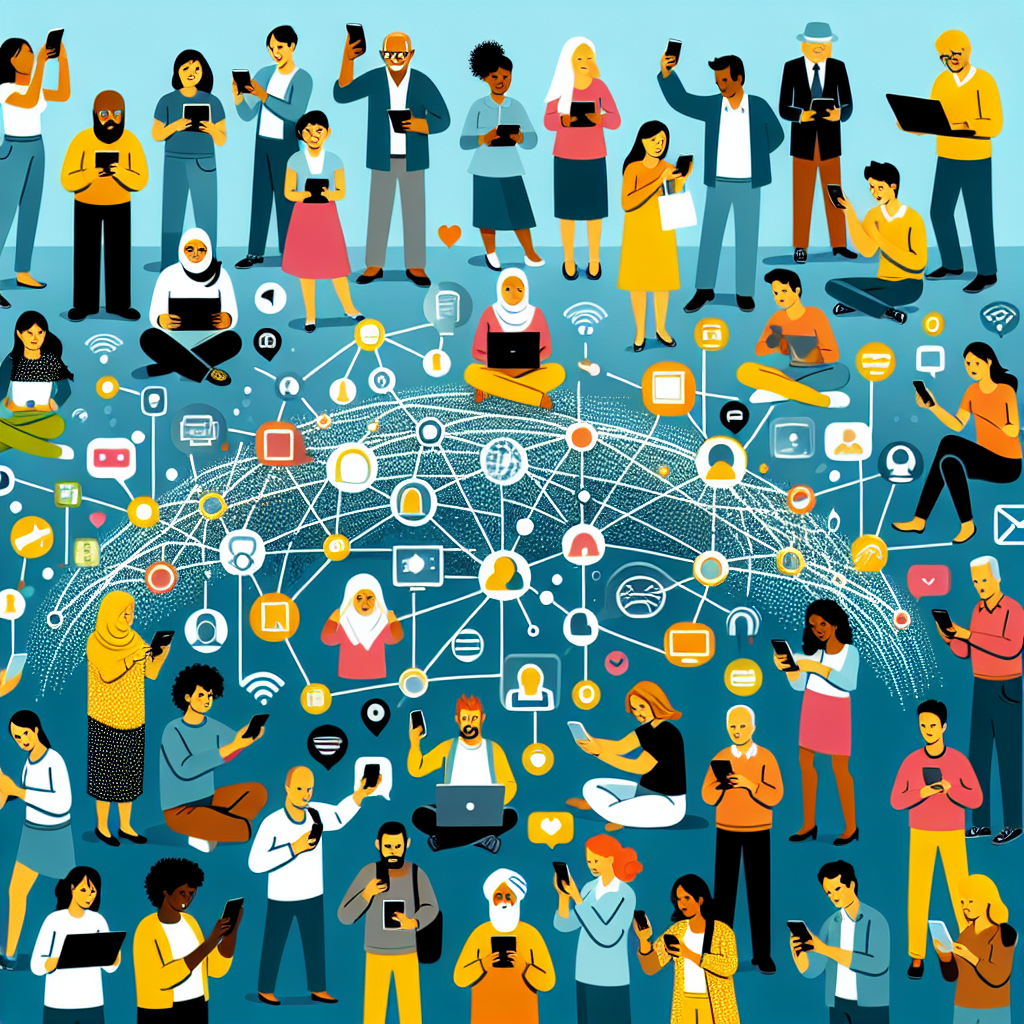
In the rapidly evolving landscape of 2025, technology is more than just a facilitator; it is a bridge connecting us across distances, cultures, and ideologies. With innovation spearheading social change, the role of technology in fostering genuine connections in a progressive world has never been more crucial. From virtual reality facilitating empathy to social media creating communities of support, technology is reinventing how we interact and understand one another, making connections deeper and more meaningful. This article dives into multiple facets of how technology fosters connections, while exploring its impact on empathy, community building, education, and mental health in our current digital age.
The Role of Social Media in Building Communities
Social media in 2025 has transcended being just a platform for sharing personal milestones. It has evolved into a vibrant ecosystem for individuals to find communities of shared interests and experiences. Platforms like Twitter, Instagram, and specialized forums enable users to discuss and share various topics ranging from mental health to environmental activism, creating a sense of belonging in an otherwise fragmented world. These online communities provide not just support but also a platform for marginalized voices, enabling them to connect with others who understand their struggles, thus fostering inclusive narratives.
Moreover, social media encourages cross-cultural interactions that contribute to global understanding and empathy. Users from diverse backgrounds can engage in conversations, share experiences, and build relationships that transcend geographical boundaries. This form of connection enriches personal viewpoints and promotes multicultural awareness. As we navigate different societal challenges, these connections become instrumental in fostering collective action and understanding, showcasing how technology nurtures not just individual connections but also communal ones on a global scale.
The Power of Virtual Reality and Augmented Reality in Fostering Empathy
The integration of virtual reality (VR) and augmented reality (AR) in 2025 has transformed how we perceive and interact with each other. These technologies allow individuals to experience situations from perspectives that are vastly different from their own. For instance, immersive experiences that simulate the lives of individuals from underrepresented communities foster empathy and understanding through firsthand experiences. By stepping into another’s shoes, users can better understand the nuances of various socio-cultural backgrounds and challenges, leading to more compassionate connections.
Educational institutions and organizations are leveraging VR and AR for training and awareness programs, demonstrating the potential of tech-driven empathy. Medical students can practice patient interaction in a simulated environment, while businesses conduct sensitivity training that promotes cultural competence. These interactive tools not only inform but also inspire real-life applications of empathy, promoting togetherness in workplaces and communities.
Transforming Education Through Digital Connections
In 2025, education has undergone a radical transformation largely driven by technology. Online learning platforms and digital classrooms have opened doors to a broader audience, allowing learners from different continents to connect and collaborate on academic projects. This fostering of global educational networks encourages diversity in thought and approach, enriching the learning experience for all involved. As students engage with peers worldwide, they develop a sense of global citizenship that extends beyond brick-and-mortar institutions, reinforcing their understanding of diverse cultures and perspectives.
Additionally, technology-enabled educational tools, such as interactive simulations, gamified learning, and collaborative online platforms, create a dynamic and engaging learning environment. By promoting active participation and connectivity, these tools effectively foster connections not just among students but also between educators and their pupils. In this context, education becomes a shared journey, with technology acting as the catalyst that cultivates lasting bonds and inspires collaborative learning.
Enhancing Mental Health Support Through Digital Platforms
Mental health services in 2025 have significantly benefited from technological advancements, leading to more accessible and effective support systems. Apps and online platforms for mental health promote connectivity between individuals seeking help and professionals equipped to provide it. These platforms allow users to share their stories, find support groups, and receive professional guidance, all while maintaining anonymity and comfort. This ease of access removes barriers often associated with traditional mental health care, making it more accepting and approachable for those in need.
Moreover, virtual support groups have gained prominence, allowing people to share their experiences and advice in a safe, judgement-free environment. This digital connection helps foster empathy and solidarity, as users realize they are not alone in their struggles. As mental health awareness continues to grow, these digital platforms play a pivotal role in building a community that understands and supports one another, proving that technology can indeed nurture important human connections even in challenging times.
The Future of Work and Technology-Driven Networks
The workplace in 2025 has fundamentally transformed due to technology, evolving into a more interconnected network of remote workers, freelancers, and teams distributed globally. With platforms like Slack, Zoom, and Asana, professionals can collaborate seamlessly, breaking down geographical barriers and fostering connections that enhance teamwork. This evolution not only improves productivity but also creates a more inclusive work environment where diverse voices and ideas converge. The ability to work alongside individuals from various cultures and backgrounds cultivates innovation and adaptability, illustrating how technology not only connects people but enhances the collective output of ideas.
Moreover, the rise of the gig economy has led to the formation of digital communities focused on shared skills and interests. Freelancers and independent professionals can connect through platforms such as LinkedIn and specialized forums, fostering collaboration across industries and providing mutual support within niche networks. These connections not only facilitate business opportunities but also encourage mentoring relationships, thus nurturing a sense of community and fellowship among professionals in a progressive world.
Conclusion
As we navigate through 2025 and beyond, it is evident that technology serves as a powerful tool for fostering connections in an increasingly interconnected world. Social media has transformed how communities are built, while virtual and augmented reality have revolutionized empathy and understanding. The digital education landscape and its global networks have expanded learning opportunities, while mental health support platforms have provided crucial avenues for individuals to connect and support one another. Finally, the evolution of the workplace demonstrates how technology shapes professional connections, leading to a collaborative and vibrant future. In a progressive world where technology plays an integral role, nurturing human connections becomes an indispensable pursuit, fostering empathy, inclusivity, and support across all sectors of society.
FAQs
How has social media evolved to foster deeper connections in 2025?
Social media has transitioned into communities focused on shared interests, enabling users to engage in meaningful dialogues. It now promotes cross-cultural interactions, increasing empathy and understanding among diverse user groups.
In what ways does virtual reality foster empathy?
Virtual reality creates immersive experiences that simulate the challenges faced by others, allowing users to understand different perspectives deeply. This technology enhances emotional connections and cultural awareness through experiential learning.
How does technology enhance collaboration in education?
Technology enables interactive learning environments, facilitating global collaboration among students and educators. This connectivity nurtures shared learning experiences and promotes diversity in thought and approach.
What role do digital platforms play in mental health support?
Digital platforms provide accessible mental health resources, enabling users to connect with professionals and support communities. They help reduce stigma and encourage open conversations about mental health issues.
How has the workplace changed due to technology?
The workplace in 2025 has become more interconnected, with remote work and digital collaboration facilitating global teamwork. This evolution allows for diverse ideas and cultural interchange, enriching professional experiences.
By adopting these insights and strategies, individuals and communities can leverage technology to create meaningful connections that benefit society as a whole, reflecting the true spirit of progress in this digital age.