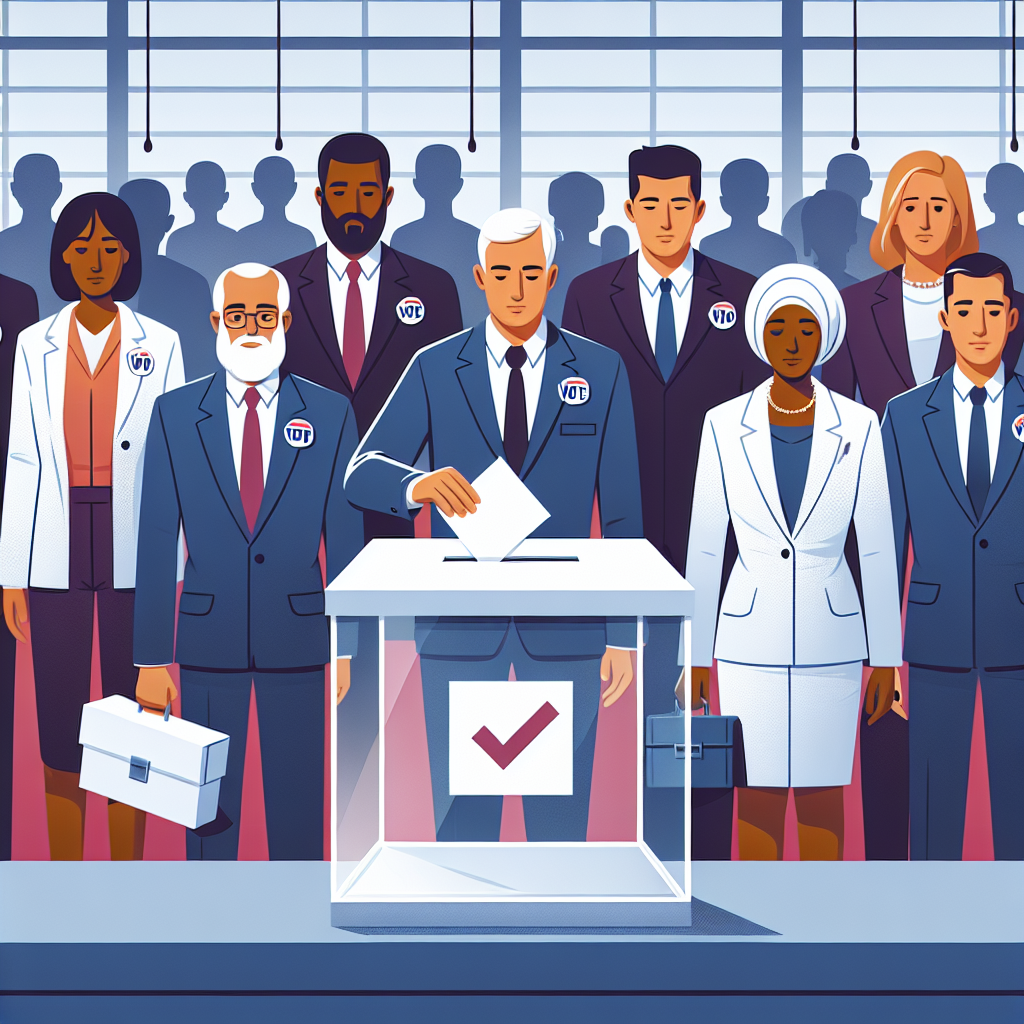

In the ever-evolving landscape of democracy, protecting your voting rights has become essential for ensuring that your voice is heard and your choices matter. With legislative changes and ongoing challenges to voting access, it’s crucial to be informed and prepared to safeguard your rights as a voter. This comprehensive guide will provide you with the tools, knowledge, and steps necessary to effectively protect your voting rights in 2025.
Understanding Your Voting Rights in 2025
Every citizen has the right to vote under the United States Constitution, but the way those rights are upheld can vary widely from state to state. In 2025, it remains critical to understand the laws that govern your right to participate in elections. Federal laws, such as the Voting Rights Act, established foundational protections against discrimination; however, states have the power to regulate their voting processes, which has led to a patchwork of laws that can either protect or hinder participation.


One of the most significant developments in recent years has been the increased scrutiny and modification of voting regulations. Some states have implemented stricter voter ID laws, while others have expanded access through measures like automatic voter registration and mail-in voting. Understanding these nuances is key to knowing what you need to bring when you head to the polls and what options are available to you for casting your ballot, whether it’s in person or by mail.
Taking Steps to Ensure Your Voter Registration
Ensuring that you are properly registered to vote is the first step in protecting your voting rights. Check your voter registration status early, and frequently, especially before election deadlines. With increasing technological advancements in 2025, many states offer online portals where you can easily verify your registration status. If you’re not registered, you can often do so online; however, deadlines vary by state, so make sure to act promptly.
If you move, change your name, or wish to change your political affiliation, you must update your voter registration accordingly. Failure to do so can result in disenfranchisement on Election Day. Familiarize yourself with your state’s specific registration processes and deadlines to ensure your right to vote remains protected and that you are able to participate in upcoming elections.
Understanding Internal and External Challenges to Voting Rights
In 2025, the conversation around voting rights includes acknowledging both internal and external challenges that can lead to voter suppression. Internal challenges may include misinformation about the voting process, which can dissuade individuals from participating. It’s crucial to educate yourself and your community about accurate voting information, including polling locations, voting requirements, and deadlines.
On the other hand, external challenges often stem from legislation aimed at restricting access to voting. This can take many forms, from reduced polling hours and locations to restrictions on mail-in ballots. Advocacy groups across the country are working tirelessly to counter these efforts by highlighting the stories of those adversely affected and pushing for reforms at both state and federal levels. Engaging with these organizations, sharing your experiences, and advocating for proactive legislative changes can help combat these issues.
Utilizing Resources and Organizations for Voter Protection
Numerous organizations are dedicated to protecting voting rights and assisting voters in navigating the electoral process. Groups such as the American Civil Liberties Union (ACLU), League of Women Voters, and Vote.org offer resources that range from legal assistance to educational materials about voting rights. In 2025, many of these organizations have leveraged technology to provide up-to-date information on state-specific laws and have developed apps to help guide you through the voting process.
Moreover, community organizations play a significant role in grassroots efforts to mobilize voters. Engaging with local civic groups that focus on voter registration drives, education, or advocacy can enhance your ability to protect your voting rights and ensure that others in your community are informed and empowered. Collaborative efforts can lead to greater awareness of individual rights and the challenges many face when trying to exercise their democratic privileges.
Becoming an Advocate for Voting Rights
Being diligent about your own voting rights is essential, but advocacy extends beyond individual action. In 2025, becoming an advocate for voting rights means actively participating in conversations about democracy and engaging with policy change. Reach out to your local representatives to express concerns about voter suppression and support legislation that aims to enhance voter access. Consider joining or supporting advocacy groups that align with your values and work towards making voting more accessible for everyone.
Advocating for voting rights also includes educating those around you. Inform friends, family, and coworkers about the importance of voting and the current challenges to voting accessibility. Hosting workshops or community meetings to discuss voter rights can empower a broader audience to take action. Every small effort builds towards a collective movement that emphasizes the importance of protecting our democratic processes.
Staying Updated on Developments in Voting Legislation
The landscape of voting rights is continuously changing, requiring vigilance and awareness from every citizen. As of 2025, new legislation continues to emerge, and ongoing court cases may impact voting regulations in various states. Subscribing to newsletters from reputable organizations that focus on voting rights can aid in staying informed. Many of these groups offer information on newly introduced legislation, court rulings, and even changes to local voting practices.
Furthermore, following local news outlets that cover election issues can provide insight into how proposed laws will affect your voting rights. Social media platforms have also played a critical role in disseminating information about voting rights. Engaging with authoritative voices on these platforms can help navigate misinformation and develop a clearer understanding of your rights and responsibilities as a voter.
### Conclusion
Protecting your voting rights is an ongoing effort that requires awareness, action, and advocacy. Understanding your voter registration status, recognizing the challenges to voting access, utilizing available resources, advocating for necessary changes, and staying informed on legislative developments are all vital aspects of ensuring that your voice is heard in the democratic process. In 2025, it is more crucial than ever to engage actively in discussions about voting rights and work collectively towards a democracy that reflects the will of the people.
### FAQs
What should I do if my voting rights are challenged?
If you encounter an issue while trying to vote, document the incident and seek assistance from voting rights organizations such as the ACLU or Election Protection. They can provide legal guidance and may help you address the situation.
How can I find out if I’m registered to vote?
You can check your voter registration status on your state’s election office website. Many states offer online portals for this purpose, making it easy to verify your registration is active and accurate.
What are some ways to advocate for voting rights in my community?
You can participate by educating others about voting rights, joining local advocacy groups, organizing or attending community meetings on the topic, and contacting your elected representatives to express your support for accessible voting legislation.