
Media Bias in Political Reporting: Myth or Reality?
In today’s rapidly evolving political landscape, the question of media bias in political reporting has garnered significant attention. Understanding whether such bias is a myth or a reality is crucial for citizens seeking unbiased news. This article explores the nuances of media bias, its implications on public opinion, and the ways in which it has transformed over time, especially in the context of the 2025 political environment. By the end of this article, readers will have a comprehensive understanding of media bias and its role in shaping political discourse.


The Nature of Media Bias in Political Reporting
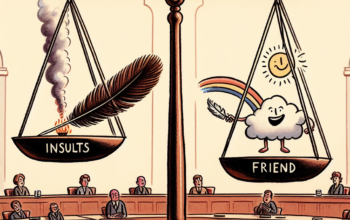
Media bias refers to the tendency of journalists and news organizations to present information in a way that reflects their own preferences, opinions, or institutional agendas. This bias can manifest in various forms: selection of stories, framing of issues, and the tone of reporting. In the digital age, where the news is consumed in real-time, the consequences of biased reporting can be far-reaching, affecting democratic processes and public trust in media institutions. In 2025, as political polarization reaches new heights, media bias is often exacerbated by social media’s power to amplify certain narratives over others, further complicating the landscape.
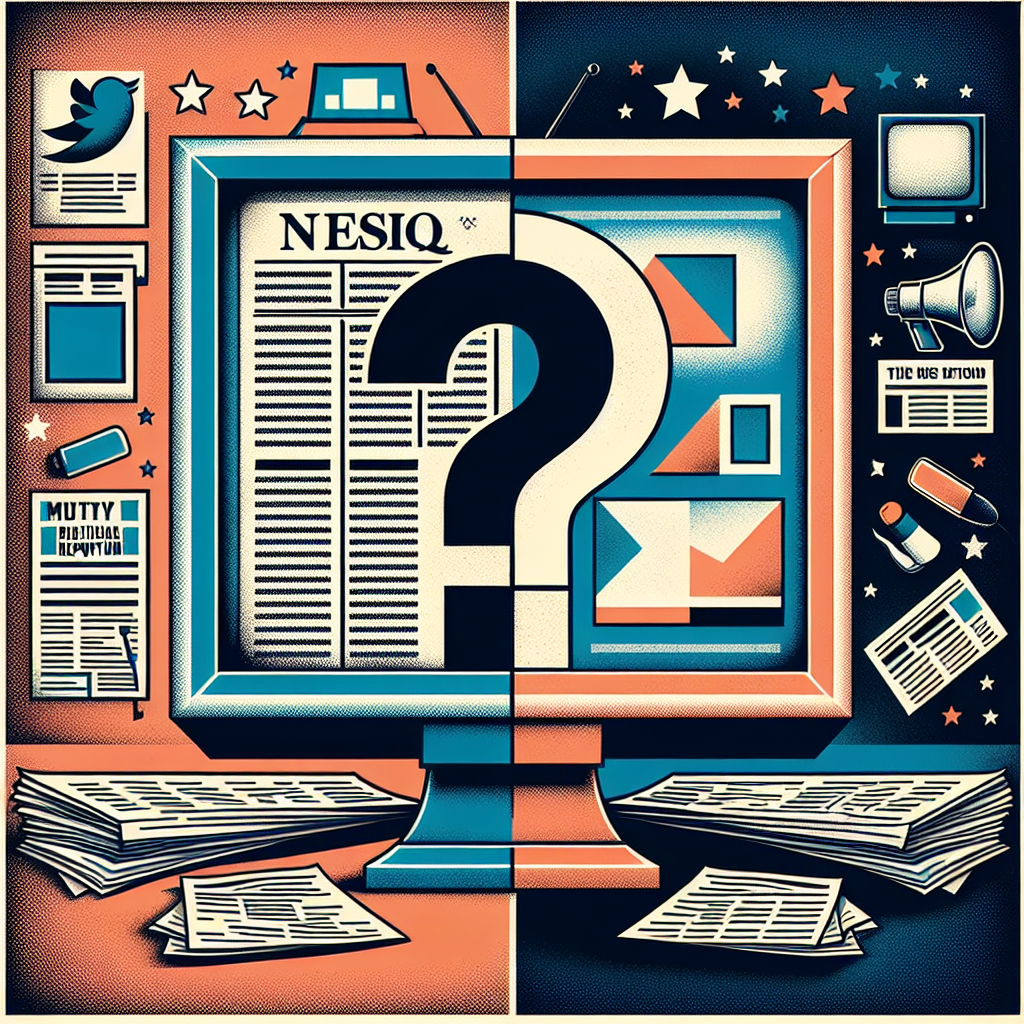
One key aspect of media bias is the selection bias, which occurs when certain facts are highlighted or omitted. For instance, during the 2024 U.S. presidential elections, news outlets faced scrutiny over their choices regarding which candidates to cover and how to present their platforms. Voters often felt that coverage was skewed, depending on whether the outlet aligned with conservative or liberal ideologies. Furthermore, the reliance on algorithms by many digital news platforms can lead to echo chambers, where users receive news that reinforces their existing beliefs. This mechanism not only shows the existence of media bias but amplifies it, leading to an increasingly polarized public.
<h2<Different Perspectives on Media Bias
Analyzing media bias necessitates recognition of diverse perspectives. Some argue that media bias is an inherent trait of journalistic practice, where personal opinions and cultural backgrounds inevitably shape the narratives constructed surrounding political events. A 2025 study by the Pew Research Center highlighted that 72% of journalists admitted to allowing their personal beliefs to influence their work, thereby complicating the assertion of impartiality in reporting. Such admissions call into question the credibility of political reporting and the concept of “objectivity” that journalism often touts.
Conversely, many advocates for the media posit that what is often perceived as bias is simply the natural outcome of differing editorial choices. They assert that the notion of neutrality is overly simplistic, arguing instead for the value of transparency about biases. In an era where trust in media is dwindling, transparency can bolster credibility. Media organizations that openly declare their editorial slants can still provide valuable insights while allowing readers to contextualize the information. Thus, in addressing media bias, one must consider both the perceptive side of bias and the inherent limitations in defining “objective” journalism.
The Impact of Media Bias on Public Opinion
Media bias has lasting implications on public opinion and voting behavior, particularly as elections approach. Research conducted during the 2024 election cycle revealed a stark correlation between news consumption habits and voter decisions. Individuals who primarily relied on news outlets with explicit political leanings tended to reflect those biases in their views and voting habits. This phenomenon raises critical questions about the role of media in democratic societies, where informed citizenry is essential for participation.
In 2025, the consequences of biased reporting can be observed in the stark divisions across social media platforms. Posts and articles supporting one political party often receive more interaction, reinforcing already established views among followers. As a result, voters are exposed to a narrow range of perspectives and may believe their opinions are representative of broader societal sentiments. A study by the Knight Foundation found that people with a strong affinity toward particular media were less likely to engage with opposing viewpoints, effectively narrowing their understanding of complex political issues.
Furthermore, media bias can diminish public trust in institutions. As bias becomes more pronounced, audiences may develop a cynical view of the media landscape, believing that news reporting serves more as political propaganda than impartial information. This skepticism can lead to disengagement from the electoral process, reducing voter turnout and fostering apathy towards civic engagement. In the face of growing political dissatisfaction, it is crucial to address the impact of media bias to ensure that citizens are informed and can participate meaningfully in democracy.
Challenges and Opportunities in Countering Media Bias
Countering media bias poses significant challenges in an age defined by rapid information dissemination. One of the most pressing challenges is the prevalence of misinformation and disinformation, which can exacerbate existing biases. In 2025, media literacy has emerged as a cornerstone in combating this issue. Educators, policymakers, and media organizations are increasingly advocating for initiatives that foster media literacy among citizens. By equipping individuals with the skills to critically evaluate sources and discern fact from opinion, the hope is to mitigate the effects of media bias and cultivate a more informed electorate.
Another avenue for reducing the perception and impact of media bias is through collaborative journalism—an approach that advocates for cooperative news reporting among diverse media outlets. For example, initiatives like the Collaborative Journalism Network launched in early 2025 focus on sharing resources, content, and expertise, allowing multiple perspectives to be represented on critical political issues. Such efforts not only provide readers with a more holistic view of events but also promote trust and transparency within the industry.
However, tackling media bias also requires media outlets to reflect on their roles in a democratic society. By embracing accountability, establishing internal checks and balances, and diversifying their reporting teams, news organizations can work toward minimizing bias. In doing this, they can enhance their credibility and effectively play their part in building an informed citizenry capable of making well-rounded political decisions.
The Future of Media Bias in Political Reporting
As we venture further into 2025 and beyond, the realm of political reporting will undoubtedly evolve. One of the key trends shaping this future is the increasing integration of artificial intelligence (AI) in journalism. AI-powered algorithms can analyze and present large amounts of data, but they also bring risks of not fully understanding context or human nuance. The potential for biased outputs arising from skewed data or improper training of AI systems raises the question of how we will navigate bias in this new landscape. How journalism adapts to these technologies has the potential to reshape the industry entirely.
Moreover, the rise of independent journalism and alternative media channels highlights the demand for diverse viewpoints in reporting. The public increasingly seeks sources that they feel better represent their perspectives. As traditional media outlets continue to grapple with declining trust, independent and grassroots reporting may fill the void, catering to audiences dissatisfied with mainstream narratives. This revitalization can either relieve some consequences of media bias or risk further entrenching ideologies.
Finally, cultivating an ongoing dialogue about media bias is necessary for maintaining democratic values. Engaging citizens in discussions on how to identify and respond to bias can encourage a more critical approach to news consumption. As political dynamics shift, it is imperative that society remains focused on enhancing accountability within the media while promoting open discourse and understanding across various viewpoints.
Conclusion
In summary, media bias in political reporting is not merely a myth but a complex reality that significantly impacts public opinion, democratic engagement, and the relationship between citizens and media institutions. As we advance into 2025, understanding the intricate dynamics of media bias is crucial for navigating an increasingly polarized political environment. With challenges such as misinformation, algorithmic bias, and evolving formats of news consumption, addressing media bias remains a pressing concern. Through enhanced media literacy, collaborative journalism, and accountability within news organizations, we can aim for a more informed electorate and a healthier democratic process.
FAQs
What is media bias?
Media bias refers to the inclination of journalists or news outlets to present news stories in a way that is influenced by their own opinions or agendas. This can manifest in story selection, framing, or the language used in reporting.
How does media bias affect public opinion?
Media bias can shape public opinion by influencing how information is received and interpreted. Audiences often gravitate toward news outlets that align with their beliefs, leading to polarized viewpoints and a misunderstanding of opposing perspectives.
What are the types of media bias?
Some common types of media bias include selection bias, placement bias (where stories are placed within a publication), tone bias, and framing bias. Each form underscores how the presentation of news can sway interpretation and understanding.
Can media bias be reduced?
Media bias can be reduced through initiatives aimed at promoting media literacy, fostering collaboration among different news entities, and encouraging diversity within newsrooms. Transparent reporting practices can also help rebuild public trust.
What role does social media play in media bias?
Social media amplifies media bias by allowing echo chambers to form. Users often engage with content that confirms their existing beliefs, leading to increased polarization and a narrow understanding of political issues.