Nationalism vs. Globalism: The New Political Divide

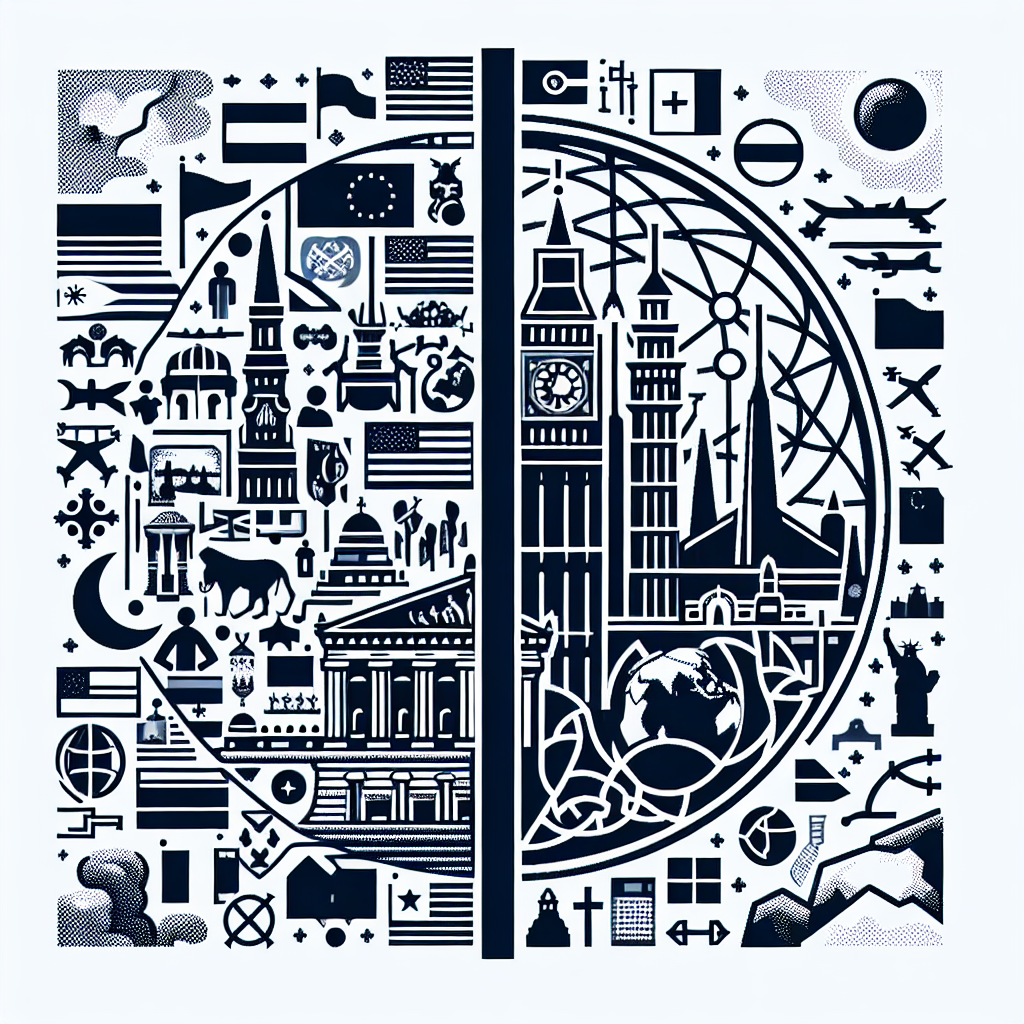
Nationalism and globalism have emerged as vital frameworks shaping political discourse in the 21st century. As we navigate through the complex socio-economic and geopolitical landscapes of 2025, the divide between these two ideologies has become increasingly pronounced. Advocates of nationalism argue for the prioritization of national interests, identity, and sovereignty, while proponents of globalism champion international cooperation, trade, and a sense of shared humanity. This article dives deep into the nuances of nationalism versus globalism, exploring their implications, interconnectedness, and the evolving political landscape.
Understanding Nationalism: A Response to Globalization
Nationalism is characterized by a strong identification with one’s nation, often placing national interests above the concerns of international cooperation. This ideology has gained traction in various parts of the world, especially amid the growing influence of globalization, which many perceive as a threat to national identity and sovereignty. In 2025, through the lens of recent political events, we see a resurgence of nationalist movements across Europe, Asia, and the Americas. These movements often emphasize border control, economic self-sufficiency, cultural preservation, and a rejection of supranational entities that may dilute national sovereignty.
The rise of nationalism can be attributed to a combination of factors, including economic uncertainty, cultural dislocation, and discontent with traditional political systems. In countries like France and Brazil, nationalist leaders have harnessed public sentiment to advocate for policies that prioritize domestic industries and workers over global trade agreements. This resurgence signifies a growing discontent with globalization, which many perceive as favoring multinational corporations at the expense of ordinary citizens. Nationalism, in this context, acts as a rallying point for those feeling left behind in an increasingly interconnected world.
The Globalist Perspective: Advocating for International Cooperation
Globalism, in stark contrast to nationalism, promotes the idea of a borderless world where nations cooperate to address global issues such as climate change, poverty, and health crises. Advocates argue that the world’s interconnected problems require collective solutions unfettered by national boundaries. In 2025, amid ongoing climate crises, globalists emphasize the urgency of international collaboration, particularly as nations grapple with the repercussions of climate change and public health challenges that transcend borders.
Furthermore, globalism encourages economic interdependence, suggesting that nations achieve greater prosperity through trade and cooperation than isolationism. The push for free trade agreements and multinational partnerships showcases how globalism seeks to reduce barriers and foster economic synergy. Supporters argue that this interconnectedness promotes peace and mutual understanding, ultimately benefiting nations and their citizens. In light of the recent pandemic, health and economic resilience have become crucial talking points, sharpening the focus on the need for global collaboration.
The Political Dichotomy: Context and Implications
As nationalists and globalists vie for influence, the political landscape becomes increasingly polarized. The year 2025 has witnessed a significant uptick in election campaigns and political rhetoric centered around this divide. In the United States, the 2024 presidential elections underscored a clash of ideologies. Nationalist candidates framed their platforms around America First policies, critiquing globalist agendas for undermining domestic priorities. Concurrently, globalist candidates argued for renewed international agreements aimed at fostering climate action and equitable trade practices.
The implications of this divide extend beyond electoral outcomes; they shape international relations, influence domestic policy, and alter cultural narratives. The resurgence of nationalism in Europe has led to strained relations within the European Union, where member states grapple with the tension between national identity and collective European goals. Political movements in Hungary and Poland, illustrating a resistance to EU regulations, serve as case studies in this dissonance, highlighting the potential for fragmentation in regional alliances.
Moreover, the tension between nationalism and globalism has profound implications for global cooperation on pressing issues. The debate over immigration, trade policy, and environmental regulations showcases how differing ideologies can lead to divergent approaches, often inhibiting collective action. For instance, nationalist governments may prioritize border security at the expense of collaborative efforts to address climate change, demonstrating how domestic policies can complicate international agreements.
Recent Developments: Nationalism vs. Globalism in 2025
In 2025, the dynamics of nationalism and globalism continue to evolve, influenced by recent events and socio-political shifts. The ongoing impacts of climate change have exacerbated tensions, as nations struggle to balance local economic needs with the imperatives of global cooperation. For example, nations heavily affected by natural disasters are calling for international aid, while simultaneously facing internal pressures to prioritize national recovery over external assistance. This duality reveals a persistent struggle between collective responsibility and national priority in addressing urgent global problems.
Technology has also played a pivotal role in shaping the discourse around nationalism and globalism. The rise of digital platforms means that information is disseminated more rapidly than ever, allowing nationalist and globalist movements to build support and spread their messages effectively. This has significant implications for policymaking, as political leaders adapt their strategies to address the demands of an informed and engaged electorate. In this digital age, movements from both ends of the spectrum are leveraging social media to mobilize support and inspire grassroots activism, leading to a more engaged citizenry.
Additionally, the COVID-19 pandemic has fundamentally altered perceptions of globalism. While the crisis initially spurred a wave of nationalist policies as countries turned inward, the long-term effects suggest a renewed focus on global health initiatives and shared prosperity. In 2025, discussions surrounding vaccine distribution and equitable access to healthcare highlight the necessity for cooperative approaches, emphasizing that certain global challenges cannot be managed in isolation. As a result, a nuanced understanding of nationalism and globalism is emerging, suggesting that elements of both ideologies may be necessary to navigate the complexities of the modern world.
The Future of Nationalism and Globalism
As we move further into the 2020s, the future of nationalism and globalism hinges on a delicate balance. The surge of nationalist movements has underscored the importance of local governance and self-determination, but global issues demand cooperative actions that transcend borders. This calls for a rethinking of how nations engage with one another, weaving together the strengths of both ideologies to navigate contemporary challenges.
The potential for a hybrid approach is growing, where national interests are acknowledged without completely forsaking the need for global cooperation. Politicians in various regions are beginning to adopt policies that blend both perspectives, recognizing that while national identity is important, it should not come at the cost of neglecting international commitments. In the coming years, policies encouraging local economic development while still promoting international partnerships might serve as a roadmap for balancing these ideologies.
Furthermore, the rise of youth activism and global movements has the potential to reshape this divide. Young people today are more interconnected than ever, often advocating for global causes such as climate action, social justice, and equality. This demographic may push future leaders to adopt more globally minded policies that retain national integrity. The passion and commitment to global issues demonstrated by younger generations may compel political figures to work collaboratively, striking a balance that honors both nationalism and globalism.
In conclusion, the dialogue between nationalism and globalism continues to evolve, reflective of the societal complexities we face in 2025. Understanding this new political divide is crucial for shaping future policies and fostering a world where national sovereignty and international collaboration can coexist.
FAQs
What is nationalism?
Nationalism is an ideology that emphasizes the interests and culture of a nation, promoting the idea that a nation should govern itself, free from external interference. It often prioritizes national identity and sovereignty.
What is globalism?
Globalism advocates for international cooperation and interconnectedness among nations, focusing on shared challenges that transcend national borders. It promotes the idea that global issues like climate change and trade require collective action.
How do nationalism and globalism differ?
Nationalism focuses on the sovereignty and interests of individual nations, while globalism emphasizes the importance of international cooperation to address global challenges. The two often clash in political discourse, influencing policies and public sentiment.
Why has nationalism gained popularity in recent years?
Nationalism has gained traction due to economic uncertainties, cultural dislocation caused by globalization, and a growing sentiment that traditional political systems have failed to address the needs of average citizens.
Can nationalism and globalism coexist?
Yes, nationalism and globalism can coexist. A balanced approach recognizing national sovereignty while fostering international cooperation may provide pathways to address both local and global challenges effectively.