Overhauling Electoral Systems: A Path to Political Equity
Introduction
In 2025, the global landscape of politics is undergoing significant transformation, necessitating a comprehensive examination of electoral systems. Overhauling electoral systems: a path to political equity has become a pressing topic as citizens demand fairer representation amid increasing polarization and disillusionment with traditional political processes. This article explores the critical need for electoral reform, evaluates existing systems, suggests innovative approaches, and highlights the importance of equitable representation in fostering a healthier democracy.
The Importance of Electoral Reform
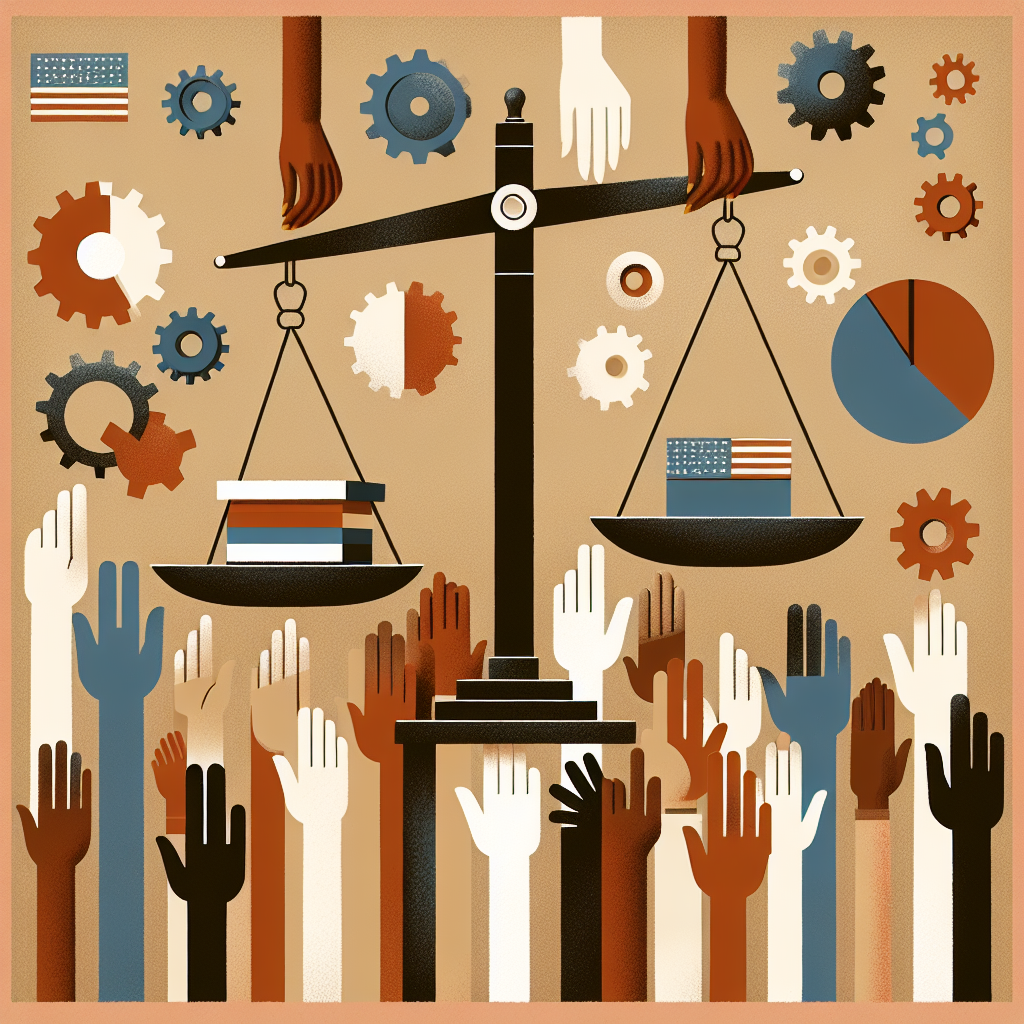
Electoral reform is not merely a buzzword—it is a crucial mechanism for enhancing democracy by ensuring that all voices are heard and represented. As societies become more diverse, the traditional winner-takes-all electoral systems often fail to capture the full spectrum of public opinion. U.S. states, for example, have seen a surge in activist movements pushing for reform to combat voter suppression and gerrymandering, which disproportionately affects minority groups and disenfranchised populations. Thus, reforming these systems is vital to achieving true political equity, as it allows for a more inclusive decision-making process that reflects the community’s needs and desires.
Moreover, electoral reform extends beyond just representation; it influences the overall political culture. When citizens believe their votes matter, engagement in civic activities increases. This is crucial in combating apathy and disillusionment with the political process, which can lead to lower voter turnout and diminished public trust in government institutions. Countries like New Zealand have shown that proportional representation systems can increase voter participation, as individuals feel their choices carry weight in shaping governance. Thus, effective reform can reinvigorate the democratic process and lead to a healthier political environment where citizens feel empowered and accountable.
<h2.Types of Electoral Systems in Use Today
As of 2025, various electoral systems are implemented worldwide, each with its own advantages and disadvantages. The most common systems include first-past-the-post (FPTP), proportional representation (PR), and mixed systems. FPTP is currently used in places like the United States and Canada, where the candidate with the most votes in a district wins. While this can lead to stable governments, it often results in significant electoral discrepancies, as minority parties struggle to gain ground, reducing the pluralism essential for a healthy democracy.
On the other hand, countries employing proportional representation, such as Sweden and Germany, experience a more equitable distribution of parliamentary seats that reflect the actual vote percentages received by parties. This leads to coalitions that may better represent a broader spectrum of public interests. However, these systems can sometimes result in unstable governments due to fragmented coalitions, challenging effective governance. In recent years, there has been a growing interest in mixed electoral systems that attempt to combine the strengths of both FPTP and PR, thus presenting a more balanced approach to representation.
Challenges in Current Electoral Systems
While numerous electoral systems exist, persistent challenges hinder their effectiveness. One significant issue is voter disenfranchisement, with many eligible voters unable to participate effectively in elections due to factors like complicated voter registration processes, strict ID laws, or geographic discrimination. For instance, studies show that minorities and economically disadvantaged citizens face more barriers when voting, reflecting systemic inequalities entrenched within electoral mechanisms. This challenge calls for comprehensive electoral reforms to simplify registration, enhance accessibility, and expand early voting opportunities.
Additionally, gerrymandering poses a substantial threat to fair representation. The manipulation of electoral district boundaries to favor one party over another distorts the electoral process, leading to outcomes that do not align with the electorate’s will. Despite numerous legal challenges, gerrymandering continues to plague democratic institutions, particularly in the U.S. Reform advocates argue for independent redistricting commissions to combat this issue, emphasizing the need for transparency and fairness in how districts are drawn. Addressing these challenges is critical to creating a political landscape where every vote genuinely counts.
Innovative Approaches to Electoral Reform
As political climates evolve, innovative approaches to reforming electoral systems are crucial for enhancing political equity. One promising strategy is the adoption of ranked-choice voting (RCV). This system allows voters to rank candidates in order of preference rather than voting for a single candidate. In practice, RCV ensures that elected officials garner wider support since candidates must aim to appeal to a broader audience. By minimizing the spoiler effect of third-party candidates, RCV can lead to more representative outcomes and greater voter satisfaction. Several jurisdictions in the U.S. have already adopted RCV with positive results, demonstrating its potential as a viable electoral reform option.
Another innovative approach gaining traction is online voting technology. As technology progresses, leveraging secure digital platforms for voting can enhance accessibility and participation, particularly among younger voters who are digital natives. Implementing robust cybersecurity measures is essential to protect this system against misinformation and fraud, ensuring its integrity. Additionally, combining online voting with traditional methods could accommodate diverse voter preferences while increasing overall turnout rates.
Finally, increasing public engagement and education around electoral processes is integral to reform efforts. Initiatives that raise awareness about the impact of electoral systems on representation can galvanize citizens to demand change. Educational programs aimed at equipping voters with the knowledge they need to navigate electoral procedures can foster a culture of active participation. Such grassroots movements have the potential to accelerate reform as people mobilize for equitable electoral practices.
The Role of Civil Society and Grassroots Movements
Civil society organizations and grassroots movements have been pivotal in advocating for electoral reform and promoting political equity. Following heightened awareness of systemic inequities, numerous organizations have emerged focusing on educating voters, supporting reform efforts, and mobilizing communities. These movements not only draw attention to the need for change but also equip citizens with the tools and knowledge necessary to hold their representatives accountable. Various groups, like FairVote and the League of Women Voters in the United States, continue to lead initiatives advocating for fair electoral practices that foster inclusivity.
Furthermore, international collaboration among civil society organizations allows for knowledge sharing and best practices across borders. As countries grapple with similar electoral challenges, sharing experiences can illuminate pathways toward effective reform. For instance, countries like Canada and New Zealand have collaborated with civil society groups to exchange valuable insights into successful electoral practices. Such collaboration emphasizes the importance of global solidarity in the pursuit of equitable representation and serves as a reminder that electoral systems are not isolated entities but part of a larger tapestry of democratic governance.
The importance of addressing systemic inequities also extends beyond national boundaries. Global organizations such as the United Nations and the European Union promote the adoption of fair electoral systems in member states. Their advocacy highlights the international consensus on the necessity of electoral reforms to uphold democratic principles and protect human rights. By placing electoral systems under the magnifying glass, civil society plays an active role in challenging complacency and heralding moments of transformation in political landscapes.
Conclusion
As we navigate an increasingly complex political environment in 2025, the need for overhauling electoral systems cannot be overstated. From addressing voter disenfranchisement and gerrymandering to embracing innovative approaches such as ranked-choice voting and online voting technology, a multifaceted approach is essential in achieving political equity. Engaging civil society and grassroots movements in the conversation further underlines the importance of public involvement in reforming electoral systems. By collectively advocating for fair representation and enhancing civic engagement, we can pave the way for a more inclusive and equitable political landscape that serves all citizens.
FAQs
What is electoral reform and why is it important?
Electoral reform refers to changes made to electoral systems aimed at improving fairness, representation, and inclusivity in the political process. It is important because inequitable electoral systems can disenfranchise groups, distort representation, and undermine public trust in government.
What are the main types of electoral systems?
The main types of electoral systems include first-past-the-post (FPTP), proportional representation (PR), mixed electoral systems, and ranked-choice voting (RCV). Each system has unique features that impact how votes are translated into seats and how well they represent public preferences.
How does gerrymandering affect elections?
Gerrymandering involves manipulating electoral district boundaries to favor one political party over another, distorting representation and undermining the electoral process. It can lead to misaligned electoral outcomes that do not reflect the true preferences of voters.
What role do grassroots movements play in electoral reform?
Grassroots movements are integral to electoral reform as they raise awareness, mobilize communities, and advocate for changes in electoral practices. These organizations empower citizens to demand reform and hold their representatives accountable.
What innovations are being introduced in electoral systems?
Innovations in electoral systems include ranked-choice voting, online voting technology, and increased public engagement through educational initiatives. These advancements aim to enhance representation and accessibility in the electoral process.