Political corruption remains a significant challenge for democracies around the globe, influencing various aspects of governance, policy-making, and especially voter behavior. The intertwining of corruption with electoral processes fosters a climate of disillusionment and disengagement among citizens, ultimately affecting voter turnout. In 2025, as nations grapple with the aftermath of heightened corruption scandals and increased scrutiny of political systems, understanding the effects of political corruption on voter turnout is more pertinent than ever. This article delves into the nuances of political corruption and its profound impact on citizen participation in elections.
The Nature of Political Corruption
Political corruption manifests in various forms, including bribery, nepotism, embezzlement, and the manipulation of policies for the benefit of a select few rather than the public good. Such behavior erodes the public’s trust in government institutions and compromises the fundamental principles of democracy—accountability and transparency. In 2025, many countries, including established democracies, have faced corruption cases that highlight the vulnerability of electoral processes to unethical practices. Scandals involving high-ranking officials often make headlines, leading citizens to question the integrity and intentions of their leaders.
The ramifications of political corruption extend beyond individual cases; they create an environment where unethical behavior is normalized. As more citizens observe corrupt practices unpunished, a culture of cynicism prevails, undermining the integrity of public institutions. This culture not only decreases the perceived legitimacy of governmental authority but also leads to disillusionment among the electorate, diminishing their motivation to participate in elections. The more citizens feel that their votes have no impact, the more likely they are to withdraw from the electoral process altogether.
<h2The Link Between Corruption and Voter Apathy
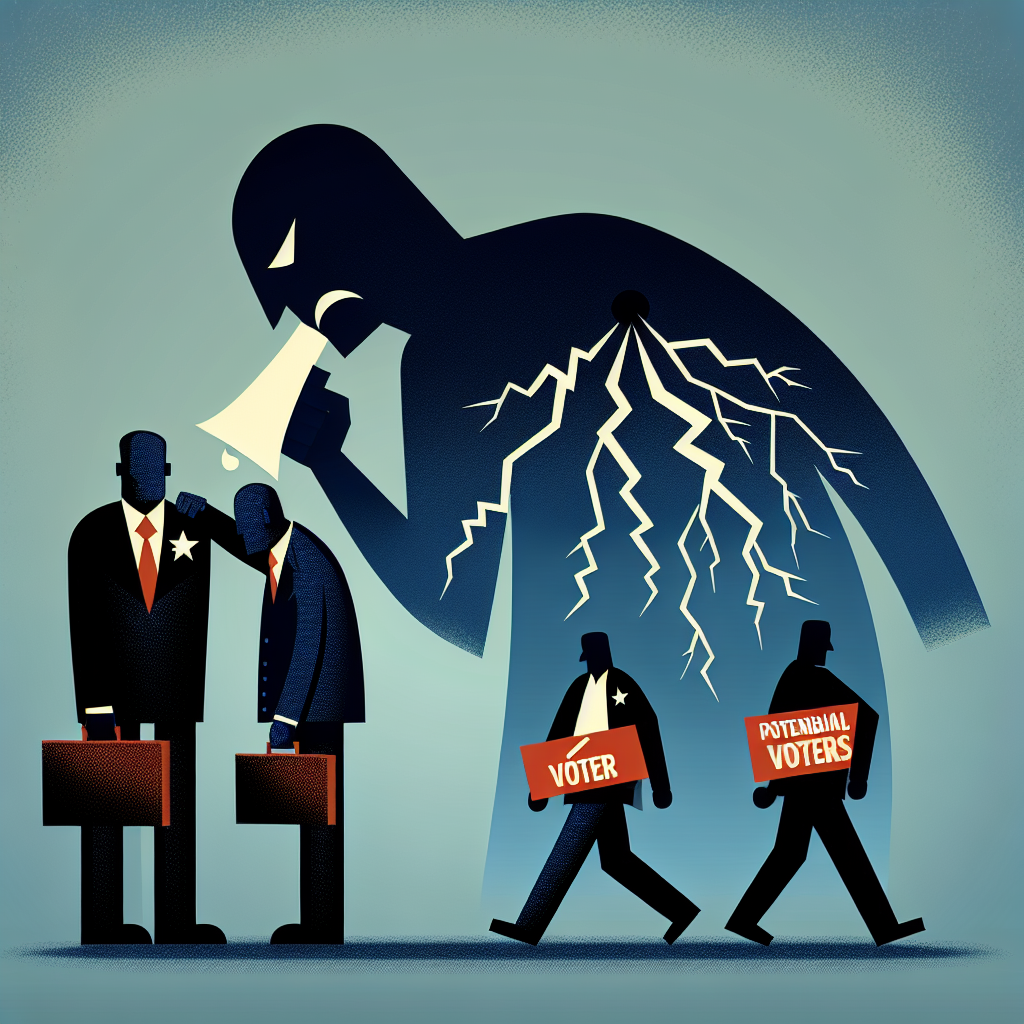
A direct correlation exists between high levels of political corruption and increased voter apathy. When citizens perceive that their political system is rife with corruption, they often feel disempowered, leading to lower engagement levels during elections. In 2025, data from various countries indicate significant drops in voter turnout following corruption scandals that highlighted the inadequacy of accountability measures. This apathy stems from the belief that the democratic process is skewed in favor of powerful elites who manipulate the system to their advantage.
Moreover, voter apathy is exacerbated by the perception that electoral outcomes are predestined due to systematic corruption. Many potential voters believe that their participation would not result in meaningful change, especially when their choices are likely to be influenced or overridden by corrupt practices. As a result, increasing skepticism leads to a cycle: lower voter turnout diminishes candidates’ accountability to their constituents, further perpetuating corruption within the political structure.
Corruption’s Impact on Election Dynamics
Political corruption not only affects individual voter behavior but also alters the dynamics of entire elections. In 2025, several elections worldwide have been disrupted by allegations of corruption, influencing candidates’ campaigns and strategies. Corrupt practices like vote-buying and manipulation of electoral laws create an uneven playing field, favoring incumbents or those with substantial resources, thereby limiting genuine democratic competition. Such manipulation significantly impacts the motivations of ethical candidates who may refrain from running for office due to the perceived futility of competing against corrupt adversaries.
Furthermore, a politically corrupt environment often leads to the suppression of dissenting voices and restricted media coverage of essential electoral issues. This lack of transparency prevents voters from making informed decisions, resulting in a populace that is either apathetic or misinformed. In many nations, voter disenfranchisement through corruption has reached alarming levels, with various marginalized communities being directly targeted by corrupt officials trying to secure electoral advantages.
The immediacy of these dynamics has prompted civil society organizations and advocacy groups to fight for electoral reforms. In 2025, many countries have seen a surge in initiatives aimed at improving transparency and reducing corruption in electoral processes. These efforts include the establishment of independent watchdogs, revision of campaign financing laws, and the introduction of technology-driven solutions to guarantee election integrity. By addressing these systemic issues, stakeholders hope to foster a more engaged and informed electorate, thereby reversing the trend of voter apathy.
The Role of Civic Engagement and Education
Civic engagement is crucial in combating the pervasive effects of political corruption on voter turnout. In 2025, numerous non-governmental organizations (NGOs) and community groups have initiated programs designed to educate citizens about their rights and the importance of their vote in a functioning democracy. These programs focus on mobilizing individuals to hold their elected officials accountable and transparently participate in the political process. By enhancing civic awareness and promoting active participation, these initiatives aim to rebuild trust between citizens and their governing bodies.
Educational campaigns that emphasize the correlation between voter participation and real political change can empower individuals to become more active participants in democracy. In an era where misinformation spreads rapidly, it is vital to equip voters with the skills to discern credible information and question the integrity of political candidates. Such empowered citizens are more likely to vote, insist on better governance, and promote policy changes that address the root causes of corruption.
Additionally, fostering a culture of transparency requires engagement from the private sector and media organizations, too. By ensuring that corruption is reported and discussed openly, these sectors can play a significant role in raising awareness and instilling a sense of urgency. In 2025, some media outlets have stepped up to cover corruption extensively, leading to public outcry and demands for accountability. Highlighting the consequences of corruption can inspire voters to take action, whether by voting or by participating in advocacy campaigns aimed at reforming political systems.
Conclusion: Countering the Effects of Political Corruption
In conclusion, political corruption poses a severe threat to voter turnout and democratic participation. The cyclical relationship between corruption and voter apathy undermines the efficacy of electoral processes and perpetuates a culture of disillusionment among citizens. However, through enhanced civic engagement, transparency measures, and educational initiatives, it is possible to combat these negative trends. As we move further into 2025, it will be crucial for governments, civil society, and citizens to come together to promote integrity and rebuild voter confidence in democratic institutions. Addressing the roots of political corruption effectively will not only improve voter turnout but also strengthen the fundamental tenets of democracy itself.
FAQs About Political Corruption and Its Effect on Voter Turnout
What is political corruption?
Political corruption refers to the unethical behavior by government officials that seeks personal gain, often at the expense of the public good. This can include bribery, embezzlement, favoritism, and other illicit activities.
How does political corruption affect voter turnout?
Political corruption can lead to voter apathy by decreasing trust in governmental institutions, making citizens feel that their votes do not matter. This results in lower engagement levels and reduced participation in elections.
What are some examples of political corruption affecting elections?
Examples include vote-buying, manipulation of electoral laws, and the suppression of dissenting voices. Such practices create an uneven playing field, favoring certain candidates and discouraging ethical competition.
What role does civic engagement play in combating political corruption?
Civic engagement fosters transparency, holds officials accountable, and empowers citizens to actively participate in the political process, thereby helping to rebuild trust and encourage higher voter turnout.
What initiatives can improve voter turnout in corrupt political environments?
Initiatives can include implementing stronger oversight mechanisms, promoting transparency in campaign financing, conducting voter education campaigns, and establishing independent electoral commissions to monitor corruption.