Political Corruption Through the Lens of History


Political Corruption Through the Lens of History
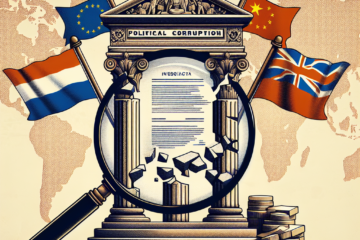
Political corruption is a pervasive issue that transcends borders and time, impacting governments and societies across the globe. From ancient civilizations to contemporary democracies, corrupt practices have undermined political systems, eroded public trust, and fueled social inequalities. This article will explore the multifaceted nature of political corruption through history, examining its causes, consequences, and potential solutions.
The Definition and Forms of Political Corruption
Understanding political corruption begins with defining what it entails. Generally, political corruption refers to the abuse of power by government officials for illegitimate personal gain. This can manifest in various forms, including bribery, nepotism, embezzlement, extortion, and vote-buying. These unethical practices not only distort democracy but also create significant barriers to development and societal progress. Throughout history, officials have engaged in corrupt behavior, often prioritizing personal enrichment over the public good.
The manifestations of political corruption are not uniform; they vary by context and cultural norms. In some places, corruption might be covert, with officials engaged in backdoor dealings and obscure financial transactions. In others, it may be overt, with politicians openly accepting bribes or displaying wealth that starkly contrasts with public standards. Across nations and epochs, the common thread is the erosion of public trust and integrity within governance.
Historical Examples of Political Corruption
Examining historical examples of political corruption reveals patterns that persist into modern times. One notable instance is the Roman Empire’s decline, marked by rampant corruption among its leaders. As emperors sought greater power, they employed corrupt tactics, such as bribing military commanders and manipulating political rivals. The infamous case of Emperor Nero illustrates how personal vendettas and corruption degraded political integrity, ultimately contributing to the empire’s downfall.
In more recent history, the Watergate scandal in the United States serves as a crucial lesson on political corruption’s capabilities to destabilize governments. The scandal, involving a break-in at the Democratic National Committee headquarters, highlighted a web of deceit that reached the highest office in the country. The ensuing cover-up and subsequent resignation of President Richard Nixon underscored the dire consequences of corrupt practices within political institutions, sparking a national conversation about the need for transparency and accountability in governance.
Causes of Political Corruption
The roots of political corruption can often be traced back to systemic issues that create fertile ground for corrupt practices. One significant cause is the concentration of power. When power becomes centralized without proper checks and balances, opportunities for corruption flourish. In many autocratic regimes, leaders wield excessive control over state resources, leading to an environment where corrupt practices go unchecked. This centralization not only enables corruption but also breeds a culture of impunity, wherein officials believe they can act without fear of repercussions.
Additionally, economic inequality plays a critical role in fostering corruption. In societies where wealth is unevenly distributed, individuals and entities with financial resources may exert undue influence on politicians. This phenomenon, known as “money in politics,” results in policies that favor the elite, perpetuating corruption and undermining social justice. An example of this is seen in countries with weak legal frameworks; wealthy individuals can often manipulate the system to gain advantages, further entrenching corruption within political structures.
Consequences of Political Corruption
The consequences of political corruption extend far beyond individual cases, impacting entire nations and their populations. Corruption undermines democratic governance, as it erodes the trust that citizens have in their elected representatives. When citizens perceive their leaders as corrupt, they may disengage from the political process altogether, leading to lower voter turnout and civic participation. This disengagement creates a vicious cycle, where unaccountable officials can remain in power unchallenged, perpetuating corrupt practices.
Furthermore, political corruption stifles economic development, creating an environment that is uninviting for investment. Businesses often shy away from heavily corrupt environments due to uncertainties and the potential costs of engaging in unethical practices. This results in diminished economic growth and diminished opportunities for citizens, exacerbating poverty and inequality. A clear example can be observed in many countries in Sub-Saharan Africa, where corruption-related issues have stunted growth and frustrated development efforts, despite the presence of abundant natural resources.
Solutions and Remedies for Political Corruption
Addressing political corruption requires a multifaceted approach that involves reforms across various sectors. One crucial step is implementing stringent legislation and regulations designed to enhance transparency and accountability in government operations. Anti-corruption laws, proper reporting requirements, and open data initiatives can help create an environment where illicit actions are more difficult to conceal. Countries like Sweden and New Zealand demonstrate that robust frameworks can significantly mitigate corruption and establish strong public trust in governmental institutions.
Another vital aspect of combating political corruption is fostering an active and engaged civil society. Empowering citizens through education and advocacy encourages the public to hold officials accountable for their actions. A well-informed electorate can challenge corrupt practices and demand integrity from their leaders. Grassroots movements and collaborations between civil society organizations also play an important role in monitoring government activities and pushing for reforms.
Finally, leveraging technology can serve as a powerful tool in the fight against corruption. The advent of digital platforms facilitates greater transparency and engagement, allowing citizens to report corruption, access public records, and monitor government spending. E-governance and blockchain technologies are examples of how innovation can reduce opportunities for corrupt practices, promoting accountability and enhancing the integrity of political systems.
Conclusion
Political corruption, with its historical roots and contemporary manifestations, remains a significant challenge that threatens the integrity of governments and the well-being of societies worldwide. By understanding its definitions, historical examples, causes, and consequences, we can better appreciate the urgency of addressing this issue. Implementing effective solutions, such as robust legislation, civic engagement, and technological innovation, is essential in the ongoing fight against corruption. The lessons from history illuminate the path forward and highlight our collective responsibility to foster integrity and accountability in governance.
FAQs
What are the most common forms of political corruption?
The most common forms of political corruption include bribery, embezzlement, nepotism, fraud, and vote-buying. Each of these practices undermines democratic processes and erodes public trust in government institutions.
How does political corruption affect economic growth?
Political corruption stifles economic growth by creating an unpredictable business environment, discouraging foreign investment, and fostering inefficiency. Corruption can lead to misallocation of resources, diminished public services, and ultimately, increased poverty and inequality.
What can citizens do to combat political corruption?
Citizens can combat political corruption by staying informed about government practices, advocating for transparency and accountability, engaging in civic activities, and supporting anti-corruption initiatives. Collective action and public awareness are crucial in pressuring governments to adopt and enforce anti-corruption measures.