Social Justice Movements: A Catalyst for Political Change

Introduction
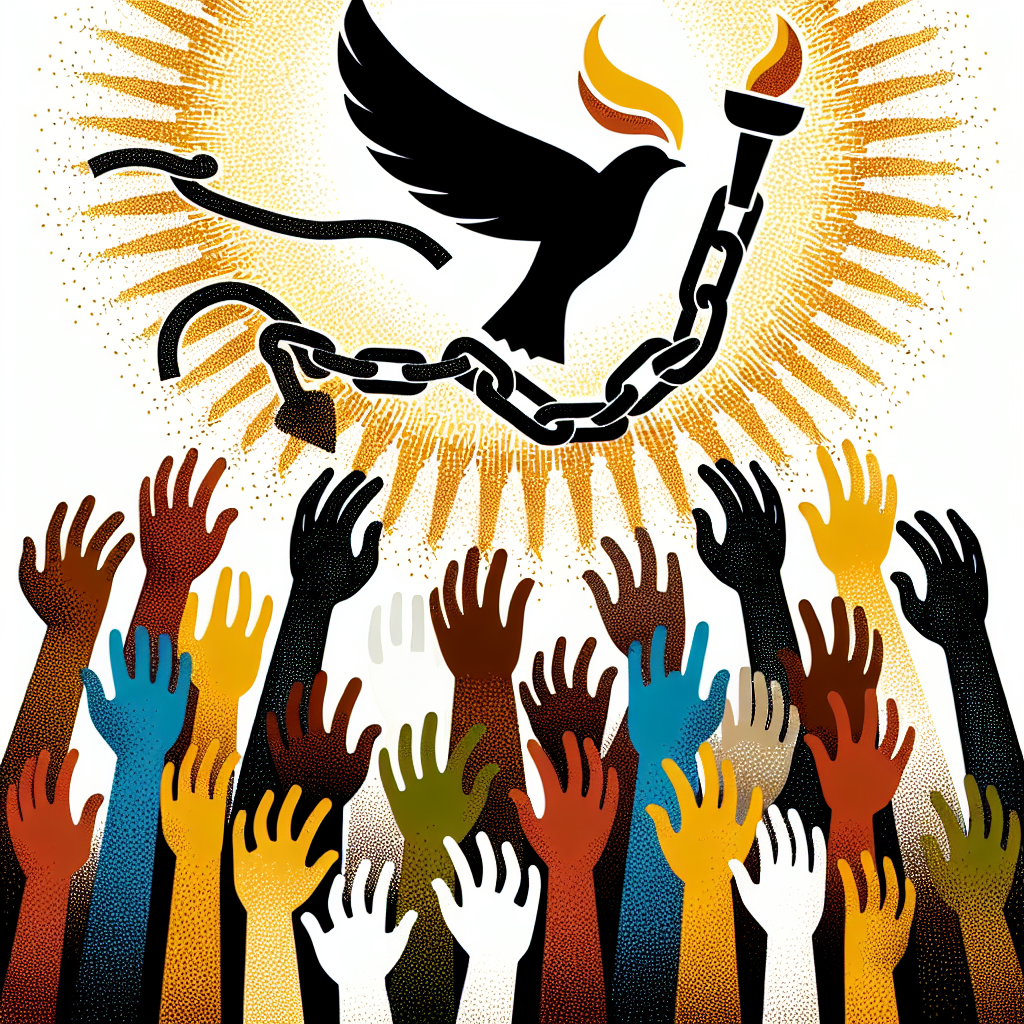
Social justice movements have historically sparked significant political change across nations and cultures. As of 2025, these movements continue to reshape political landscapes, advocating for equality, human rights, and social reforms. Through collective action and grassroots initiatives, these movements not only raise awareness about injustices but also mobilize communities to demand accountability from political entities. This article delves into the nuanced relationship between social justice movements and political change, exploring how they serve as catalysts for transformative societal shifts in the modern landscape.
The Role of Social Justice Movements in Shaping Policy Change
Social justice movements are instrumental in advocating for legislative reforms that address systemic inequalities. For instance, movements such as Black Lives Matter and Me Too have been pivotal in influencing policies related to law enforcement reforms and workplace equality, respectively. By bringing attention to issues that affect marginalized communities, these movements compel policymakers to consider legislative changes that promote equity. In 2025, the continued advocacy for policies such as the George Floyd Justice in Policing Act demonstrates the lasting impact of social justice movements on legislative processes.
Additionally, the relationship between social justice activism and policy change is often facilitated through strategic collaborations with allies in government, NGOs, and the private sector. When these movements unify their demands and present a coherent message, they create significant pressure on legislators to respond to their calls for change. The intersectional approach adopted by various social justice movements in recent years underscores the importance of broadening the fight for justice, encompassing issues such as environmental justice and indigenous rights, thereby reinforcing their collective power.
The Impact of Digital Activism on Social Movements
The rise of the internet and social media has profoundly transformed how social justice movements operate and mobilize. In 2025, platforms like Twitter, Instagram, and TikTok serve as powerful tools for awareness and engagement, allowing activists to reach a global audience. Hashtags like #ClimateJustice and #EqualityForAll can rally support and generate conversations around critical social issues in real time. This rapid dissemination of information aids in building solidarity across borders, making local struggles part of a larger global fight for justice.
Moreover, digital activism has enabled grassroots movements to amplify their voices without the need for traditional gatekeepers. The democratization of information has empowered individuals, particularly youth, to engage in advocacy and challenge injustices in their communities. High-profile campaigns, such as those supporting racial equality, women’s rights, and LGBTQ+ rights, exemplify how digital platforms can mobilize millions within a matter of hours—underscoring the integral role of technology in modern social justice movements.
The Intersectionality of Social Justice Movements
Intersectionality is a critical principle within social justice movements, recognizing the interconnected nature of social categorizations like race, class, gender, and sexuality. This comprehensive approach fosters a more inclusive dialogue and understanding of the multifaceted nature of oppression, which is crucial for effective activism. In 2025, the acknowledgement of intersectionality significantly influences how movements strategize and implement their agendas, ensuring that diverse voices are included in the fight for justice.
Movements that prioritize intersectionality are better equipped to resonate with various communities, addressing unique challenges faced by individuals at the crossroads of multiple identities. For instance, women of color often encounter different barriers compared to their white counterparts, and their experiences must be considered within the broader framework of women’s rights advocacy. By embracing intersectionality, social justice movements can craft initiatives that are not only aimed at policy reform but also seek to uplift and empower the most marginalized voices.
Furthermore, this approach enhances coalition-building across various social justice movements. In 2025, we see alliances formed between environmentalists and racial justice advocates as they recognize the overlap in their struggles—a powerful reminder that the fight against climate change is also about preserving the rights and dignities of underserved communities who disproportionately suffer the effects of environmental degradation.
The Challenges Faced by Social Justice Movements Today
Despite their successes, social justice movements face numerous challenges in 2025. One major obstacle is state repression and institutional pushback against activism. Governments worldwide have implemented laws aimed at curtailing protests and restricting the freedoms of assembly and expression. This suppression creates an environment where activists must navigate complexities that threaten their efforts to mobilize effectively. Movements must continually adapt to these challenges, employing innovative strategies that uphold their principles while nullifying resistance from hostile regimes.
Additionally, the risk of co-optation poses a significant threat to the integrity of social justice movements. In the pursuit of mainstream acceptance, original intentions can be diluted, resulting in a shift away from radical change towards more palatable, but less impactful, reforms. In recent years, we’ve observed how corporations and institutions attempt to align themselves with social justice rhetoric without truly addressing the systemic issues at hand. This phenomenon underscores the necessity for movements to remain vigilant and maintain their core messages amidst external pressures.
Finally, internal divisions can also challenge the cohesion of social justice movements. The quest for authenticity and representation can sometimes lead to disagreements about priorities and strategies, potentially undermining collective goals. In 2025, successful movements are focusing on fostering inclusive dialogues that allow for diverse perspectives while maintaining a unified front in their advocacy efforts.
<h2<Success Stories of Social Justice Movements and Political Change
Social justice movements have scripted several success stories in their relentless pursuit of political change. The demand for racial justice and police reform gained unprecedented momentum following high-profile incidents of police brutality. In 2025, the successful passing of various legislative measures aimed at accountability and transparency is a testament to the tireless work of activists, who utilized protests, social media campaigns, and strategic lobbying to secure tangible results. The implementation of body-worn cameras for law enforcement and the establishment of independent review boards for incidents involving police violence are direct responses to sustained advocacy by social justice organizations.
Another compelling success story lies within the climate justice movement. Activists have successfully lobbied governments to commit to carbon neutrality and adopt green policies that prioritize environmental equity. Initiatives like the Green New Deal, which are rooted in social justice principles, aim to address both climate change and economic inequalities. In 2025, countries across the globe are recognizing the correlation between environmental sustainability and social equity, making climate justice a central issue that holders of political power must address.
Moreover, the movement for LGBTQ+ rights has seen significant accomplishments, including the legalization of same-sex marriage in various nations and the broadening of anti-discrimination laws. In 2025, many activists continue to fight against discriminatory policies and for the rights of transgender individuals, ensuring that legal protections extend to all members of the LGBTQ+ community. The steady progress towards inclusivity showcases how sustained activism can lead to profound changes in societal norms and legal frameworks.
Conclusion
Social justice movements play an indispensable role as catalysts for political change in today’s society. The synergy created between grassroots activism, digital outreach, and intersectional approaches has led to noteworthy successes in addressing inequity and pushing for social reforms. However, in the face of challenges such as state repression and internal divisions, these movements must remain vigilant and adaptive to continue advocating for justice. As we move forward into a new era in 2025, the collective power and resilience of social justice movements will undoubtedly shape the political landscape and champion the rights of all individuals.
FAQs
What are social justice movements?
Social justice movements are organized efforts aimed at advocating for equality and addressing systemic injustices within society. These movements address various issues, including racial, gender, environmental, and economic inequalities.
How do social justice movements influence political change?
Social justice movements influence political change by advocating for legislative reforms, raising awareness about social issues, and mobilizing communities to demand accountability from political entities. Through protests, lobbying, and digital activism, these movements create pressure for reform.
Why is intersectionality important in social justice movements?
Intersectionality is important in social justice movements because it recognizes the interconnected nature of social categorizations, ensuring that diverse experiences and voices are included in advocacy efforts. This approach fosters a more comprehensive understanding of oppression and promotes inclusive dialogues.
What challenges do social justice movements face today?
Social justice movements today face challenges such as state repression, co-optation by mainstream entities, and internal divisions. These obstacles can hinder their ability to mobilize effectively and maintain focus on their core goals.
Can you provide examples of successful social justice movements?
Examples of successful social justice movements include Black Lives Matter, which has led to significant police reforms, and the climate justice movement, which has prompted governments to prioritize environmental sustainability through legislative measures. The LGBTQ+ rights movement has also achieved milestones such as the legalization of same-sex marriage in various countries.