Introduction
Throughout American history, the struggle for voting rights has been a significant aspect of social justice movements. Several Supreme Court cases have profoundly influenced voter rights, shaping the landscape of democracy in the United States. In this article, we will explore landmark Supreme Court cases that changed voter rights forever, showcasing their impact on the legal framework surrounding voting and identifying ongoing challenges as of 2025.
Understanding the Evolution of Voter Rights in Supreme Court Cases
The evolution of voter rights in the United States has seen extraordinary shifts due in large part to Supreme Court interpretations of the Constitution and federal laws. From the early days of the republic up until contemporary times, the Supreme Court has often been the arbiter of issues surrounding voter disenfranchisement, gerrymandering, and the Voting Rights Act of 1965. The interpretation of the Constitution regarding who can vote and under what circumstances has changed dramatically over the decades, often reflecting the sociopolitical climate of the time.
In 2025, issues surrounding voter rights remain hotly debated, marked by concerns over voter ID laws, mail-in voting restrictions, and gerrymandering practices that continue to disenfranchise marginalized communities. Supreme Court cases like Shelby County v. Holder and Brnovich v. Democratic National Committee have set precedents that underscore the ongoing tension between states’ rights to regulate elections and the federal government’s role in protecting the voting rights of citizens, emphasizing how vital legal interpretations remain in safeguarding democratic access.
Key Supreme Court Cases That Shaped Voter Rights
One of the most significant cases affecting voter rights was Brown v. Board of Education (1954). While primarily focused on the desegregation of public schools, the ruling catalyzed movements that demanded equal voting rights for African Americans and other marginalized groups. The Court’s unanimous decision that “separate but equal” schools were inherently unequal laid the legal groundwork for dismantling institutional racism, expanding the fight for voter rights among allies who understood that access to education was closely tied to civic participation.
Another crucial case was Harper v. Virginia Board of Elections (1966). In this pivotal ruling, the Supreme Court invalidated poll taxes imposed by the state of Virginia, declaring them unconstitutional under the Equal Protection Clause of the Fourteenth Amendment. This decision not only eliminated one more barrier that disenfranchised many low-income voters—particularly African Americans—but also affirmed the principle that voting is a fundamental right that should not be hindered by financial barriers. Such transformative rulings indicated a collective shift toward a more equitable electoral process.
Contemporary Challenges to Voter Rights and the Court’s Role
As we reach 2025, several recent Supreme Court cases highlight how contemporary challenges to voter rights continue to emerge. In Shelby County v. Holder (2013), the Court struck down significant components of the Voting Rights Act, particularly Section 4, which established a formula for determining which jurisdictions were subject to federal oversight when changing voting laws. This ruling effectively weakened the federal government’s ability to monitor and prevent racial discrimination in voting, leading to a resurgence of state laws that many believe disproportionately affect minorities. The implications of this ruling have elevated concerns about voter suppression and the marginalization of voices in the electoral process.
The 2021 case Brnovich v. Democratic National Committee has also had far-reaching effects on voter rights. The Court upheld Arizona’s voting regulations, which included restrictions on ballot collection, arguing that they did not violate the Voting Rights Act. Critics argue this decision disproportionately impacts minority communities who rely more heavily on these services for accessing the ballot. These contemporary rulings serve as a reminder that the interpretation of voting rights continues to be shaped by the composition of the Supreme Court, reflecting not only the legal values but also the political ideologies of those in power.
The Court’s ongoing role is both a protector and a potential aggressor in the fight for voter rights. As numerous states continue to implement measures perceived to limit access to the ballot—such as stricter voter ID laws and limits on mail-in voting—the need for vigilant scrutiny by the judiciary remains paramount. The balance between states’ authority and the federal obligation to protect voting rights presents a complex legal battleground, particularly in a polarized political landscape.
The Role of the Voting Rights Act in Shaping Voter Access
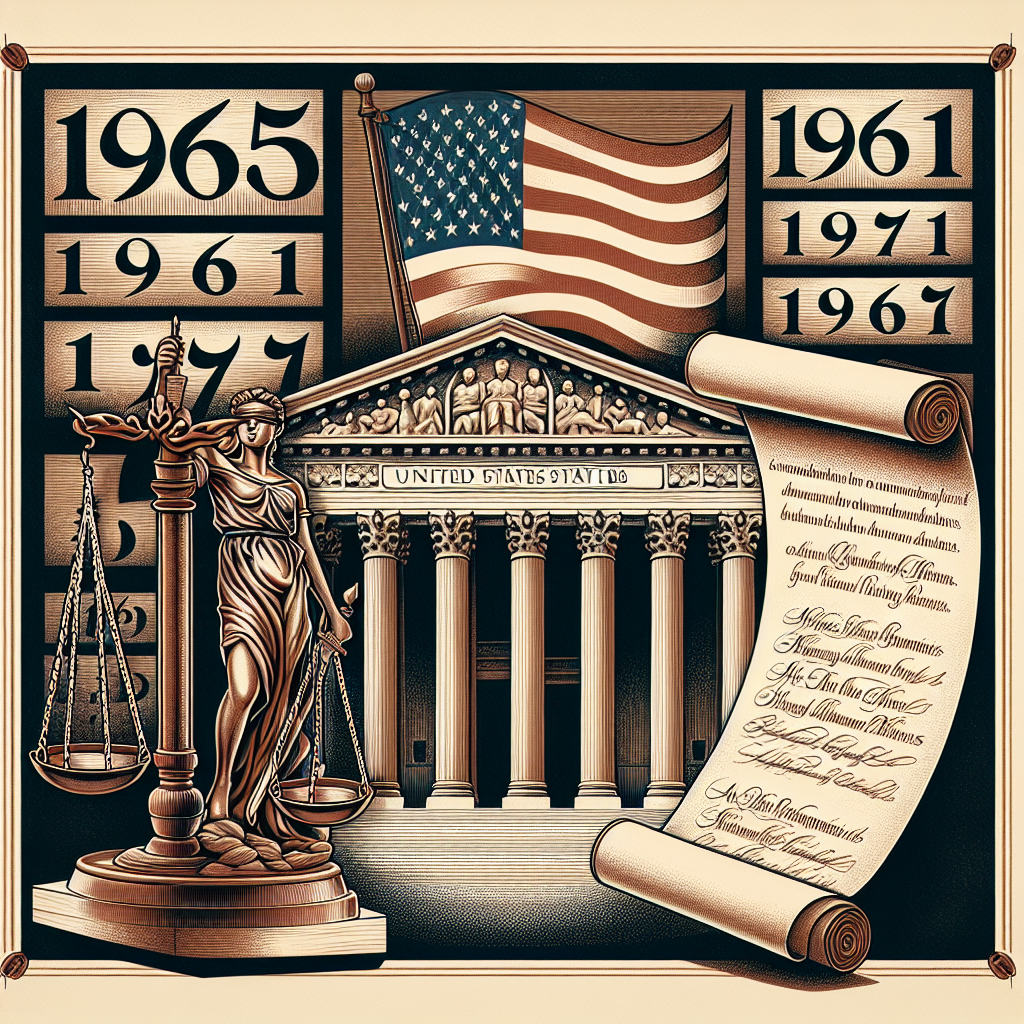
The Voting Rights Act of 1965 was one of the most consequential pieces of legislation designed to protect the voting rights of all Americans, particularly African Americans in the Southern states. This landmark act outlawed discriminatory voting practices that had been employed to disenfranchise Black voters, including literacy tests and poll taxes. Subsequent Supreme Court cases, including Katzenbach v. Morgan (1966), which upheld the provisions of the act against state challenge, illustrated the Act’s legal efficacy in fostering greater voter inclusion.
Despite its success, the Voting Rights Act has faced numerous legal challenges over the years, with the Supreme Court often being at the forefront of these debates. The aforementioned Shelby County v. Holder ruling represented a significant moment in the erosion of federal protections originally outlined by the Voting Rights Act. The decision led to a proliferation of state-level laws that critics argue sought to suppress voter turnout among historically marginalized populations, causing alarm within civil rights organizations and advocacy groups committed to ensuring fair access to the ballot.
In response to new voter suppression tactics, grassroots movements have mobilized to advocate for restoring voting rights protections at both the state and federal levels. Many advocates emphasize the need for a robust federal response to protect voter access, including calls to reinstate certain provisions of the Voting Rights Act that would ensure meaningful oversight of voting laws at the state level. The ongoing debate surrounding the act showcases the complexities of maintaining equitable voter access in an ever-evolving legal and political environment.
Looking Ahead: The Future of Voter Rights in America
As of 2025, the future of voter rights in America remains uncertain, characterized by ongoing legal battles and a shifting political landscape. With voter suppression tactics on the rise, alongside challenges to established protections, it is clear that the fight for equitable access to the ballot will continue. Advocates are increasingly focusing on grassroots efforts to register voters, promote awareness about voting rights, and mobilize communities to participate in elections at all levels.
Developments in technology and social media also play a pivotal role in shaping public discourse around voter rights and access. As misinformation surrounding voting processes permeates online platforms, the need for comprehensive voter education campaigns is more vital than ever. Organizations are working to counteract misinformation by providing clear, factual resources about voting rights, registration processes, and how best to participate in civic engagement.
Thus, the necessity for ongoing judicial vigilance remains critical in safeguarding voter rights. As new cases make their way to the Supreme Court, the decisions rendered will likely have lasting implications for future generations, either protecting the fundamental right to vote or unwittingly eroding access to one of the very foundations of democracy.
Conclusion
The evolution of voter rights in America is an ongoing saga marked by monumental Supreme Court decisions that have shaped the legal landscape of voting. From landmark cases like Brown v. Board of Education and Harper v. Virginia Board of Elections to contemporary challenges following rulings related to the Voting Rights Act, the issues surrounding voter disenfranchisement and access remain as pertinent today as ever. As America progresses toward a more inclusive democracy, the interplay between state laws, federal protections, and judicial rulings will play an essential role in determining the future of voting rights.
FAQs
What is the most significant Supreme Court case regarding voter rights?
*Many consider *Shelby County v. Holder* (2013) to be one of the most significant cases as it severely weakened the protections of the Voting Rights Act of 1965.*
How did the Voting Rights Act of 1965 influence voter rights?
*The Voting Rights Act of 1965 outlawed discriminatory voting practices that disenfranchised racial minorities, significantly improving access to the ballot for millions of Americans.*
Why are contemporary voting rights issues important?
*Contemporary voting rights issues are critical as they directly impact citizens’ ability to participate in democracy; these laws shape who can vote and how accessible that voting process is for everyone.*
Are there current movements advocating for voter rights?
*Yes, various grassroots movements and advocacy organizations are actively working to promote voter registration, combat misinformation, and ensure equitable access to the democratic process.*
What recent rulings have influenced voter rights in 2025?
*Supreme Court cases such as *Brnovich v. Democratic National Committee* continue to influence voter rights by upholding state laws that many critics argue suppress voter turnout among minority communities.*