The Art of the Trade: Enhancing Your Fantasy Roster


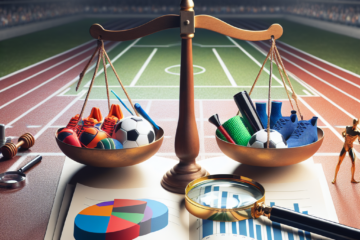
Introducing the art and strategy of trades in fantasy sports, “The Art of the Trade: Enhancing Your Fantasy Roster” is essential reading for anyone looking to elevate their game in 2025. Trades can be the cornerstone of a successful fantasy season, allowing savvy managers to reshape their rosters and make bold moves that can lead to victory. In this article, we’ll explore advanced trading strategies, psychological insights, and analytical techniques that can help you dominate your league. By the end, you will be well-equipped with the knowledge to enhance your fantasy roster effectively and assertively.
The Fundamentals of Fantasy Trades: Understanding Value
Effective trading in fantasy sports begins with a solid grasp of player value. Value isn’t merely determined by statistics; it encompasses factors such as player consistency, potential for injury, historical performance against certain opponents, and even the offensive schemes employed by their teams. In the year 2025, analytics play a more vital role than ever, with fantasy managers armed with advanced metrics like expected points, player efficiency ratings, and matchup analysis. Understanding these metrics allows managers to make data-driven decisions, significantly enhancing their chances of executing successful trades.
The evaluation of player value extends beyond numerical data. Sentiment analysis, which involves gauging the mood and opinions of fellow league members, is increasingly important. With social media and expert consensus at your fingertips, understanding how other managers view a player can provide insights into negotiating leverage. Are they undervaluing an underperforming star? Are they too high on an emerging player? By combining both statistical evaluation and sentiment analysis, you can identify potential trade targets and players to offload to improve your fantasy roster.
Negotiation Tactics: Mastering the Trade Dialogues
Negotiation is an art form, particularly in the realm of fantasy sports trades. Entering a trade conversation with a clear understanding of what you want and what you’re willing to part with is crucial. Setting clear goals for your trading strategy allows you to remain focused during discussions. For example, if you’re competing for a playoff spot, targeting players with favorable matchups or playoff schedules can lead to successful trades that yield immediate benefits.
A significant aspect of negotiation involves the psychology of the other manager. Knowing how to appeal to their interests can create win-win situations. Framing a trade around a common goal, such as both managers aiming to improve their respective positional weaknesses, can facilitate smoother negotiations. It is beneficial to approach discussions with a collaborative spirit, which may lead to concessions being made more easily, ultimately enhancing both rosters.
Timing Your Trades: Perfecting the Trade Window
Timing is critical in the dynamic landscape of fantasy sports. The trade deadline presents a unique opportunity for making significant changes to your roster, but it also requires careful consideration of both player performance and team dynamics. Injuries, player slumps, and shifting team strategies can all influence when is the right time to capitalize on a trade opportunity. For example, if a star player is injured but is expected to return, weary managers might be willing to trade them for less, thinking the risk outweighs the reward, which can be a savvy opportunity for you.
Moreover, keeping a pulse on league activity can help you identify trends. Knowing when other managers are desperate for players or when they are piling up assets can inform your timing strategy. In 2025, with the increasing speed of information transfer, monitoring player news, performance trends, and even participating in various leagues can provide advantages. An informed manager who can act quickly and decisively is likely to dominate the trade market.
Building Relationships: Networking within Your League
In the highly competitive environment of fantasy sports, fostering relationships with fellow league members can prove invaluable. Building rapport can assist in smoother trade negotiations and engender goodwill, making fellow managers more inclined to take your offers seriously. Create a positive presence in your league by keeping discussions respectful, sharing insights, and celebrating the successes of other managers.
In 2025, having a robust social presence can further bolster your networking efforts. Engage with your league through social platforms, sharing valuable tips and updates. Your visibility can help reinforce your expertise and confidence, adding a psychological edge during negotiations. Being approachable encourages open dialogue, allowing you to express interest in potential trades without coming across as overly aggressive or desperate.
Leveraging Data and Analytics: Tools for Decision-Making
As we step into 2025, the landscape of fantasy sports has evolved with sophisticated tools and platforms that offer in-depth analytics and statistical insights. Utilizing these platforms can significantly enhance your trading strategy. Websites and tools now provide real-time player stats, advanced metrics, and historical performance data that inform your decisions. For instance, tools like fantasy point projections and comparison metrics can aid in assessing which players you should target based on your team’s needs and composition.
Additionally, embracing machine-learning algorithms that predict player performance based on various factors – injury reports, weather conditions, and matchup histories – can provide a competitive edge. By using these analytics, you can prepare counterarguments for your trades and confidently defend your position during negotiations. The more informed you are, the more likely you are to sway other managers to your vision of a trade.
Common Pitfalls in Fantasy Trades: Avoiding Mistakes
Despite the rich opportunities presented through trading, certain pitfalls can lead to less favorable outcomes. One common mistake is overvaluing or undervaluing players based on biases or recent performances. Don’t allow emotional attachment to cloud your judgment; always refer back to hard data when making trade offers. Assess a player’s long-term potential rather than chasing the latest hot streak, as fantasy seasons can be unpredictable.
Another frequent misstep is failing to consider the long-term implications of trades. Short-term gains might seem appealing, but they can leave your roster shortchanged down the line. Always have a forward-looking approach to trades; consider how any deal might affect your lineup beyond just current performances. For instance, if you trade away a top-tier player for a collection of mid-tier players, ensure that those players provide the needed depth and reliability throughout the season.
In navigating trades, effective communication is crucial, but don’t fall into the trap of over-communication. Sending incessant trade proposals can overwhelm potential trading partners and may lead to friction in relationships. It is essential to strike a balance between being proactive and respectful, ensuring that you leave avenues of negotiation open without pushing too hard.
### Conclusion
Mastering the art of trades in fantasy sports is integral to enhancing your roster and achieving success in your league. By understanding player value, honing your negotiation skills, timing your trades effectively, building positive relationships, leveraging data, and avoiding common pitfalls, you can position yourself as a formidable contender. As we move through 2025, embrace the intricacies of trade dynamics and make informed, strategic decisions that improve your chances of fantasy glory.
### FAQs Section
What are some key indicators of player value in fantasy trades?
Player value can be gauged through both statistical performance metrics, such as points per game, and external factors like matchups, injuries, and coaching strategy. Advanced analytics can further refine these assessments.
How can I improve my negotiation skills for fantasy trades?
Improving negotiation skills involves active listening, understanding the interests of the other party, and practicing effective communication. Framing discussions around common goals can also enhance relatability.
Should I focus on immediate gains or long-term strategy in trades?
A balanced approach is ideal; consider both immediate needs and long-term implications when evaluating trades. Avoid making impulsive deals based solely on short-term performances.
How can I stay informed about trading opportunities throughout the season?
Regularly monitor player news, injuries, performance trends, and engage with experts and fellow league members through social media and fantasy sports analysis platforms. This proactive approach will keep you ahead of potential opportunities.
By understanding and implementing these strategies, you can enhance your fantasy roster effectively, making you a savvy trader in your league.