The Evolution of Debate Formats in U.S. Politics

The Evolution of Debate Formats in U.S. Politics
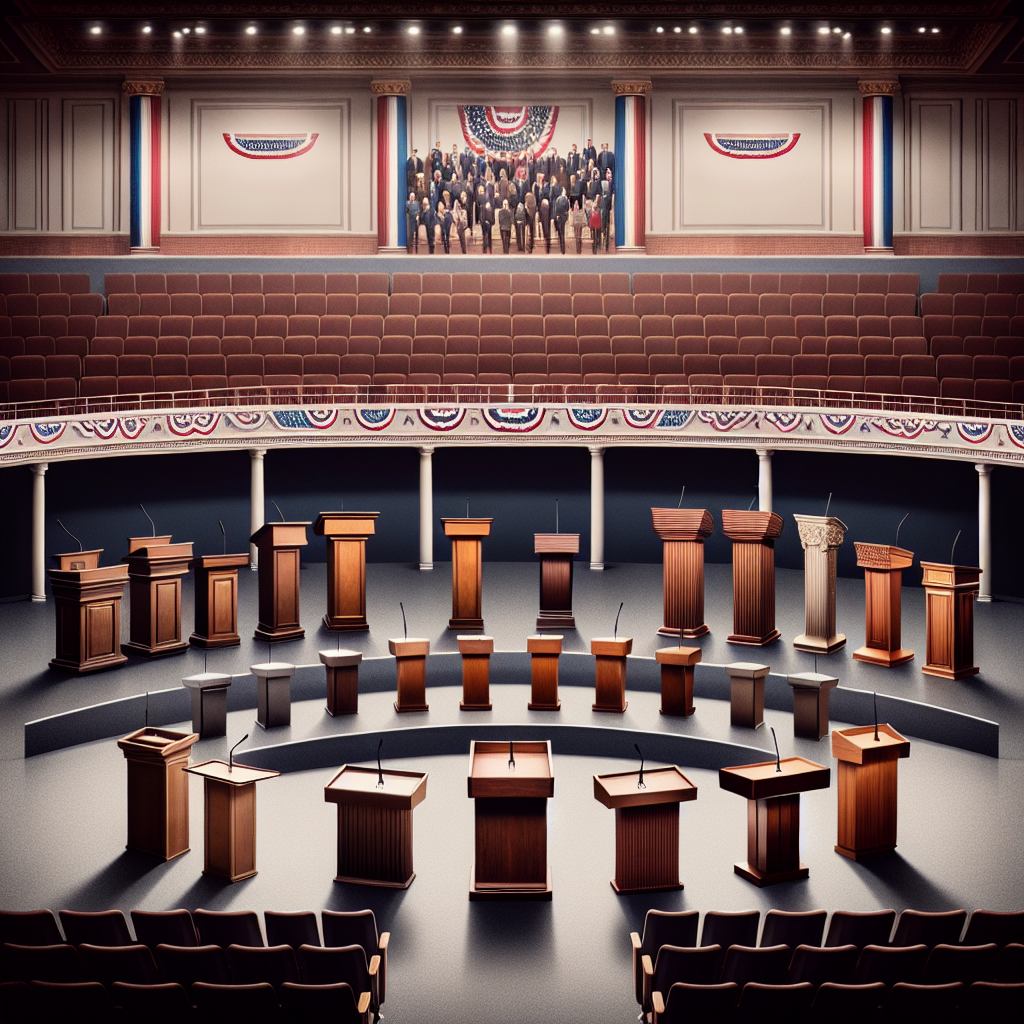
In the landscape of U.S. politics, debate formats have undergone significant transformations that reflect broader societal changes, technological advancements, and shifting media landscapes. As we stand in 2025, the evolution of debate formats illustrates how candidates communicate their platforms, engage with the electorate, and navigate the complexities of modern political discourse. This article delves into the historical progression of debate formats, their impact on political communication, and the future they may hold.
Historical Origins of Political Debates in the U.S.
The roots of political debates in the United States can be traced back to the early 19th century. While the actual formality of debates as we understand them today began around the 1960s, the inception of public discussions of political opinions dates to the Federalist Papers and the political pamphlets of the time. These early forms of debate set the stage for the later, more structured face-offs that included well-known candidates and more defined formats. The Lincoln-Douglas debates of 1858 exemplified this early evolution, wherein the proceedings consisted of lengthy speeches and rebuttals, focusing heavily on substantive policy issues like slavery and states’ rights.
As the 20th century approached, debates became a more regular aspect of U.S. political life, culminating in the first-ever televised presidential debate between John F. Kennedy and Richard Nixon in 1960. This landmark event signified a turning point, showcasing the importance of not only the candidates’ rhetorical skills but also their image and presence in front of the camera. Consequently, political debates transitioned from mere intellectual exchanges into highly choreographed performances, fundamentally transforming how political communication unfolded in America.
The Golden Age of Televised Debates
The 1960s to the 1980s are often considered the golden age of televised debates in U.S. politics. This period was marked by increasing viewership and heightened public interest, primarily due to the advent of television as a dominant medium. Televised debates became a pivotal stage for candidates, allowing them to reach millions of voters simultaneously. The impact of the Kennedy-Nixon debate was profound; it highlighted the significance of visual presentation in politics and influenced subsequent debates regarding style over substance.
As this format evolved, various structures of debates emerged, such as town halls, moderated discussions, and strict formats with timed responses enforced for each candidate. The 1984 presidential debate between Ronald Reagan and Walter Mondale exemplified the importance of style, as Reagan’s confident demeanor helped him resonate with the electorate, overshadowing substantive differences in policy. The combination of visual and verbal communication established a benchmark that influenced how candidates prepared for public appearances and sought to connect with voters.
Modern Debate Formats and Their Adaptations
Entering the 21st century, rapid technological advancements and changes in media consumption habits prompted significant alterations in debate formats. The inception of the internet and the rise of social media platforms altered candidate interaction with the public, rendering traditional formats somewhat archaic. The introduction of formats such as live-streamed debates on social media, where real-time engagement is possible, marked a shift towards more interactive and participatory formats. This paradigm allowed candidates to respond instantly to voter comments and questions, making debates feel more immediate and engaging.
Moreover, the emergence of fact-checking organizations and instant analysis during and after debates has pressured candidates to maintain accuracy and may have led to a more cautious approach in articulating policies. The debates of 2020, particularly during the COVID-19 pandemic, were marked by virtual formats with strict health protocols, demonstrating adaptability and resilience in the face of crisis. Such events propelled candidates to rely heavily on digital mediums, altering their presentations and engagement strategies during debates.
The Role of Social Media in Shaping Debate Formats
The integration of social media into political debate formats deepened the evolution of engagement strategies. In the 2024 presidential debates, platforms like Twitter, Instagram, and TikTok became pivotal in amplifying candidate messages, fostering voter interaction, and shaping public perceptions instantly. Social media allowed voters to participate more dynamically, where hashtags like #Debate2024 influenced trending topics and immediate reactions during live broadcasts. Candidates began tailoring their messages not just for traditional audiences but also for younger voters who predominantly consume content through these channels.
This shift necessitated that candidates become adept at using sound bites, memes, and other short-form content to capture attention quickly. The consequence of this adaptation was the transformation of debates into multimedia spectacles where candidates were not only judged on policy and personal charisma but also on their digital savviness. As debates become more integrated with social media dynamics, the nature of engagement and voter influence continues to evolve, raising questions about the integrity of traditional debate formats.
Challenges and Innovations in Current Debate Formats
As we look toward the future of debate formats, the landscape presents both challenges and innovative opportunities for political discourse. Issues surrounding misinformation and the rising prevalence of deepfakes have posed significant threats to the integrity of candidates’ messages and the debatable content itself. These developments may require new regulations and protocols to ensure fair representation of facts during debates. Furthermore, debates are now challenged to maintain their relevance amidst a constantly evolving media landscape.
Another innovation on the horizon is the consideration of incorporating more innovative formats, such as debates focused on direct voter engagement rather than strictly controlled stages. The 2024 election season saw experimental formats like “micro-debates” where candidates interacted with small groups of voters in intimate settings. These formats allow for deeper connections with constituents but also raise questions about accessibility and representation on broader issues within the populace.
In recognition of these challenges and innovations, debate organizers are considering introducing hybrid formats that blend traditional styles with new-age technologies. For instance, allowing audience members to participate through live feeds or via social media integrations could create a truly participatory environment, enhancing the relevance and impact of debates in providing a comprehensive understanding of candidate platforms.
The Future of Debate Formats in U.S. Politics
Looking ahead, the future of debate formats in U.S. politics appears to be on the brink of a radical transformation. With the ongoing rise of artificial intelligence, we may see new methods of fact-checking and real-time myth-busting during debates to maintain transparency and accountability. These developments could dramatically change how candidates prepare for debates and the types of arguments they prioritize. The potential for AI to analyze audience responses concurrently also presents exciting avenues for more responsive debate strategies from candidates.
Moreover, a balance must be struck between maintaining the seriousness of political discourse while catering to the changing preferences of younger generations. Creating formats that embrace inclusivity, such as multilingual debates or interactive platforms where constituents ask questions directly, could enhance democratic engagement.
Ultimately, as the events of the past few years have shown us, the necessity for adaptability and innovation will remain paramount. The evolution of debate formats in U.S. politics, therefore, reflects not only changing technology and voter expectations but also the fundamental culture of American democracy itself.
Conclusion
In conclusion, the evolution of debate formats in U.S. politics illustrates a fascinating blend of history, technological advancement, and changing societal norms. From the early days of Lincoln and Douglas to the social media-driven formats of 2024, debates have morphed into multifaceted platforms for communication and engagement. The challenges posed by misinformation and the rapid pace of technological change require innovative thinking to maintain the integrity and relevance of political discourse. As we look to the future, it is clear that the ability of debate formats to evolve will greatly shape the political landscape and the democratic processes that define the nation.
FAQs
What are the key historical debates that shaped U.S. political discourse?
Key historical debates include the Lincoln-Douglas debates of 1858, the Kennedy-Nixon debate of 1960, and the Reagan-Mondale debates in 1984. These debates highlighted the vital interplay of substance and style and their influence on electoral outcomes.
How has technology influenced modern debate formats?
Technology has transformed debate formats by incorporating social media, live-streaming, and real-time engagement. These innovations enable candidates to interact more dynamically with voters and offer new avenues for participation.
What might the future of political debates look like?
The future of political debates may include advancements like AI-facilitated fact-checking, hybrid formats combining traditional and interactive elements, and a greater focus on direct voter engagement to foster inclusivity and relevance in political discourse.