
Introduction
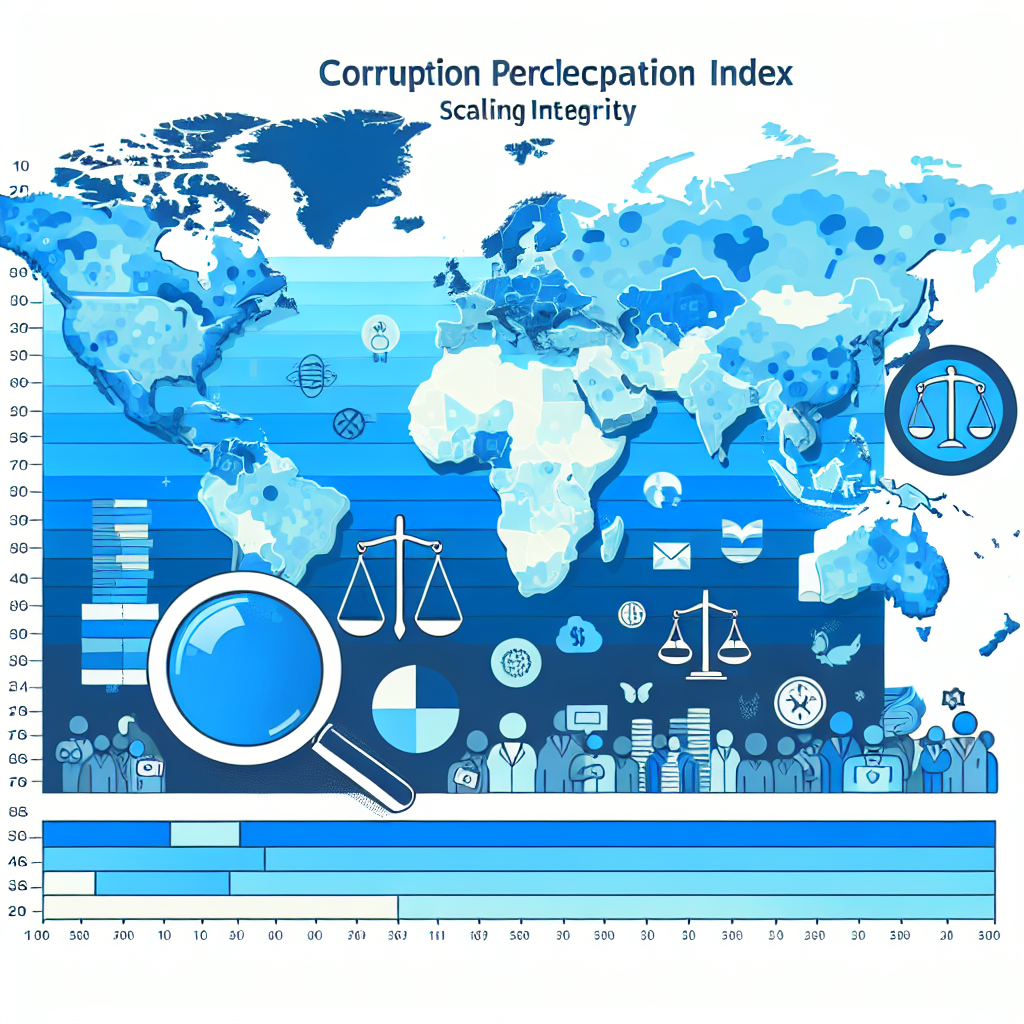
Corruption remains a critical global issue, impeding development and undermining democratic institutions across the world. One of the most comprehensive tools developed to gauge the level of corruption is the Corruption Perception Index (CPI). Created by Transparency International, the CPI serves as a beacon of accountability, providing insights into how various nations tackle corruption. In this article, we will explore the essence of the Corruption Perception Index, its methodology, implications for countries worldwide, and its evolution in the rapidly changing political landscape of 2025.
The Importance of the Corruption Perception Index
The Corruption Perception Index holds significant importance in evaluating the integrity of governance across the globe. By offering a clear ranking of countries based on their perceived levels of corruption, the CPI enables citizens, businesses, and policy makers to understand how corruption influences social, economic, and political landscapes. It articulates the commitment of each nation to combat corruption by promoting accountability, transparency, and good governance. As of 2025, understanding the CPI is more crucial than ever, as nations continue to grapple with the impacts of the COVID-19 pandemic and global economic downturns, which often exacerbate corrupt practices.


The CPI covers a vast network of countries, drawing on multiple data sources, including expert assessments and opinion surveys. The index scores countries on a scale ranging from 0 (highly corrupt) to 100 (very clean). This scoring system allows for an easy comparison between nations, facilitating discussions around best practices in combating corruption. Furthermore, the CPI encourages governments to adopt anti-corruption measures and policies grounded in transparency, thereby cultivating a culture of integrity that benefits both citizens and the economy.
The Methodology Behind the CPI
Understanding the methodology behind the Corruption Perception Index is essential for comprehending its significance. Transparency International collects data from 13 different sources, including assessments from experts, business surveys, and public sector evaluations. This multi-faceted approach creates a more nuanced understanding of corruption that goes beyond isolated incidents, capturing broader perceptions of corrupt practices. As of 2025, improvements in the CPI methodology have allowed for increased granularity, enabling stakeholders to discern corruption patterns that were previously obscured.
In recent years, Transparency International has adapted its methodology to account for the changing dynamics of corruption in modern society. The rise of digital technologies, social media, and global interconnectedness has altered how corruption is perceived and addressed. As a response, the CPI now considers factors such as the prevalence of digital governance, whistleblower protections, and public sector integrity initiatives. This adaptability has enhanced the index’s relevance in changing socio-political contexts, making it an invaluable resource for governments, researchers, and civil society advocates around the globe.
The CPI and its Global Impact
Since its inception in 1995, the Corruption Perception Index has had a profound impact on global governance and anti-corruption initiatives. By providing a clear framework for evaluating and comparing countries, the CPI has motivated various nations to prioritize anti-corruption reforms. Governments are increasingly held accountable by civil society organizations, which leverage the CPI as a tool for advocacy and public engagement. The awareness raised by the index has led to significant reforms in numerous countries, with increased transparency in government spending, enhanced legal frameworks for accountability, and more robust anti-corruption agencies.
In 2025, as countries recover from the socio-economic toll of the COVID-19 pandemic, the emphasis on corruption has intensified. Nations ranked poorly on the CPI face increased pressure from international organizations and domestic stakeholders to remediate corrupt practices. As a consequence, platforms that encourage multi-stakeholder collaborations have emerged, fostering partnerships among government, business, and civil society to combat corruption more effectively. The global conversation around integrity and accountability has gained momentum, paving the way for a sustained commitment to anti-corruption efforts.
Moreover, the CPI’s ability to influence foreign investments cannot be underestimated. Investors are often deterred by high corruption levels, choosing instead to allocate their resources to countries with a better CPI score. In 2025, multinational corporations are increasingly integrating CPI data into their risk assessment models, recognizing that a transparent and accountable governance system correlates with sustainable business growth. Consequently, countries that prioritize anti-corruption measures not only enhance public trust but also create an attractive environment for both local and foreign investments.
<h2:Challenges in Addressing Corruption
Despite the Corruption Perception Index’s efforts to stimulate global anti-corruption initiatives, multiple challenges persist in addressing corruption. One major hurdle is the varying definitions and perceptions of corruption across different cultures and political systems. A practice that may be viewed as corrupt in one nation could be normalized in another. This discrepancy can lead to misunderstandings and skepticism regarding the CPI’s findings, making it difficult to unify the global message against corruption. As nations strive to align their anti-corruption frameworks, cultural sensitivity becomes pivotal in fostering cooperation and understanding.
In addition, the increasing sophistication of corrupt practices, particularly in the digital age, poses further challenges. Corruption has evolved with technology, leading to new forms of bribery, embezzlement, and financial crime. As of 2025, cyber corruption and the use of cryptocurrencies to obscure illicit activities highlight the urgent need for updated tools and methodologies to counter these evolving threats. The CPI’s methodology must continuously adapt to these realities, ensuring that it remains relevant and offers accurate reflections of the current state of corruption globally.
Finally, the political will to address corruption varies significantly among nations, often influenced by the existing power dynamics within a country. Incumbent leaders may resist anti-corruption measures that threaten their power or economic interests, leading to stagnation in reform efforts. The international community plays a crucial role in exerting pressure for accountability, but this influence must be carefully strategized to avoid backlash or counterproductive outcomes. Continued advocacy, public awareness campaigns, and engagement with civil society are necessary to catalyze change in such challenging political landscapes.
Future Outlook for the Corruption Perception Index
Looking ahead, the Corruption Perception Index is likely to evolve in response to emerging trends and global challenges. As of 2025, Transparency International has been exploring innovative methodologies that leverage artificial intelligence and big data analytics to enhance the accuracy of the Index. This shift aims to incorporate real-time data, enabling a more dynamic understanding of corruption trends and perceptions across nations. The utilization of advanced technologies could also democratize access to data, allowing a wider audience to engage with and analyze corruption-related issues.
Furthermore, as global citizens increasingly demand ethical governance, there is an opportunity for the CPI to cultivate greater civic engagement. Addressing corruption requires a collective effort from governments, businesses, and non-profits. The Index can foster collaboration through public initiatives, encouraging citizens to be vigilant and active participants in holding their governments accountable. By promoting civic engagement and education, the CPI can empower communities to better understand and address local corruption issues.
Lastly, the future of the Corruption Perception Index will also hinge on its integration with broader sustainability and development frameworks. Corruption is intricately linked to issues such as poverty, inequality, and environmental challenges. As the world embraces goals for sustainable development, the CPI can serve as an essential tool for measuring the integrity of governance in support of these objectives. Strengthening anti-corruption measures will contribute to sustainable development and enhance the overall well-being of communities worldwide, setting the stage for a brighter future.
Conclusion
The Corruption Perception Index serves as a vital instrument for measuring integrity worldwide, highlighting the multifaceted nature of corruption and the diverse challenges countries face. As the index evolves to incorporate new methodologies and respond to emerging trends in governance, it remains a critical resource for understanding corruption dynamics. By fostering global accountability and advocating for reform, the CPI empowers nations to combat corruption effectively. Ultimately, the commitment to integrity and transparency will not only enhance the governance landscape but also pave the way for sustainable development efforts worldwide.
FAQs
What is the Corruption Perception Index?
The Corruption Perception Index (CPI) is a ranking of countries based on how corrupt their public sector is perceived to be, using data collected from various sources and expert assessments.
How does the CPI score countries?
Countries are scored on a scale from 0 (highly corrupt) to 100 (very clean), reflecting the perceived levels of corruption within their public sectors based on surveys and expert evaluations.
Why is the CPI important?
The CPI highlights the need for transparency and accountability in governance, influencing international relations, foreign direct investments, and driving advocacy for anti-corruption reforms.
How has the CPI evolved in recent years?
The CPI has adapted its methodology to incorporate new factors such as digital governance and public sector integrity initiatives, ensuring it reflects the current state of corruption globally.
What are the limitations of the CPI?
The CPI has limitations, including varying perceptions of corruption across cultures, the increasing sophistication of corrupt practices, and the political will in different nations to address corrupt behaviors.