The Effect of Economic Inequality on Election Outcomes
The Effect of Economic Inequality on Election Outcomes
Economic inequality has become a pressing issue worldwide, particularly in the United States, influencing not only socioeconomic status but also political engagement and electoral outcomes. As we delve deeper into the year 2025, understanding how disparities in wealth affect elections is crucial. This article explores the complex relationship between economic inequality and voting outcomes, discussing the mechanisms through which wealth disparities shape political landscapes, influence voter behavior, and ultimately determine election results.
The Mechanisms of Economic Inequality and Voting Behavior
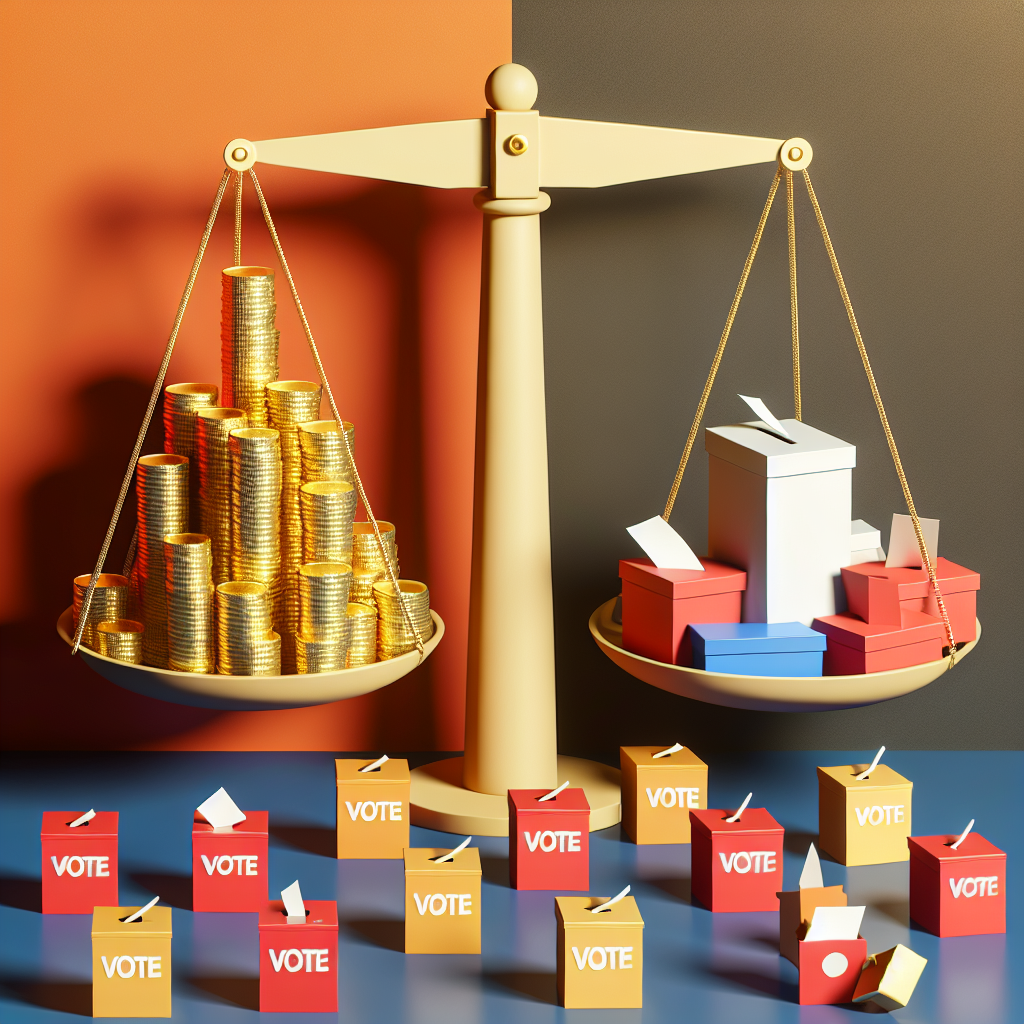
Economic inequality significantly impacts voting behavior by creating a gap in political engagement between different socioeconomic classes. Higher-income individuals often have greater access to resources, education, and networks that facilitate political participation. They are more likely to vote, engage in political discourse, and mobilize for their interests compared to lower-income individuals who may feel marginalized or disenfranchised. As a result, when elections occur, the voices of wealthier individuals disproportionately influence the outcome, perpetuating policies that favor their interests.
Moreover, economic inequality can lead to political apathy among lower-income voters, who may believe that their votes do not matter in a system heavily influenced by affluent donors and lobbying efforts. The rise of campaign financing, especially in the wake of decisions like Citizens United v. FEC, has expanded the ability of wealthy individuals and corporations to spend on political campaigns, further diminishing the influence of the average voter. Consequently, elections may reflect the preferences of a small, affluent segment of the population, exacerbating economic divides and paving the way for policies that fail to address the needs of the majority.
Campaign Strategies in an Inequitable Landscape
Candidates often tailor their campaign strategies to appeal to the interests and concerns of wealthier constituents, particularly in economically divided regions. Wealthy donors can disproportionately influence campaign funding, leading candidates to prioritize the issues that resonate with this group. This shift in focus can detract from the needs of lower-income communities, as politicians may neglect issues critical to those demographics. As candidates chase the financial backing necessary for viable campaigns, they may inadvertently deepen existing inequities in representation.
In addition, social media and online campaigning have transformed how candidates reach potential voters. While these platforms provide a low-cost option for outreach, they may also favor wealthier candidates who can invest in sophisticated advertising strategies. Targeted ads and data analytics allow affluent candidates to communicate their message more effectively, while poorer candidates often struggle to gain visibility. This dynamic creates an unlevel playing field where economic status directly influences the distribution of attention and political capital during election cycles.
The Impact of Economic Inequality on Electoral Outcomes
The interplay between economic inequality and electoral outcomes can be stark. In many high-inequality areas, the policy preferences of affluent voters can overshadow those of the lower-income population. In the 2020 and 2024 elections, for instance, we witnessed significant polarization where candidates appealing to wealthier constituencies received increased electoral support. This result leads to policy decisions that often favor the needs of the rich, such as tax cuts for higher incomes or deregulation aimed at benefiting large corporations, rather than policies addressing income support, healthcare access, or education for lower-income families.
Conversely, the 2024 elections also illustrated how grassroots movements and coalitions could emerge in response to rising economic inequality. Organizations advocating for low-income voters gained traction, and issues of worker rights, healthcare equity, and educational access became more prominent in political discourse. Some candidates successfully associated themselves with these causes, highlighting that the electoral landscape is dynamic. Economic inequality can lead to disenfranchisement, but it can also spur movements towards greater inclusivity and representation in politics, potentially transforming the electoral outcomes in favor of more equitable policies.
It’s also worth noting that economic inequality can influence the parties themselves. As income disparities widen, political parties may increasingly align themselves with either affluent or working-class constituents. This alignment reshapes their platforms and policies, which can further entrench existing inequalities. For example, the Democratic Party has historically aimed to serve working-class interests, but economic pressures have led some factions to prioritize alignment with wealthier donors, consequently complicating their relationship with the very base they need to mobilize effectively.
The Role of Media and Public Perceptions
Media plays a pivotal role in shaping public perceptions of candidates and their policies, especially concerning economic inequality. Coverage of candidates often reflects the interests and biases of their economic supporters, which can skew public understanding of an election’s stakes. Wealthy individuals or organizations with access to significant media resources can dictate the narrative surrounding economic issues, portraying themselves as legitimate representatives of public interest despite the realities of large income disparities.
Furthermore, the framing of economic issues within the media can influence voter behavior significantly. For instance, portraying economic relief programs as wasteful or beneficial only to the poor can deter support for such initiatives. In a 2024 survey, it was revealed that media narratives emphasizing the burden of social welfare programs on taxpayers significantly affected voter attitudes, aligning them more toward candidates advocating for cuts to these programs. Therefore, the media landscape’s framing around economic inequality can shape and influence electoral outcomes, focusing public perception on certain narratives while sidelining others that may promote equality.
Grassroots Movements and Their Influence on Elections
Grassroots movements have emerged as powerful forces within political landscapes, especially in the wake of rising economic inequality. As citizens become increasingly aware of disparities in wealth and opportunity, grassroots organizations have mobilized to advocate for change. These movements represent a collective response to the inadequacies of a political system perceived as increasingly disconnected from the needs of the majority.
In 2025, we see numerous grassroots initiatives centered around economic justice, healthcare access, and affordable housing gaining momentum. Activists are leveraging social media to organize, inform, and mobilize voters, making it easier to circumvent the traditional campaign structures often dominated by wealthy interests. This shift illustrates that while economic inequality may create barriers to political engagement, it can also galvanize communities toward collective action. The ability of grassroots movements to challenge entrenched power dynamics may lead to significant electoral outcomes that reflect a more equitable set of priorities.
Moreover, grassroots movements often focus on young voters, a demographic significantly impacted by economic inequality. By addressing issues like student debt, job market instability, and climate change, these movements can sway younger voters towards candidates who resonate with their economic concerns. The result is an electoral environment where traditional metrics for success, such as endorsement from wealthy donors, can be challenged by the power of a united, informed base demanding change.
In this context, the 2024 and 2025 elections saw the emergence of previously underrepresented candidates winning seats in local and national offices, showcasing how grassroots movements can democratize political participation and realign party platforms toward more equitable policies.
Conclusion
The effect of economic inequality on election outcomes is multifaceted and complex, involving a continuous interplay between wealth, voter behavior, campaign strategies, media narratives, and grassroots movements. As political landscapes evolve, the implications of economic disparity on democracy become increasingly critical. While economic inequality can lead to disenfranchisement of certain voter groups and skew electoral outcomes in favor of affluent interests, it can also catalyze movements striving for equity and representation.
Understanding these dynamics is vital for policymakers, activists, and voters themselves as we navigate the challenges of democracy in a world marked by deepening economic divides. By recognizing the influence of economic inequality on political systems, we can work toward creating more inclusive and representative electoral processes, ultimately fostering a healthier democracy.
FAQs
How does economic inequality affect voter turnout?
Economic inequality can negatively affect voter turnout, especially among lower-income individuals who feel disenfranchised and believe their votes carry less weight. Wealthier individuals typically engage more consistently in elections due to their access to resources and motivating influences.
Are there any positive effects of economic inequality on electoral outcomes?
While economic inequality often poses challenges to equitable representation, it can also stimulate grassroots movements that advocate for change. Such movements empower previously marginalized voices and can influence candidates to address pressing economic issues.
What role does media play in shaping perceptions of economic inequality surrounding elections?
Media plays a crucial role by framing narratives around economic issues and candidates. Coverage often reflects the interests of wealthier donors and can influence voter perceptions, swaying support or opposition to candidates based on how they are portrayed in relation to economic inequality.