The Fight Against Voter Suppression: Grassroots Movements Leading the Way
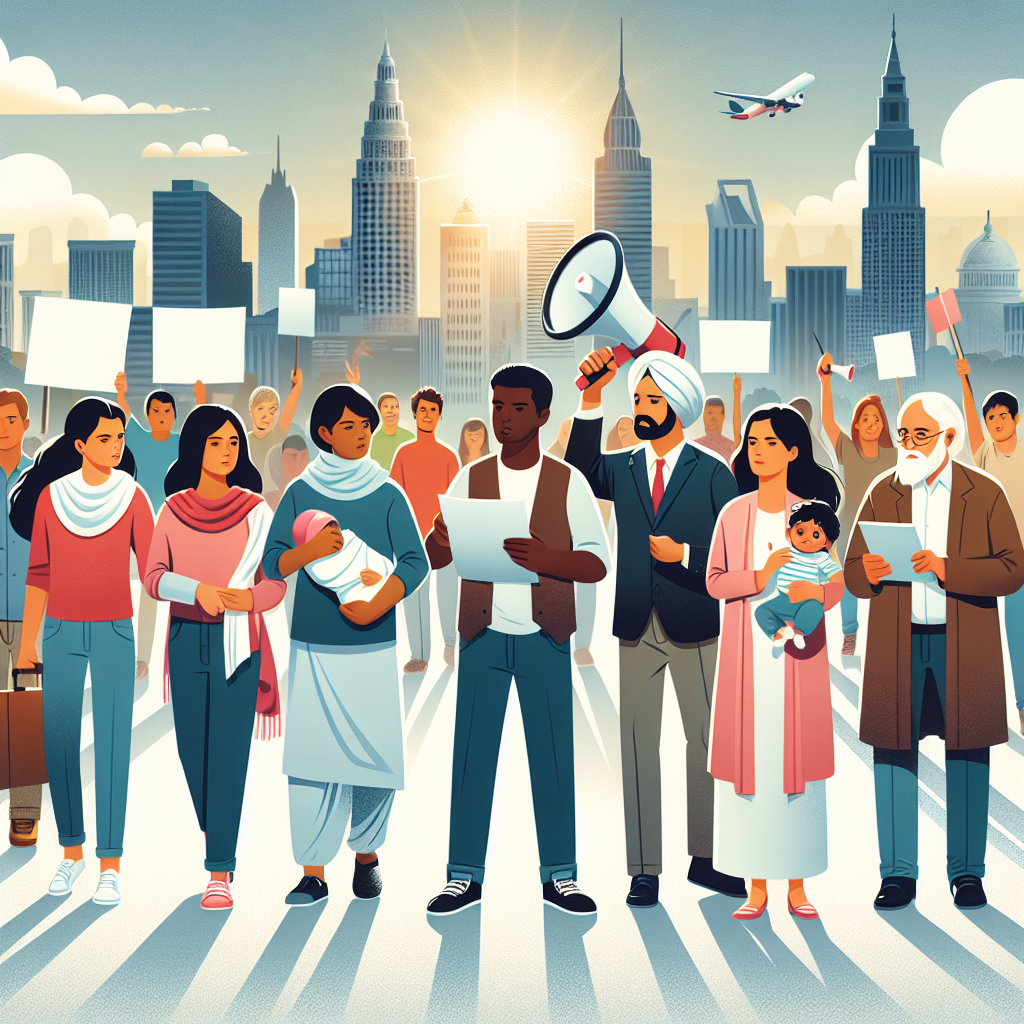
The Fight Against Voter Suppression: Grassroots Movements Leading the Way
In an era where democracy is under threat, the fight against voter suppression has gained unprecedented momentum. Grassroots movements are spearheading initiatives to ensure every eligible voter has access to the polls, leveraging community organization, social media, and advocacy to combat systemic barriers. As we navigate through 2025, it’s crucial to understand the evolution of these movements, the tactics they employ, and their significant contributions to shaping voter rights in America.
Understanding Voter Suppression in 2025
Voter suppression refers to various tactics and strategies that aim to discourage, prevent, or obstruct specific groups from voting. In 2025, the landscape of voter suppression has become increasingly multifaceted, as technology and legislation intertwine to create new challenges. Laws enabling voter ID requirements, purging of voter rolls, and reduced polling places have disproportionately impacted communities of color, low-income voters, and young people. Each of these tactics utilizes systemic inequalities to marginalize specific demographics, often under the guise of ensuring election security.
As anti-voter suppression efforts escalate, understanding the historical context is essential. Following the Voting Rights Act of 1965, significant progress was made in protecting voting rights. Sadly, subsequent legislation—most notably the 2013 Supreme Court ruling in Shelby County v. Holder—set back these protections, leading to a resurgence of discriminatory practices. In 2025, grassroots organizations reflect on these lessons, energizing new strategies rooted in community solidarity and awareness to safeguard electoral participation.
Emergence of Grassroots Movements
Grassroots movements have emerged as pivotal players in the fight against voter suppression, operating at the community level to mobilize voters and raise awareness. Organizations such as the American Civil Liberties Union (ACLU) and state-based coalitions work tirelessly to educate citizens on their voting rights and provide resources, including legal assistance, to those facing barriers. Leveraging social media platforms, these groups are able to amplify their voices, reach broader audiences, and foster engagement among younger generations who are often disillusioned with traditional politics.
These grassroots efforts have real-world impacts, often driving local and state legislative change. A notable example includes various organizations targeting states with restrictive voting laws, advocating for reforms such as automatic voter registration and mail-in voting options. Grassroots movements act as watchdogs, holding local governments accountable and responding swiftly to new challenges, creating a ripple effect that strengthens democratic participation across the board.
The Role of Technology in Mobilization
In 2025, technology plays a critical role in the fight against voter suppression. Grassroots organizations are increasingly harnessing digital tools to organize, fundraise, and engage voters. Social media platforms serve not only as a means of outreach but also as a battleground for narratives surrounding voter rights. Campaigns designed to counter misinformation about voting processes and regulations spread rapidly online, ensuring that accurate information reaches communities predisposed to disenfranchisement.
Moreover, innovative platforms are emerging to assist voters in understanding their local voting laws and in navigating the registration process. Applications that provide details on polling locations, upcoming elections, and necessary documentation have democratized access to essential information, making it easier for individuals to participate actively in the electoral process. The integration of technology with community organizing is vital, empowering grassroots movements to adapt and thrive in a landscape that is continually shifting.
Coalitions and Collaborations Amplifying the Movement
Collaboration among diverse grassroots organizations is key to pushing back against voter suppression. The formation of coalitions enhances resource sharing, amplifies messaging, and allows for more comprehensive approaches to systemic challenges. Notable examples in 2025 include partnerships between civil rights groups, labor unions, and environmental organizations, uniting their respective bases to emphasize the interconnectedness of voting rights and social justice. Such coalitions strengthen advocacy efforts and emphasize that voter suppression does not exist in a vacuum; it intersects with issues like workers’ rights, climate change, and equity.
These collaborations have also allowed grassroots organizations to work on the ground during critical election cycles, helping to coordinate voter registration drives, educational workshops, and get-out-the-vote campaigns. By addressing specific community needs, these partnerships demonstrate their effectiveness in mobilizing disenfranchised voters. For instance, targeting underserved neighborhoods with tailored outreach strategies can lead to higher voter turnout and empower residents to make their voices heard in local and state elections.
Successes and Challenges in the Voter Rights Movement
While there have been notable successes in the fight against voter suppression, significant hurdles remain. Efforts realized over recent years include the reinstatement of certain voting rights after years of advocacy, such as the expansion of early voting and the reduction of barriers faced by homeless individuals trying to register. These achievements have fueled momentum and enthusiasm among grassroots activists, showcasing the power of community-driven initiatives to enact change.
However, the landscape continues to present challenges, particularly as political landscapes shift. Legislative pushback from lawmakers intent on preserving voter suppression tactics complicates efforts to build upon successes. In many states, new bills appearing in 2025 have been designed to make voting even more challenging, attempting to curtail early voting days or limit mail-in ballot accessibility. Navigating this evolving terrain requires agility and sustained commitment from grassroots organizations that strive to protect the integrity of the electoral process.
Furthermore, amidst such challenges, the threat of misinformation looms large. Grassroots movements must remain vigilant in addressing false narratives that circulate, often aimed at dissuading voter participation. Combatting this requires ongoing education, strategic communication, and a commitment to sharing verified information widely, ensuring that all voters understand their rights and how to exercise them effectively.
Conclusion
Grassroots movements are at the forefront of the fight against voter suppression in 2025, utilizing innovative strategies, building coalitions, and adapting to technological advancements. By focusing on community-driven efforts, these organizations are not only raising awareness about voting rights but also catalyzing systemic change. Despite ongoing challenges, the resilience and determination of grassroots activists serve as a beacon of hope in ensuring that democracy remains accessible to everyone. As voters continue to be mobilized and empowered, the future looks promising for electoral participation and justice.
FAQs
What is voter suppression?
Voter suppression refers to any tactic or strategy that aims to discourage or prevent specific groups from voting. Common examples include strict voter ID laws, purging voter rolls, and reducing polling locations.
How do grassroots movements combat voter suppression?
Grassroots movements combat voter suppression by organizing local efforts to educate voters, provide resources for registration, and advocate for more inclusive voting laws. They also leverage social media to amplify their message.
Why is technology important in the fight against voter suppression?
Technology is critical as it enables grassroots organizations to reach wider audiences, combat misinformation, and provide essential information related to voting, making it easier for disenfranchised individuals to participate in elections.
What challenges do grassroots movements face?
Grassroots movements face challenges such as legislative pushback from lawmakers, the spread of misinformation, and opposition in efforts to expand voter access. Adapting to these challenges requires ongoing awareness, education, and community engagement.
How can individuals get involved in the fight against voter suppression?
Individuals can get involved by joining local grassroots organizations, participating in voter registration drives, advocating for inclusive voting legislation, and educating themselves and others about their voting rights.