The Future of Political Parties in an Age of Independents


The Future of Political Parties in an Age of Independents
In 2025, as the political landscape continues to evolve, the role of traditional political parties faces unparalleled challenges. The emergence of independent candidates and a growing disillusionment with established political organizations have led many to question the future of political parties in an age where individualism and nonpartisan movements are gaining traction. This article will explore the changing dynamics of political representation, the increasing significance of independents, and how established political parties can adapt to remain relevant in a world that seems to be moving away from traditional party structures.
The Rise of Independent Candidates
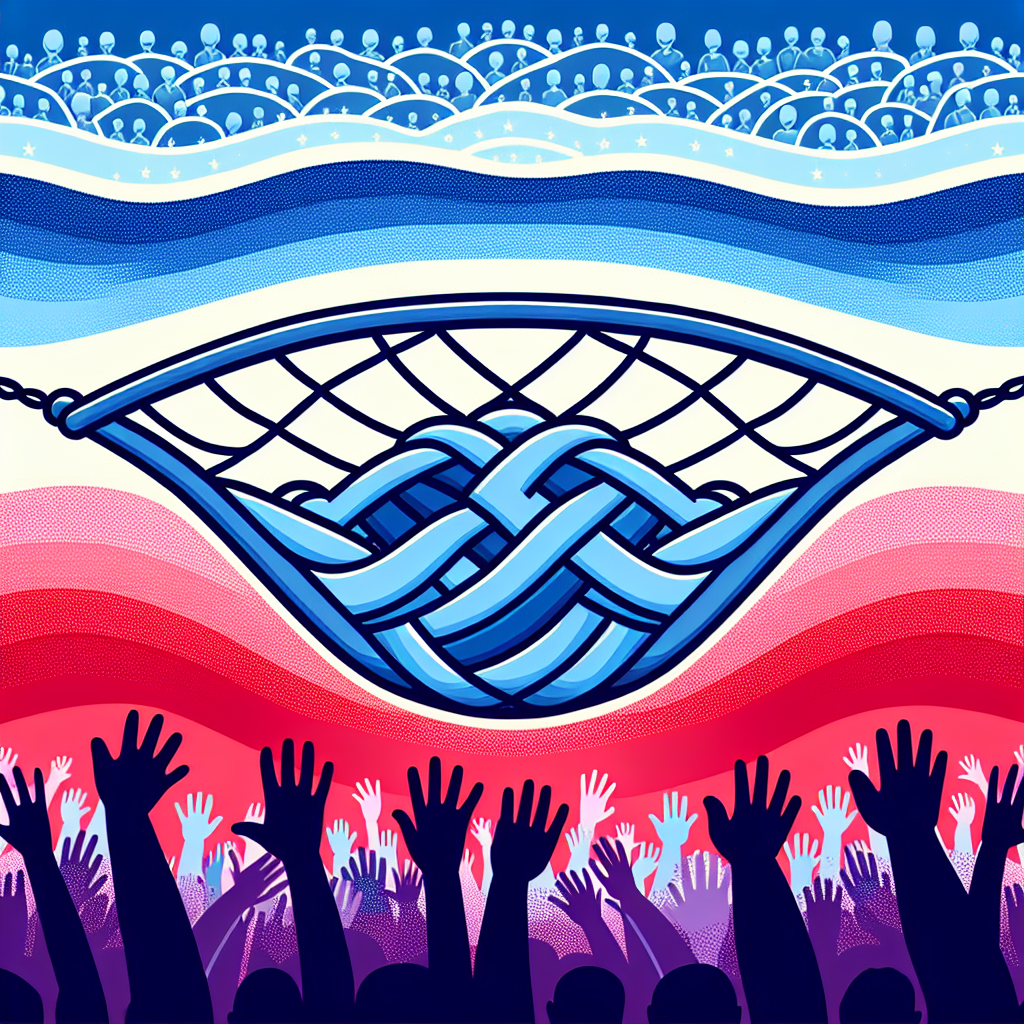
The rise of independent candidates can be attributed to a growing dissatisfaction with mainstream political parties. Many voters, particularly younger generations, are disenchanted with the perceived inefficacies and divisiveness of traditional political organizations. This sentiment has led to an increase in voter turnout for independent candidates, reflecting a significant shift in political allegiances. Individuals seeking alternatives to the binary choices of the major parties are resonating with independent candidates who are often viewed as more authentic and in touch with grassroots concerns.
In the 2024 elections, independence surged as a viable choice in various states, leading to significant wins for candidates outside traditional party lines. This success underscores a tangible demand for political choices that reflect the diverse views of the electorate. As more voters identify as independents or show willingness to support third-party candidates, political parties are forced to reconsider their strategies, positioning themselves as more inclusive and responsive to a broader spectrum of beliefs and values.
The Impact of Technology on Political Engagement
The digital age has revolutionized political engagement and has become a double-edged sword for political parties. The rise of social media platforms has democratized the way in which political messages are disseminated and consumed, with independents leveraging these platforms effectively to reach their target audiences. Candidates who can utilize technology to convey their ideological messages directly to voters, bypassing traditional media gatekeepers, enjoy a significant advantage. As seen in recent election cycles, independent candidates have harnessed platforms like TikTok and Instagram to mobilize support, especially among younger demographics who prioritize authenticity and relatability in political discourse.
Conversely, traditional parties struggle to adapt to rapid technological changes and often find themselves entrenched in outdated methods of campaigning and voter outreach. The innovations brought about by digital fundraising, grassroots organizing, and real-time engagement create opportunities for independent candidates to siphon votes from established parties. To remain relevant, political parties must integrate these new technologies into their strategies, potentially increasing collaboration with informed and tech-savvy independents to create hybrid models of engagement.
Shifting Voter Expectations and Political Accountability
In 2025, voters’ expectations have shifted dramatically; they now demand transparency, authenticity, and accountability from their political representatives. The emergence of independent candidates has highlighted these changing preferences, as many independents find success by focusing on issues rather than party loyalty. Voters are now more inclined to support candidates who prioritize integrity and practical solutions over partisan agendas. They are more focused on candidates’ records and stances on relevant issues, rather than rigid party lines, fostering a culture that values independent thought and action.
As a result, political parties must recalibrate their messaging to resonate with this new breed of electorate. They must also adopt more transparent practices to build trust. One way to do this is by encouraging intra-party diversity of thought. Political parties can engage in more open dialogues by inviting independents to participate in forums and discussions that shape party platforms. This collaborative approach can bridge the gap between partisanship and independence while promoting the accountability that today’s voters demand.
Longevity of Traditional Political Parties
Despite the growing prominence of independents, traditional political parties are not likely to vanish entirely. Historical patterns of political organization suggest that these entities adapt to survive rather than disappear. By understanding and addressing the unique challenges presented by independents, political parties can forge strategies that not only retain their existing base but also attract those disenchanted with conventional political participation. For instance, updating party platforms to better address contemporary issues like climate change, income inequality, and social justice aligns with the values of many independents, thereby attracting broader support.
Furthermore, successful adaptation might also lie in coalition-building and fostering partnerships with independent candidates. Political parties could identify common ground to collaborate on pressing issues, thereby creating a more unified approach to governance. By forming alliances with independents, parties solidify their relevance, fortifying their stance in the political arena while meeting the expectations of the electorate.
Future Projections: A New Political Landscape
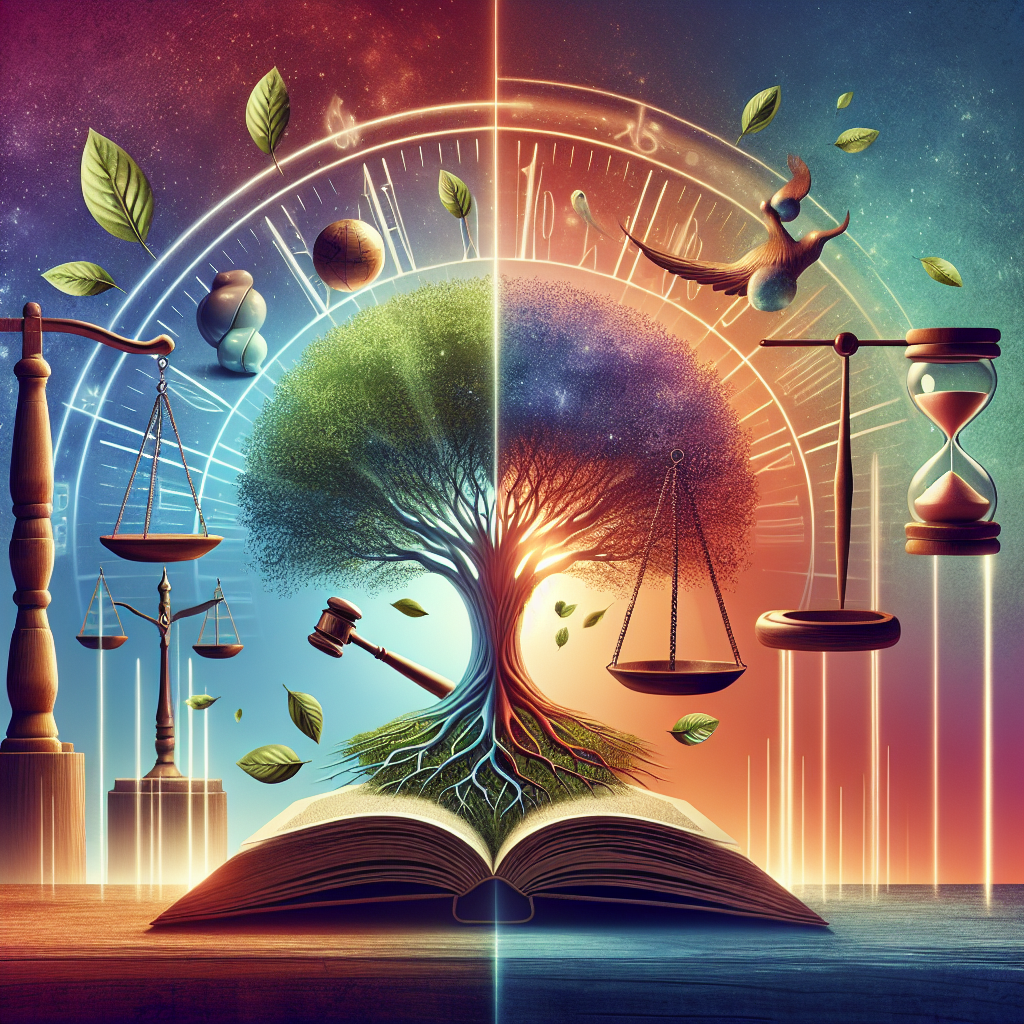
Looking ahead, the political landscape of 2025 and beyond will likely be shaped by a diverse array of leaders, ideas, and ideologies. The ongoing trend toward independence signals a potential realignment of American politics where fewer people feel constrained by party lines. This could lead to the emergence of issue-based coalitions, centrist movements, and even more radical political formations as independent candidates continue to challenge the status quo.
Political science experts predict that political parties may become platforms for facilitating dialogue among diverse viewpoints rather than strict control over party ideology. This might lead to more fluid coalition government structures where party affiliations are less critical than collaborative governance based on shared principles and goals. This new political landscape will require tremendous flexibility and adaptability from established parties.
Ultimately, the future of political parties will hinge on their ability to engage with the changing dynamics of public opinion and the rise of independents. The fundamental challenge remains: can traditional political parties embrace this evolution and transform themselves from within? As voters continue to demonstrate their desire for representation that reflects their values, those who get left behind may find themselves increasingly sidelined in a political world that prizes independence and innovative ideation.
Conclusion
As we progress further into 2025, the reshaping of political landscapes is undeniable. The rise of independent candidates highlights an increasing dissatisfaction with traditional party structures and mechanisms. Political parties must take heed of the technological advancements and shifting voter expectations to remain relevant. By embracing open dialogue, fostering transparency, and collaborating with independents, traditional political organizations can secure their place in a rapidly changing political era. The future is not set in stone, and the path ahead will be shaped by the negotiations and adaptations of parties striving to meet the challenges presented by an age of independents.
FAQs
What factors are contributing to the rise of independent political candidates?
The rise of independent political candidates can be attributed to several factors, including voter dissatisfaction with traditional parties, the desire for more personalized representation, and the effectiveness of social media in amplifying their messages.
How can traditional political parties adapt to the growing influence of independents?
Traditional political parties can adapt by becoming more inclusive, prioritizing transparency, embracing digital engagement, and potentially forming coalitions with independents to address shared goals and concerns.
Are independent candidates here to stay in the political arena?
Given the trends observed in recent elections and the increasing number of voters identifying as independents, it seems likely that independent candidates will continue to play a significant role in the political landscape, pushing traditional parties toward deeper reforms.