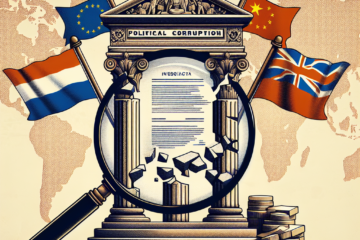
The Future of Political Reform in the 21st Century

The Future of Political Reform in the 21st Century
Political reform is a critical topic as we navigate through the 21st century, especially in the dynamic landscape of 2025. The global political arena is rapidly changing, influenced by technology, societal movements, and shifting ideologies. As we look ahead, it is essential to explore the various facets of political reform and how these changes will shape governance, participation, and citizen engagement in the near future. This article dives deep into the elements that will define the future of political reform, aiming to serve as a comprehensive guide on this crucial subject.
Understanding Political Reform: A 21st Century Perspective
Political reform encompasses a broad range of changes aimed at improving the structure and function of governance. As we progress through the 21st century, it’s clear that traditional political systems are being challenged by public demand for more transparency, representational diversity, and participatory governance. The rapid advancement of technology plays a pivotal role in this transformation, reshaping how constituents interact with their governments and how policymakers respond to the citizenry’s needs.
In 2025, we see movements that advocate for electoral reforms, including ranked-choice voting and the dissolution of gerrymandering, morphing from abstract ideas to tangible policies in various jurisdictions. These reforms aim to create a political landscape that is more representative of the electorate’s diversity, ensuring that all voices have a chance to be heard. The intersection of technology and politics has also given rise to new platforms for civic engagement, enabling more citizens to partake in the political process like never before.
The Role of Technology in Political Reform
As we delve deeper into the future of political reform, the influence of technology cannot be overstated. In 2025, advancements in artificial intelligence, big data, and blockchain technology have significantly transformed how political parties and governments engage with the public. Governments are now leveraging these technologies to improve service delivery, streamline processes, and foster a more participative democracy. For instance, AI-driven analytics allow political entities to better understand public sentiment, enabling them to tailor policies that resonate with constituents.
Moreover, the utilization of blockchain technology for voting systems has emerged as a potential game changer. By ensuring transparency and security in the electoral process, blockchain can help mitigate concerns surrounding voter fraud and improve overall trust in democratic institutions. This fusion of technology and governance is paving the way for a more informed electorate and a more accountable political landscape, fostering an environment where citizens feel empowered to influence policy-making.
Grassroots Movements and Activism: Catalysts for Change
In 2025, grassroots movements are more influential than ever in the political reform landscape. Social justice, climate change, and health equity movements are spearheading conversations around policy changes and societal norms. These movements are not limited to traditional protests and advocacy; they leverage social media platforms to galvanize support and mobilize action. The decentralized nature of these movements allows them to be nimble and adaptive, responding to political developments in real-time.
The rise of digital activism has also led to a new generation of leaders who challenge the status quo and push for substantive changes in governance. This emergence of young leaders, often from diverse backgrounds and experiences, is instrumental in shifting perspectives surrounding political representation. By prioritizing inclusivity and addressing inequities, these movements are laying the groundwork for a more just political system that reflects the values and priorities of a broader segment of the population.
Institutional Reforms: Ensuring Accountability and Transparency
Institutional reforms are essential for fostering a political environment that prioritizes accountability and transparency. In 2025, several nations are enacting measures to minimize corruption, enhance government efficiency, and restore public trust. Legislative frameworks aimed at increasing oversight and ensuring checks and balances are being adopted as part of a global trend toward more accountable governance.
One of the focal points of institutional reform is the enhancement of Freedom of Information laws. By promoting transparency, these laws empower citizens to access government data and hold officials accountable for their actions. Additionally, the establishment of independent ethics commissions has become more prevalent, providing oversight on elected officials and public servants. This commitment to integrity in public service is vital, as it not only reinforces citizens’ trust in their leaders but also creates an environment conducive to political dialogue and reform.
The Future of Political Engagement: Beyond Traditional Voting
As we look to the future, political engagement is evolving beyond traditional practices. In 2025, citizens are increasingly participating in governance through direct participatory mechanisms such as citizen assemblies, referenda, and deliberative polling. These methods allow for a more nuanced understanding of public opinion, supplementing the limitations of conventional voting systems.
Furthermore, the concept of participatory budgeting has gained traction in various regions, empowering citizens to play a direct role in financial decision-making at local government levels. This inclusivity fosters community involvement and investment in governance, leading to more innovative and localized solutions to societal issues. By creating spaces for inclusive participation, these new avenues for engagement reshape the political landscape, ensuring that governance remains responsive to the needs of the populace.
Looking Ahead: Vision for Political Reform in 2030
As we peer into the future, the trajectory of political reform appears promising yet complex. By 2030, we may see the culmination of various reform movements that enhance democratic practices, promote social equity, and leverage technology for improved governance. The evolution of political systems worldwide—fueled by citizen participation and technological innovation—could unlock new pathways for policy development and implementation.
Moreover, the emphasis on global collaboration will likely take center stage as nations confront shared challenges such as climate change, economic inequality, and geopolitical tensions. Political reform will not be an isolated process; instead, it will require a concerted effort among governments, international organizations, and civil society. Building alliances and fostering dialogue across borders will be essential for creating an inclusive approach to global governance that truly reflects the interests of all nations.
Conclusion
In conclusion, the future of political reform in the 21st century is at a pivotal juncture, characterized by the interplay of technology, grassroots activism, institutional integrity, and evolving forms of engagement. The landscape is set to transform as governments adapt to the demands of an informed and active citizenry, ensuring that they operate with transparency and accountability. While challenges remain, the ongoing momentum toward reform holds the promise of a more inclusive and responsive political system that serves the diverse needs of global populations.
FAQs
What is political reform?
Political reform refers to changes aimed at improving the operations and structures of governance, which can include electoral changes, improvements in transparency and accountability, and initiatives that promote citizen participation.
Why is technology important in political reform?
Technology plays a vital role in enhancing transparency, security, and the overall efficiency of governance. It facilitates better engagement between citizens and their governments, allowing for a more responsive political landscape.
How do grassroots movements impact political reform?
Grassroots movements serve as catalysts for political reform by raising awareness on critical issues, advocating for policy changes, and mobilizing citizens to participate in the political process, often leading to significant shifts in governance.
What are participatory budgeting and citizen assemblies?
Participatory budgeting allows citizens to directly influence how public funds are spent, while citizen assemblies are gatherings of citizens that deliberate on policy issues and make recommendations for government action, fostering greater involvement in the democratic process.
What is the vision for political reform by 2030?
The vision for political reform by 2030 includes a focus on global collaboration, enhanced democratic practices, and a commitment to social equity and inclusion, leading to more effective governance that reflects the diverse needs of the population.