The Hidden Costs of Political Corruption

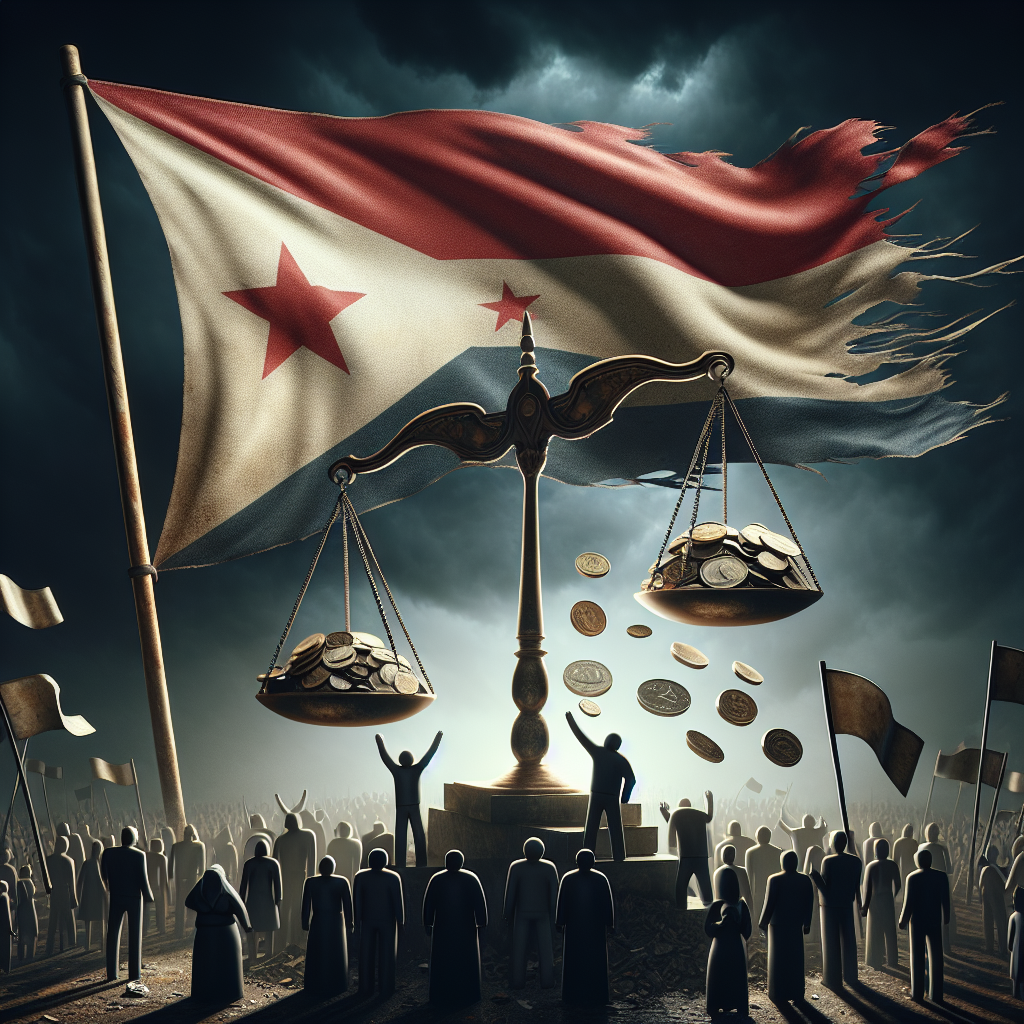
In the intricate web of governance, political corruption acts as an unseen parasite, draining resources and eroding trust in institutions. While the immediate consequences of corrupt activities are often highlighted, the hidden costs of political corruption extend far beyond mere economic loss. This article delves into the multifaceted impacts of political corruption as we navigate the global landscape of 2025, revealing how it affects societal wellbeing, economic stability, and democratic integrity.
The Economic Burden of Political Corruption
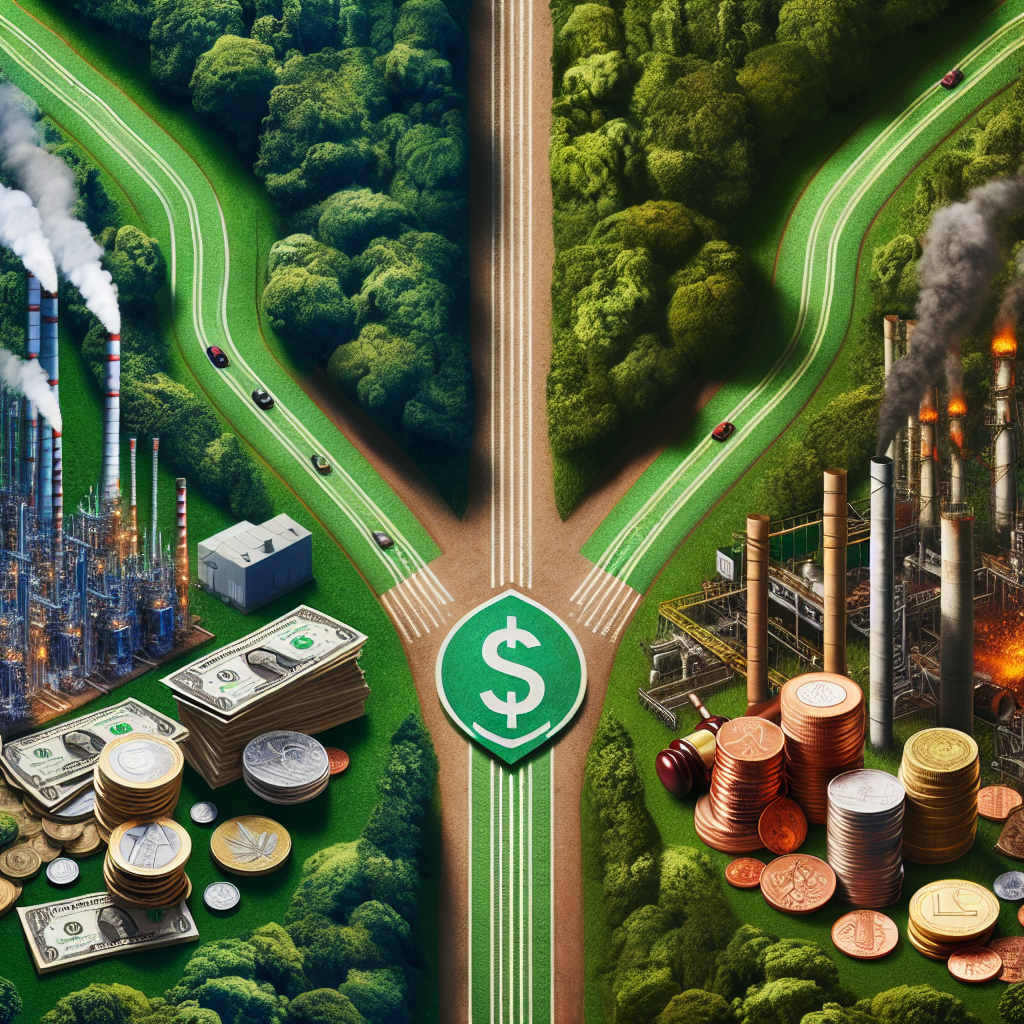
Political corruption poses significant financial burdens on national and local economies, often in ways that are not readily visible. Research indicates that corruption can lead to a loss of billions in public revenue, impacting the provision of essential services such as healthcare, education, and infrastructure. In 2025, estimates suggest that corrupt practices cost developing economies up to 5% of their GDP, a staggering figure that highlights the magnitude of the issue. This divergence of funds often results in increased taxes or borrowing by governments, which further exacerbates the economic strain on citizens.
Moreover, the environment for honest businesses becomes hostile in regions plagued by corruption. Companies that play by the rules face disadvantages against those who can afford to engage in unethical practices. This leads to a stunted economic growth as foreign investors shy away from markets with a reputation for political corruption. The lack of trust in the economy can result in capital flight, where wealthier citizens and businesses move their investments abroad, further reducing resources available for domestic growth.
Impact on Social Inequality and Disempowerment
The hidden costs of political corruption also manifest in increased social inequality. Funds that should have been allocated to public services, welfare programs, and community development are often siphoned off by corrupt officials for personal gain. As a result, marginalized communities suffer disproportionately, lacking access to necessary resources such as education and healthcare. In 2025, this trend continues to widen the gap between the rich and the poor, entrenching a cycle of poverty that is difficult to break.
On a societal level, corruption breeds disempowerment and disengagement among citizens. When people perceive their government as corrupt, they become disillusioned with the political process, leading to lower voter turnout and less civic participation. This disengagement creates a vicious cycle where corrupt leaders remain in power, operating without accountability to a politically apathetic populace. Consequently, societies become less resilient, unable to stand up against injustices and push for needed reforms.
The Erosion of Democratic Institutions
Political corruption has a direct and detrimental impact on the democratic fabric of nations. As corrupt officials prioritize their interests over those of the public, the fundamental principles of democracy—transparency, accountability, and representation—are put at risk. In 2025, many democracies grapple with the fallout of corruption scandals that have eroded public trust and led to calls for significant political reforms.
The erosion of democratic institutions is further exacerbated by the consolidation of power in the hands of a few. In corrupt systems, leaders may attempt to undermine checks and balances, weaken judicial independence, or manipulate electoral processes to secure their position. This not only stifles political competition but also creates an environment in which civil liberties are threatened, making it easier for corruption to flourish unchallenged. The absence of a strong and independent judiciary significantly hampers the fight against corruption, as those in power are often shielded from prosecution.
Moreover, the global landscape of 2025 reveals a worrying trend: as corruption becomes a normalized aspect of political life in some areas, the overall quality of governance declines. Legislation meant to deter corrupt practices may be ignored or poorly implemented, leading to a culture of impunity that discourages ethical behavior both in politics and business. This vicious cycle reinforces corruption’s stronghold on society, making it increasingly difficult to dismantle.
The Psychological Toll of Corruption on Society
Beyond economic and social impacts, the hidden costs of political corruption extend to the psychological wellbeing of citizens. Living in a corrupt society can instill a sense of helplessness and distrust among the populace. The constant exposure to corruption can lead to feelings of anxiety and resentment towards institutions that are supposed to serve the public. This psychological toll can stifle innovation and personal initiative, as individuals feel that their efforts may be futile in a system rigged against them.
In 2025, numerous studies reveal the correlation between political corruption and mental health issues among citizens. The pervasive nature of corruption can lead to increased instances of depression and stress-related illnesses, primarily among those who find themselves directly affected by corrupt practices. This state of malaise can inhibit community cohesion, as individuals become more focused on survival and less interested in collaborative efforts for change.
Furthermore, the psychological impacts of corruption extend to future generations, fostering a culture of skepticism and disengagement. Young people, witnessing the negative effects of corruption on their families and communities, may develop a nihilistic worldview that discourages participation in civic and political life. This disconnection from the democratic process poses a long-term threat to social stability and progress.
Strategies to Combat Political Corruption
Addressing the hidden costs of political corruption requires a multi-faceted approach that combines legal, social, and institutional reforms. One effective strategy is the enhancement of transparency and accountability measures within government institutions. In 2025, countries implementing strict regulations around campaign financing and public disclosures have seen significant improvements in mitigating corrupt practices. By ensuring that citizens have access to information regarding government dealings, accountability can be enforced, and the likelihood of corrupt behavior can be reduced.
Furthermore, strengthening civil society is essential in the fight against political corruption. Grassroots movements, advocacy groups, and independent media play a pivotal role in holding public officials accountable. In recent years, digital tools have empowered citizens to report corruption incidents and share information, amplifying their voices. By fostering an environment where civic engagement is encouraged, societies can cultivate a culture of integrity that actively opposes corruption.
Lastly, international cooperation is vital in addressing political corruption, particularly in a globally interconnected world. Financial institutions and governments must collaborate to track illicit financial flows and enforce anti-corruption treaties effectively. In 2025, efforts through organizations like Transparency International and the United Nations have led to significant advancements in establishing global standards to combat corruption. Collective action not only strengthens individual nations’ anti-corruption efforts but also sends a clear message that corruption will not be tolerated regardless of geographical boundaries.
In conclusion, the hidden costs of political corruption are far-reaching and continuously manifest in economic burden, social inequality, erosion of democratic values, psychological fallout, and threats to global order. As we move forward into 2025, combating the deep-rooted issues tied to political corruption requires persistent efforts from citizens, governments, and international organizations alike. Acknowledging these hidden costs and addressing them head-on is essential for building a more just, equitable, and accountable society.
FAQs
What are the most common forms of political corruption?
Common forms of political corruption include bribery, embezzlement, nepotism, and election fraud. These actions undermine public trust and divert resources meant for public good.
How does political corruption affect economic growth?
Political corruption can stifle economic growth by discouraging investment, distorting market mechanisms, and diverting public funds away from essential services and infrastructure.
What role does transparency play in combating political corruption?
Transparency is critical in combating political corruption as it allows citizens and watchdog organizations to hold public officials accountable, ensuring that government actions are subject to scrutiny.
Can political corruption impact mental health?
Yes, exposure to corruption can lead to feelings of helplessness, anxiety, and distrust, which can manifest as mental health issues among citizens, affecting overall community wellbeing.
What are some successful anti-corruption measures implemented globally?
Successful anti-corruption measures include stringent disclosure laws, campaign finance reforms, strengthening of judicial independence, and enhanced civic engagement initiatives such as whistleblower protections and anti-corruption training programs.