The Impact of Social Media on Political Mobilization

The Impact of Social Media on Political Mobilization
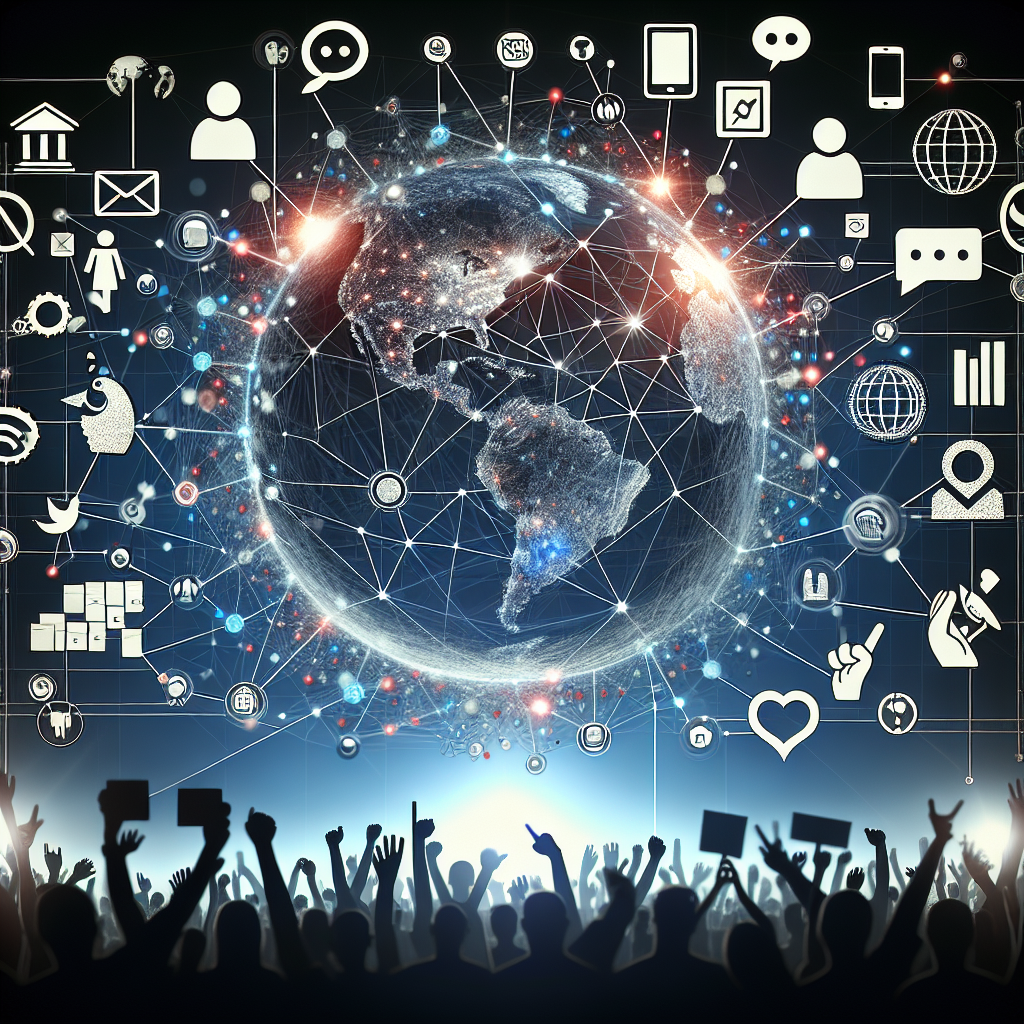
In recent years, social media has emerged as a pivotal platform for political mobilization, revolutionizing how movements are conceived and executed. As we progress through 2025, the influence of platforms like Twitter, Facebook, Instagram, and TikTok continues to reshape the political landscape. The unparalleled ability of social media to disseminate information rapidly and engage a global audience has altered traditional methods of political outreach. This article delves into the impact of social media on political mobilization, exploring its role in shaping public discourse, facilitating grassroots movements, and influencing voting behaviors.
The Evolution of Political Mobilization in the Digital Era
Political mobilization has undergone a dramatic transformation due to the rise of social media. In the early 21st century, traditional channels such as television, print media, and direct mail dominated political campaigns. However, as social media platforms gained traction, they quickly became essential tools for political actors seeking to connect with constituents and galvanize support. The events of the 2010 Arab Spring exemplified this shift, where social media served as a critical avenue for information sharing and organizing protests. Activists utilized platforms to disseminate plans, coordinate events, and articulate demands, demonstrating that social media could empower citizens in ways previously unimaginable.
By 2025, social media’s impact on political mobilization has only intensified. Political parties and candidates have adopted comprehensive digital strategies, incorporating data analytics to tailor messages to specific demographics. This approach has led to the emergence of targeted advertising campaigns, where content is crafted to resonate with particular audiences based on their online behavior. As a result, voters often encounter highly curated messages designed to sway public opinion or encourage civic engagement, underscoring the dynamic interplay between technology and political organization.
The Role of Social Media in Grassroots Movements
Social media has played a crucial role in the rise of grassroots movements, enabling collective action and expanding civic engagement. In 2025, movements such as Climate Action and Black Lives Matter continue to harness social media to spread awareness and mobilize support. Hashtags, viral challenges, and trending topics serve as rallying cries, prompting individuals to unite under a common cause. For instance, campaigns like #FridaysForFuture have successfully engaged millions, particularly young people, in ongoing discussions about climate change, leading to substantive policy demands from political leaders.
Moreover, social media platforms facilitate the democratization of political discourse. Whereas traditional media often filters voices through editorial lines, social media allows anyone with internet access to participate in political conversations. This inclusivity has empowered marginalized communities to share their narratives and advocate for systemic change. In 2025, this remains evident as social media amplifies diverse perspectives, ensuring that a broader range of voices is heard in political debates, ultimately enriching democratic dialogue.
The Impact of Social Media on Voter Engagement and Turnout
As social media continues to evolve, its influence on voter engagement and turnout has become increasingly evident. The 2024 elections in many countries showcased how candidates leveraged social media to mobilize young voters, a demographic known for its historically low turnout rates. By using engaging video content, livestreams, and interactive posts, political campaigns effectively captured the attention of a digitally savvy electorate. This not only raised awareness about political issues but also incentivized young people to participate in the electoral process.
Furthermore, social media has catalyzed efforts to provide essential information about voting procedures. In 2025, initiatives aimed at educating voters on registration deadlines, polling locations, and voting rights have proliferated across various platforms. Organizations and activists use social media to disband misinformation regarding elections, thus fostering an informed electorate. This proactive dissemination of information has the potential to increase overall voter participation, making elections more representative of the populace.
In addition, social media’s role in creating a sense of urgency cannot be overstated. By utilizing countdowns to election day, candidates and advocacy groups instill a collective sense of importance surrounding the act of voting. This sense of urgency can directly correlate with turnout rates, illustrating just how powerful social media can be in motivating individuals to exercise their democratic rights.
The Challenges and Pitfalls of Social Media in Political Mobilization
Despite the many benefits of social media for political mobilization, it is not without challenges and pitfalls. One major concern is the spread of misinformation. The immediate nature of social media allows false information to proliferate rapidly, often outpacing fact-checking efforts. In 2025, misinformation continues to pose a significant threat to informed political discourse, leading to confusion and distrust among voters. The potential for targeted misinformation campaigns, particularly during election cycles, has raised alarm among policymakers and advocates alike, necessitating a thoughtful approach to regulation and media literacy education.
Another challenge is echo chambers and polarization. Social media algorithms are designed to prioritize content that aligns with users’ preferences, inadvertently creating bubbles where diverse viewpoints are marginalized. In such environments, users may become more entrenched in their beliefs, reducing opportunities for constructive dialogue. As the political landscape becomes increasingly polarized, the role of social media in shaping public opinion necessitates ongoing scrutiny and a commitment to fostering open conversations.
Furthermore, the commodification of social media has raised ethical concerns regarding the integrity of political mobilization. Many campaigns now rely heavily on influencer partnerships to reach target audiences, blurring the lines between genuine grassroots activism and pay-to-play politics. This trend can undermine the authenticity of movements and create skepticism among supporters, leading to a potential loss of trust in political engagement overall.
The Future of Social Media and Political Mobilization
Looking ahead, the future of social media in political mobilization holds both promise and uncertainty. As platforms continue to evolve, new technologies such as artificial intelligence and augmented reality are expected to reshape the ways in which political messages are conveyed. These advancements could facilitate more immersive and interactive experiences for potential voters, further blurring the lines between traditional campaign methods and digital innovation.
Moreover, the rise of decentralized social networks presents an intriguing alternative to mainstream platforms dominated by large corporations. These networks, which prioritize user privacy and content ownership, could empower activists and political movements in ways that promote sustainability and ethics in digital engagement. Communities built on decentralized platforms have the potential to challenge existing power structures and democratize political discourse, giving rise to a new era of political mobilization unencumbered by corporate influence.
Additionally, as society grapples with the implications of digital addiction, mental health, and civic engagement, there will be a growing demand for responsible practices in online political mobilization. Advocates for ethical political communication will push for transparency in advertising, clear identification of sponsored content, and the promotion of civic literacy as critical components of future campaigns.
While the journey of social media in political mobilization is fraught with challenges, the adaptation and creativity exhibited by political actors and grassroots movements signify the resilience of democratic engagement in the digital age.
Conclusion
The impact of social media on political mobilization has been profound and transformative, especially as we find ourselves in 2025. Through enhanced engagement, grassroots movement amplification, and innovative voter turnout strategies, social media has reshaped how political messages are communicated and received. However, challenges such as misinformation, echo chambers, and ethical concerns present significant hurdles that require ongoing attention. As societies continue navigating the complex landscape of social media, fostering a culture of responsible digital engagement will be vital in ensuring that democracy thrives in the digital age.
FAQs
What is political mobilization?
Political mobilization refers to the process by which individuals and groups organize and motivate to engage actively in political issues, often aiming to influence decision-making or policy changes.
How has social media changed political campaigning?
Social media has transformed political campaigning by allowing candidates to reach diverse audiences, share messages quickly, engage directly with voters, and create targeted advertising campaigns based on user data.
What are some examples of social media impacting grassroots movements?
Examples include the #MeToo movement, which gained traction on social media to address sexual harassment, and the Black Lives Matter movement, which utilized platforms to organize protests and raise awareness about racial injustice.
What challenges does misinformation pose to political mobilization?
Misinformation can distort public perception, lead to mistrust among voters, and undermine informed decision-making, ultimately affecting the integrity of the electoral process.
What is the future of social media in politics?
The future of social media in politics may involve advancements in technology, the emergence of decentralized platforms, and a focus on ethical engagement practices as society adapts to digital communication’s complexities.