The Influence of Cultural Issues in Political Debates

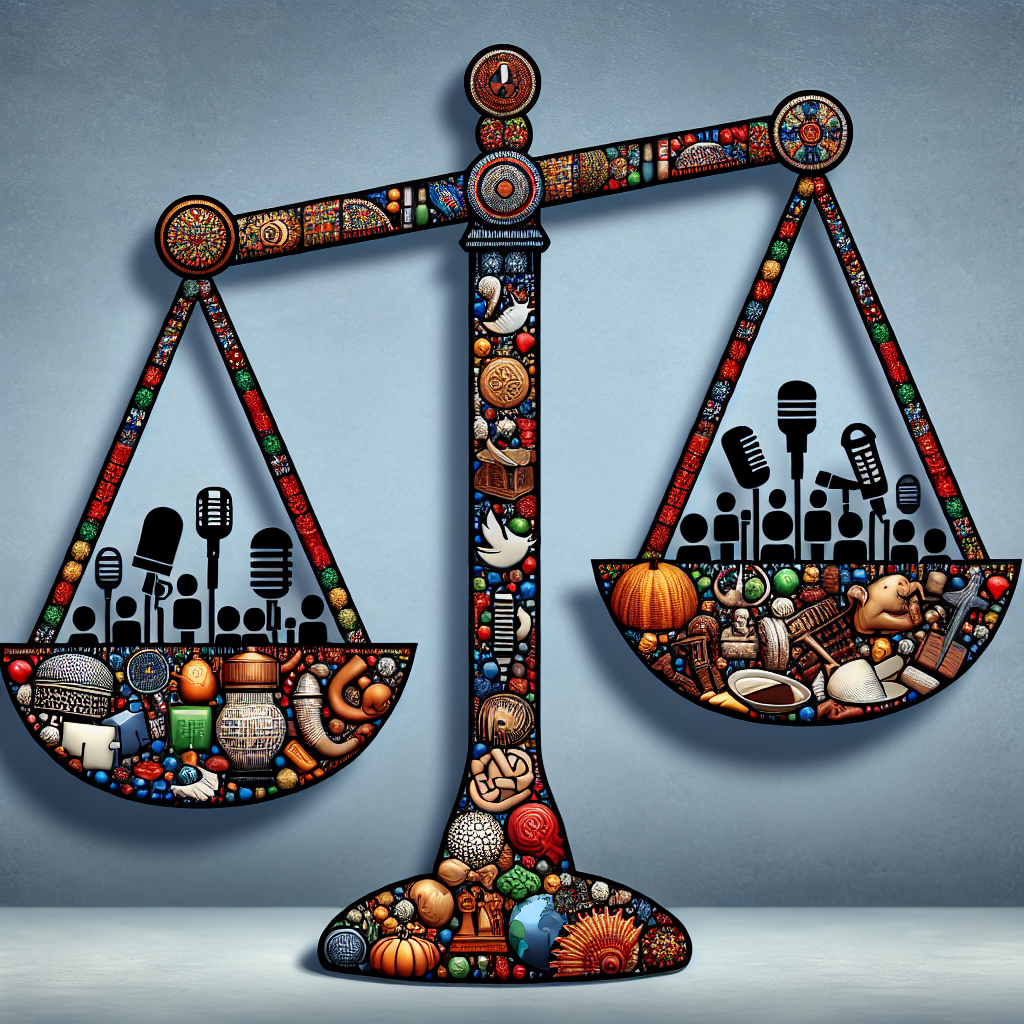
The political landscape is continuously shifting, influenced by an array of cultural issues that shape debates among policymakers and the electorate alike. As we move into the year 2025, understanding the complex intertwining of cultural matters in political debates is paramount. From discussions on race and immigration to rights related to gender and sexuality, these cultural themes are not mere backdrop noise; they play a significant role in shaping public opinion, mobilizing voters, and influencing electoral outcomes. In this article, we will explore how cultural issues serve as pivot points in political discourse and influence decision-making processes on a national level.
The Role of Identity Politics in Political Debates
Identity politics has emerged as a powerful force in contemporary political debates, compelling candidates to prioritize cultural issues that resonate with particular demographic groups. As the 2025 elections approach, political parties are increasingly identifying and engaging voters based on their cultural identities—be it race, ethnicity, gender, or sexual orientation. This focus on identity allows politicians to forge deeper connections with constituents, as they tap into shared experiences and collective aspirations, which can be potent motivators for voter turnout.
Furthermore, as social media platforms proliferate, discussions of identity politics become more visible and influential. Debates are no longer confined to traditional media; they are amplified through social networks where public sentiment can be gauged in real-time. For instance, hashtags related to movements such as Black Lives Matter or LGBTQ+ rights trend rapidly, demanding responses from political candidates. The resultant feedback loop enhances the pressure on policymakers to address these cultural concerns, often leading to the adoption of platforms that are strongly rooted in cultural issues to secure electoral success.
The Impact of Race and Ethnicity on Political Discourse
As we enter 2025, the intersection of race and political discourse remains a dominant theme. Racial inequalities in areas such as income, education, and policing continue to resonate deeply within societal frameworks and political debates. Candidates are compelled to articulate their stances on systemic racism, thereby addressing cultural grievances that have been amplified in recent years. Political parties that fail to acknowledge these realities risk alienating significant voter bases, particularly in racially diverse regions.
Moreover, the influence of culture on policy is evident in the rise of movements advocating for the rights of ethnic minorities. For instance, for Hispanic communities, issues surrounding immigration reform and the preservation of cultural heritage have become central to political candidates’ platforms. Acknowledging these cultural aspects not only fosters political engagement among marginalized groups but also highlights the urgent need for equitable policies that address the systemic challenges faced by these communities.
The Gender Gap and Its Cultural Underpinnings
In 2025, gender issues continue to catalyze significant political debates, evidenced by the persisting gender gap in voting patterns. Women, who comprise a crucial segment of the electorate, often prioritize cultural issues such as reproductive rights, workplace equality, and domestic violence. Political candidates must navigate these topics with sensitivity and insight, as their stance on these matters can be pivotal in swaying female voters. The cultural narrative surrounding women’s rights has been heightened by movements advocating for gender equity and ending violence against women, which have gained traction through grassroots activism and viral social media campaigns.
Additionally, the cultural shift towards recognizing and uplifting marginalized genders has compelled political discourse to evolve. Transgender rights, for example, are increasingly becoming a focal point in political debates, with candidates challenged to articulate their positions on legal recognition, healthcare access, and protection against discrimination. The cultural dialogue surrounding gender is complex and layered, demanding that political leaders not only address current injustices but also advocate for progressive policies that reflect the evolving understanding of gender identity in society.
The Intersection of Religion and Politics
Religion remains a formidable cultural force interwoven with political debates in 2025. Faith-driven voters often prioritize issues that align with their values, such as moral education, health care regulations, and social justice initiatives. Candidates are often tasked with appealing to specific religious demographics while negotiating the boundaries of secularism in governance. This interplay creates a vibrant, albeit contentious, dialogue that shapes policies and electoral polls alike.
Particularly in the United States, debates over the role of religion in public life are pronounced, with issues like abortion and LGBTQ+ rights at the forefront of discussions. Politicians from various ideological backgrounds navigate these waters to gain favor with influential religious communities, recognizing that cultural attitudes towards faith can significantly mobilize voters. Balancing progressive policies with traditional values can prove challenging, compelling political candidates to adopt nuanced positions that resonate with their constituents while remaining true to their principles.
The Influence of Immigration on Political Culture
As we navigate the socio-political landscape of 2025, immigration remains a polarizing issue that profoundly influences national debate. Cultural narratives surrounding immigration shape public opinion, often manifesting in fear-based rhetoric or calls for inclusion and diversity. Political candidates are compelled to address immigration policy in a way that acknowledges both the contributions of immigrants to society and the concerns of voters worried about job security and cultural integration.
Furthermore, the cultural implications of immigration are far-reaching, affecting everything from community cohesion to national identity. Debates surrounding pathways to citizenship, refugee resettlement, and border security are steeped in cultural considerations that drive public sentiment. Politicians who effectively engage with the stories and experiences of immigrant communities are likely to create more inclusive policies, enhancing civic participation and fostering a sense of belonging among all constituents.
Conclusion
As we look ahead to the political landscape in 2025, it is evident that cultural issues will continue to wield significant influence over political debates. The intersection of identity politics, race, gender, religion, and immigration creates a multifaceted arena where candidates must navigate complex narratives to connect with voters. Understanding these cultural dynamics is crucial for both politicians and citizens alike, as they shape the policies and priorities that will define future governance. By acknowledging and engaging with the cultural issues at the forefront of political discourse, we can foster a more inclusive and representative political system.
FAQs
What are cultural issues in political debates?
Cultural issues in political debates refer to topics that relate to societal values, beliefs, and identities, such as race, gender, religion, and immigration. These issues often influence public opinion and voter behavior.
How do cultural issues affect voter turnout?
Cultural issues can significantly boost voter turnout by mobilizing groups whose rights or beliefs are highlighted in political discourse. When candidates address these issues, it encourages individuals from affected communities to participate in elections.
Why is identity politics important in 2025?
Identity politics is crucial in 2025 as it reflects the diverse fabric of society. It helps candidates tailor their platforms to resonate with various demographic groups, thereby enhancing political engagement and representation.
How do cultural issues influence policy-making?
Cultural issues influence policy-making by shaping the priorities of lawmakers. When cultural sentiments are strong, elected officials may push for legislation that reflects these values to win public support and validate their constituency’s concerns.
What role does social media play in cultural issues during political debates?
Social media plays a pivotal role in amplifying cultural issues during political debates. It serves as a platform for public discourse, allowing citizens to express opinions, mobilize support, and hold politicians accountable in real-time.