The Influence of Money in Political Corruption
The Influence of Money in Political Corruption
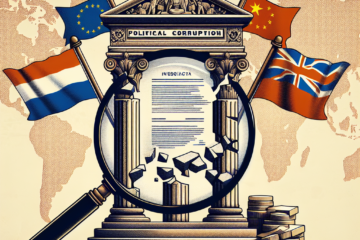
In the evolving landscape of global politics, the influence of money in political corruption remains a pressing concern. As we navigate through the complexities of governance in 2025, the intertwining of financial resources and political power has become more pronounced than ever. This article delves into the myriad ways that money molds political behavior, the mechanisms through which corruption manifests, and the potential solutions that can mitigate its impact on democratic institutions.
The Historical Context of Money and Political Corruption
The relationship between wealth and political power is neither new nor surprising. Historically, affluent individuals and corporations have wielded significant influence over government decisions, illustrating a correlation between financial resources and political favoritism. From the lavish expenditures of political campaigns in ancient Greece to the funding wars of the American Civil War, the intertwining of money and politics has shaped societies for centuries. The rise of lobbyists, special interest groups, and campaign donations in the modern era has compounded this issue, creating an intricate web of allegiances that often prioritizes financial gain over the public good.
In recent years, the accessibility of political funding has intensified the problem of corruption. Super PACs (Political Action Committees) and 501(c)(4) organizations have emerged as key players, exploiting loopholes in campaign finance laws to inject vast sums of money into elections. This influx of cash not only skews the political playing field but also fosters an environment where elected officials may feel beholden to their wealthy donors. Lobbyists representing powerful industries can sway legislation, and their financial backing can create a cycle of corruption that is difficult to break.
The Mechanisms of Political Corruption
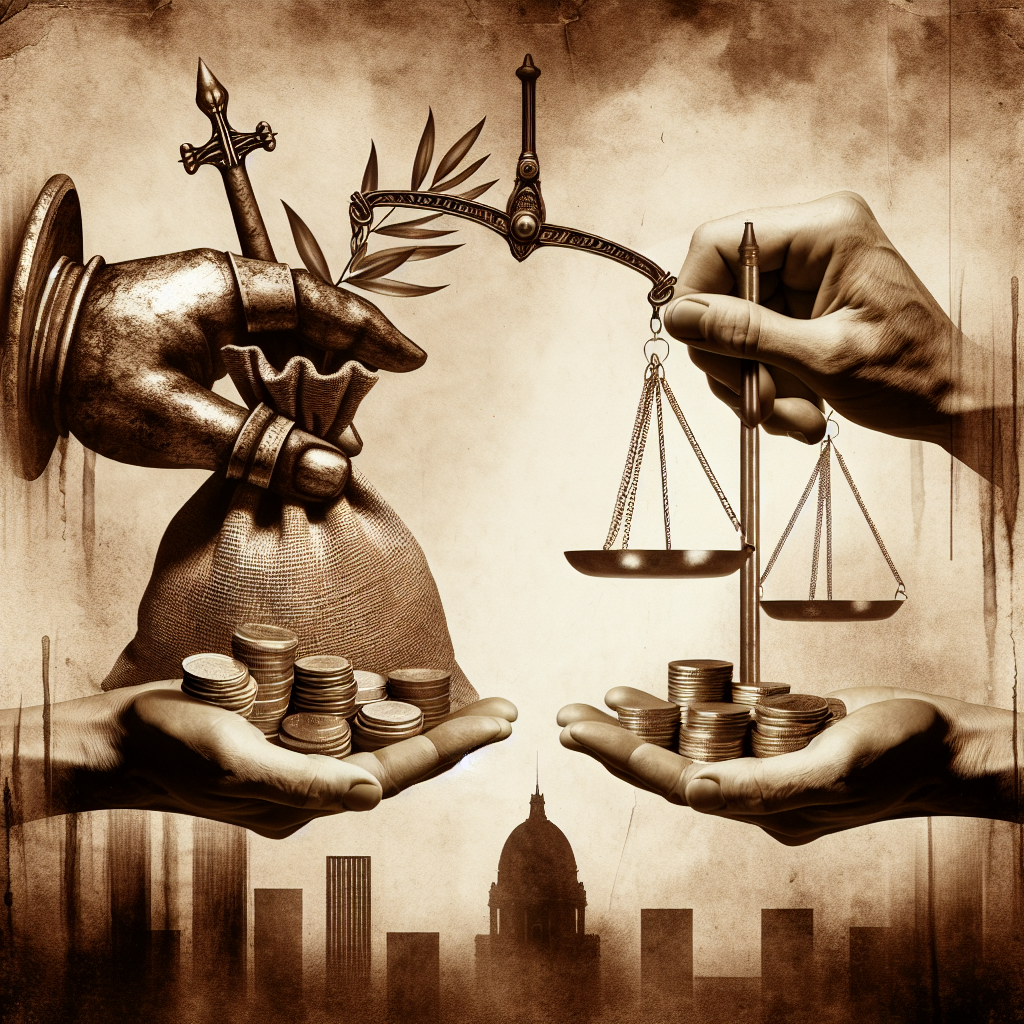
Political corruption takes many forms, including bribery, embezzlement, and nepotism, each fueled by financial resources. Bribery remains one of the most overt manifestations of this issue, whereby officials accept monetary incentives to favor certain contracts, permits, or policies. This illicit exchange undermines the trust that citizens place in their government, ultimately eroding the foundations of democracy. The 2025 bribery scandals in several countries highlight how systemic corruption perpetuates inequality and injustice, with wealth determining who influences policy.
Moreover, embezzlement schemes can drain public funds, diverting resources intended for essential services into the pockets of corrupt officials. In recent investigations, auditors have uncovered embezzlement in various sectors, including healthcare and education, leading to increased public outcry and demands for strict accountability. Such acts not only waste taxpayer dollars but also diminish public trust and hinder future investment in crucial infrastructure.
The Role of Technology in Political Corruption
In 2025, technology plays a dual role in the landscape of political corruption. On one hand, digital platforms have enabled greater transparency and accountability, potentially curbing corrupt practices. Crowdsourcing apps, blockchain technology for tracking campaign contributions, and whistleblower platforms allow citizens to expose irregularities and influence political discourse. Social media has become a tool for activists to raise awareness about corruption and demand change, fostering a culture of civic engagement and vigilance.
Conversely, technology can also exacerbate corruption by facilitating illicit transactions and enabling the manipulation of public opinion. The sophistication of online disinformation campaigns can undermine democratic processes, while cryptocurrencies provide new avenues for laundering money and funding corrupt activities anonymously. As political actors exploit these digital tools for their gain, the challenge for regulators is to catch up and implement frameworks that safeguard integrity in governance without stifling innovation.
<h2:The Impact of Money in Political Campaigns
The financial dynamics of political campaigns are a significant factor in the influence of money on corruption. In 2025, the escalating costs of running for office have led to a situation where candidates often rely on substantial donations from corporations and wealthy individuals, creating an uneven playing field. This reliance can promote a culture where elected officials prioritize the interests of their donors over their constituencies, leading to a legislative agenda that favors corporate interests instead of public welfare.
Furthermore, the prevalence of negative campaigning financed by PACs often skews electoral outcomes, stifling authentic political discourse. As candidates focus on attacking opponents rather than articulating their policies, voters are deprived of the necessary information to make informed decisions. This branding of candidates reduces politics to a transaction, where the highest bidder can shape public perceptions, further entrenching the role of money in corruption and hazardous policymaking.
Solutions and Strategies to Combat Political Corruption
Addressing the influence of money in political corruption requires multifaceted approaches that promote transparency, accountability, and public engagement. One viable solution is campaign finance reform, which includes capping individual contributions, enhancing disclosure requirements, and public financing of campaigns. By leveling the playing field, these reforms can reduce the disproportionate influence of wealthy donors and encourage broader participation in the political process.
Additionally, strengthening regulatory agencies to monitor and enforce campaign finance laws is essential. In 2025, countries should establish independent watchdog organizations with the power to investigate corruption and enforce penalties. Empowering ethical watchdogs can deter corrupt behavior and hold those who misuse their position accountable, fostering a culture of integrity within government.
Finally, fostering civic education and public engagement can empower citizens to advocate for change. By informing voters about the dangers of corruption and the importance of their participation in democratic processes, individuals can become catalysts for reform. Community organizing and grassroots movements can mobilize citizens to demand accountability from their leaders, creating a powerful counterforce to the entrenched financial interests that seek to influence politics.
Conclusion
The influence of money in political corruption is a multifaceted issue that continues to challenge the integrity of democratic systems worldwide in 2025. Its historical roots highlight an enduring relationship that has evolved alongside technological advancements and political movements. By understanding the mechanisms through which money corrupts politics, and by implementing effective solutions, society can work toward minimizing its impact and fostering a more equitable political landscape.
FAQs
What is political corruption?
Political corruption refers to the misuse of power by government officials for personal gain, including practices like bribery, nepotism, and embezzlement.
How does money influence political corruption?
Money influences political corruption through campaign financing, enabling wealthy individuals and corporations to sway political agendas and policy decisions, often at the expense of public interest.
What measures can be taken to reduce political corruption?
Measures to reduce political corruption include campaign finance reform, strengthening regulatory oversight, promoting transparency, and enhancing civic education to engage voters effectively.
How can technology help fight political corruption?
Technology can help fight political corruption through transparency tools, such as blockchain for tracking donations and online platforms for reporting misconduct, thus fostering greater accountability.
What role do lobbyists play in political corruption?
Lobbyists often represent corporate interests and influence legislation by providing financial backing to politicians, which can lead to policy decisions favoring their clients over the public good.